it starts with a concept...
Mythica was about living the afterlife of a fallen Norse hero, leaving behind Asgard and the Halls of Odin to do battle against the fire giants. The player was but one of many such heroes brought back into the mortal world to gather human followers and defeat the rising tide of corruption devastating the many realms of the Norse pantheon. To support such an ambitious idea it was critical that we elevate the world of Norse Mythology beyond merely a Viking life simulator. We needed to bring a sense of wonder and mystery to the environments, create a vast wealth of fantastic monsters and creatures, and design several attractive avenues for players to pursue on their way to becoming a Norse God! Piece of cake.
One of the most important tools for an art director is quality concept art. Concepts should do more than just inform the production staff about what they're about to build. Great concept art inspires and provides clarity for the entire team. Remarkably, Wizards of the Coast had assembled a large group of world-class talent right in our own back yard and recently let a bunch of their staff artists go. We contracted the inimitable Sherry Floyd to help corral some of my favorites and we were off and running. Many of the folks, including Sherry, had just finished doing a marvelous job of upgrading the look of the venerable Dungeons and Dragons franchise so they were absolutely perfect for a Norse Mythology face lift.
With a strong concept team secured I was able to deeply engage with the designers (Hal Milton, Tony Iuppa, and Joel Manners) to flesh out back story, identify key elements specific to regions for establishing mood and tone, and create a visual system to differentiate roles and ranks for players. The team created hundreds of glorious concepts, with incredible pieces from the likes of Sam Wood, RK Post, John Shroades, Anthony Waters, Brian Snoddy, Greg Onychuk, Leigh Kellogg, Rob Johnson, Michael Cahill, Scott Fischer, Todd Lockwood, Anthony Waters, and Dana Knutson.
created in Odin's image, the aesir
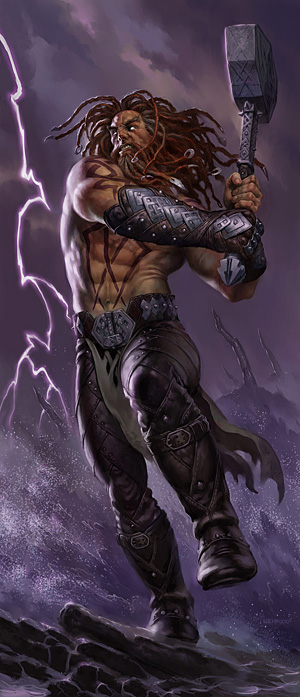
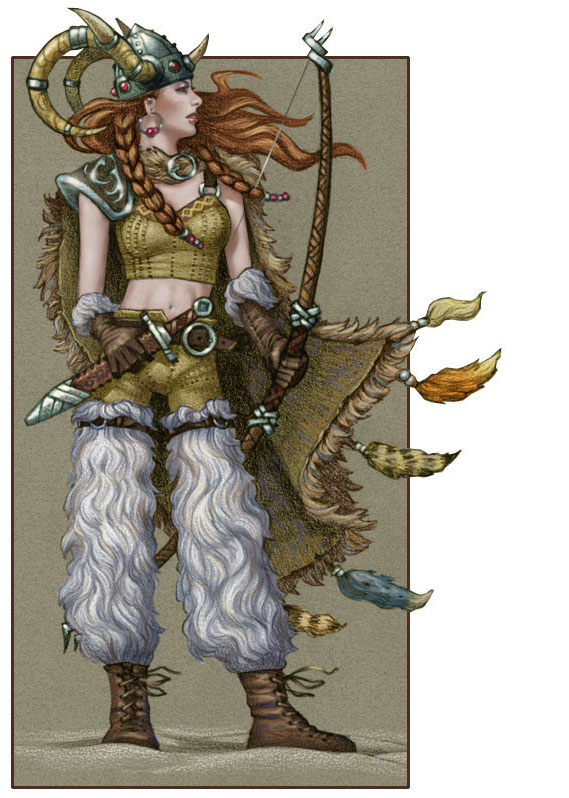
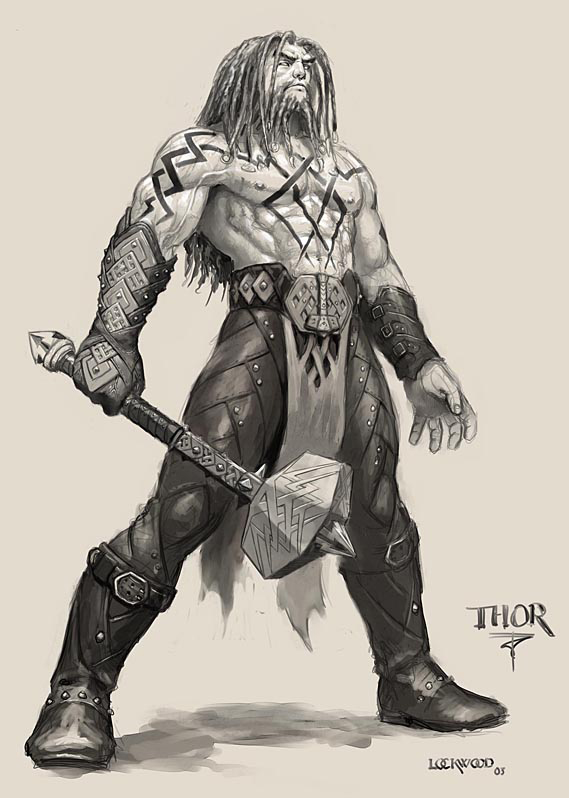
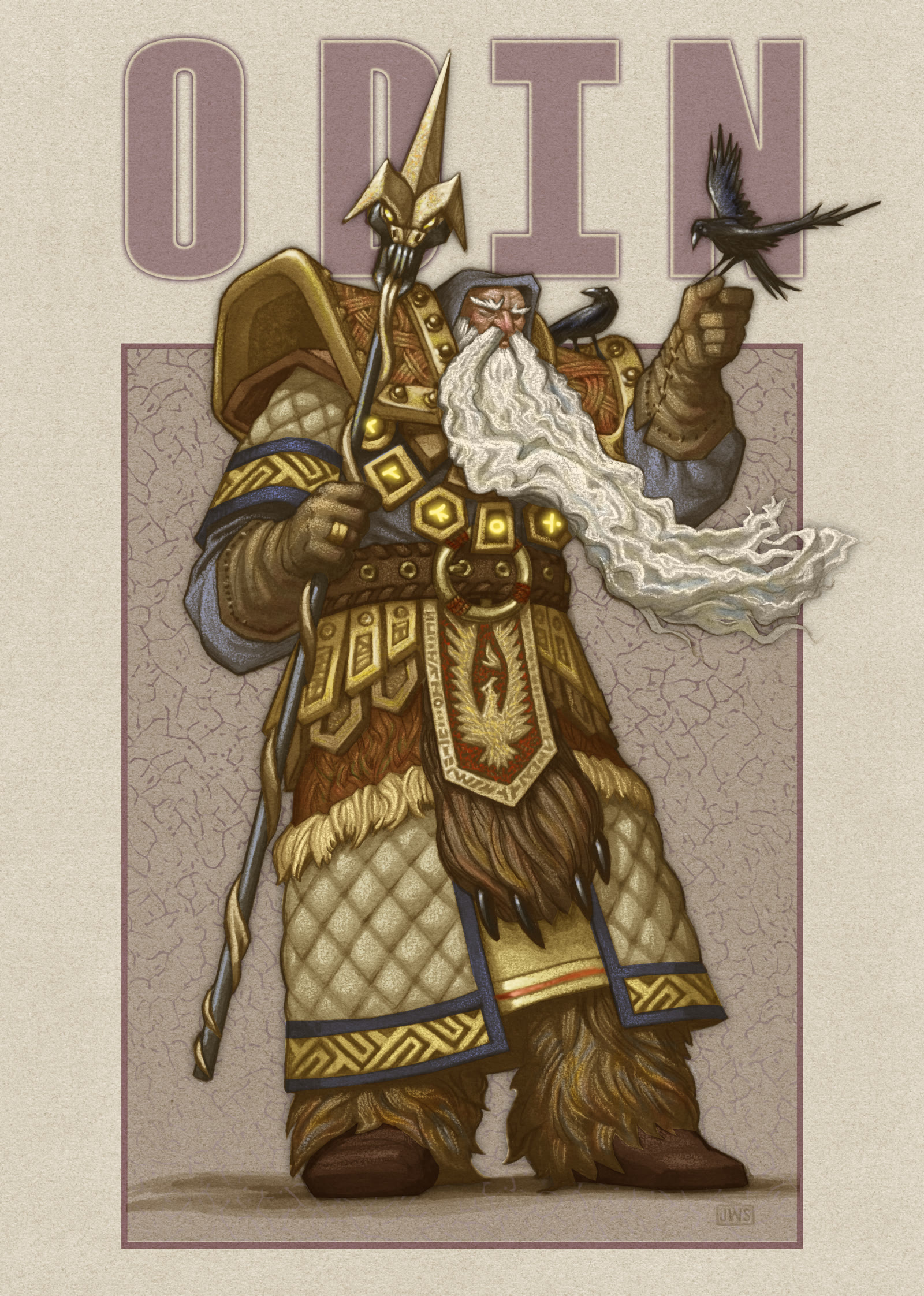
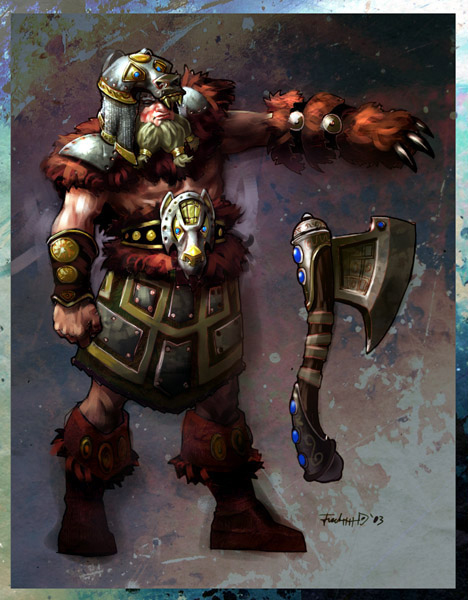
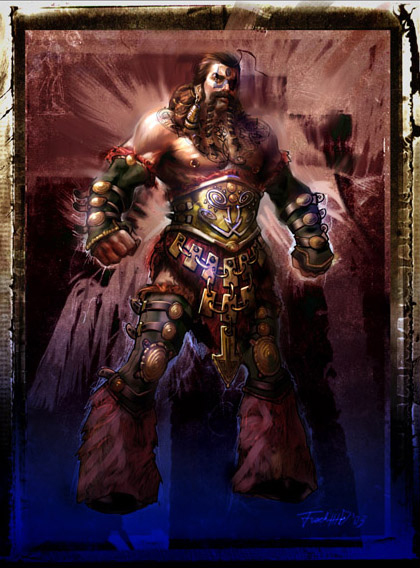
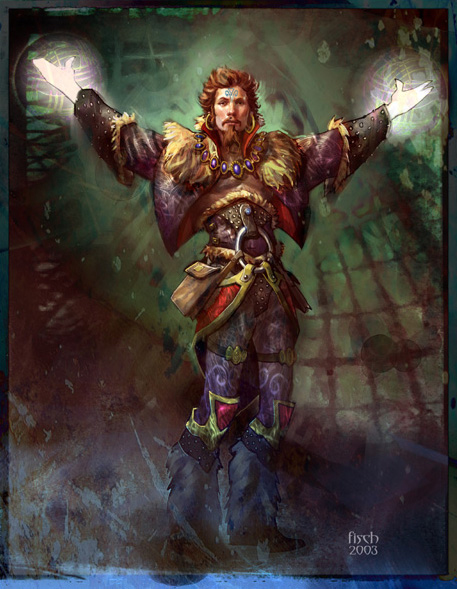
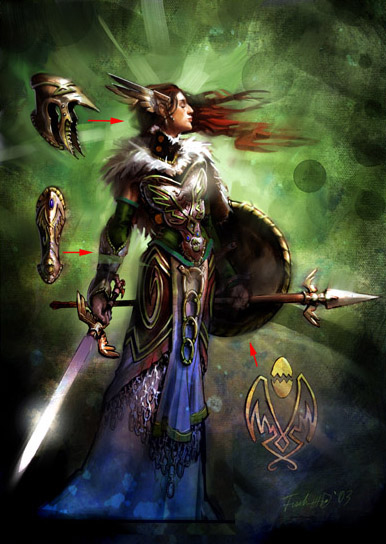
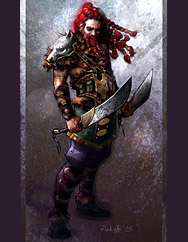
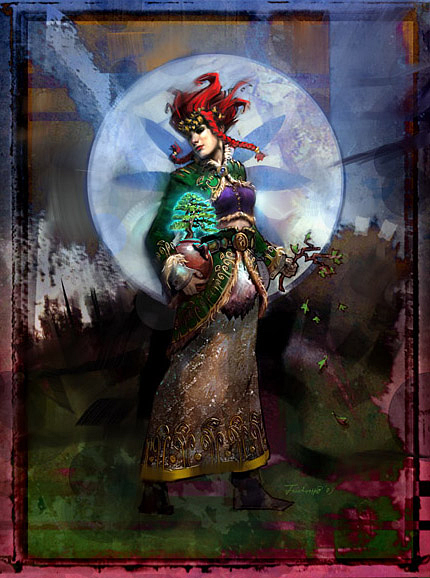
Norse mythology is full of bold, iconic characters. Tyr, Odin, Thor, and Freya...characters so potent that we utter their names when we talk about days of the week (Tuesday derives from Tyr's Day, Wednesday from Odin's day, Thursday is Thor's day, and, yup, Friday belongs to Freya). It was absolutely vital to not only create compelling depictions of these deities but also to elevate their immortal brethren, the Aesir. Some examples follow...
Mythical Realms
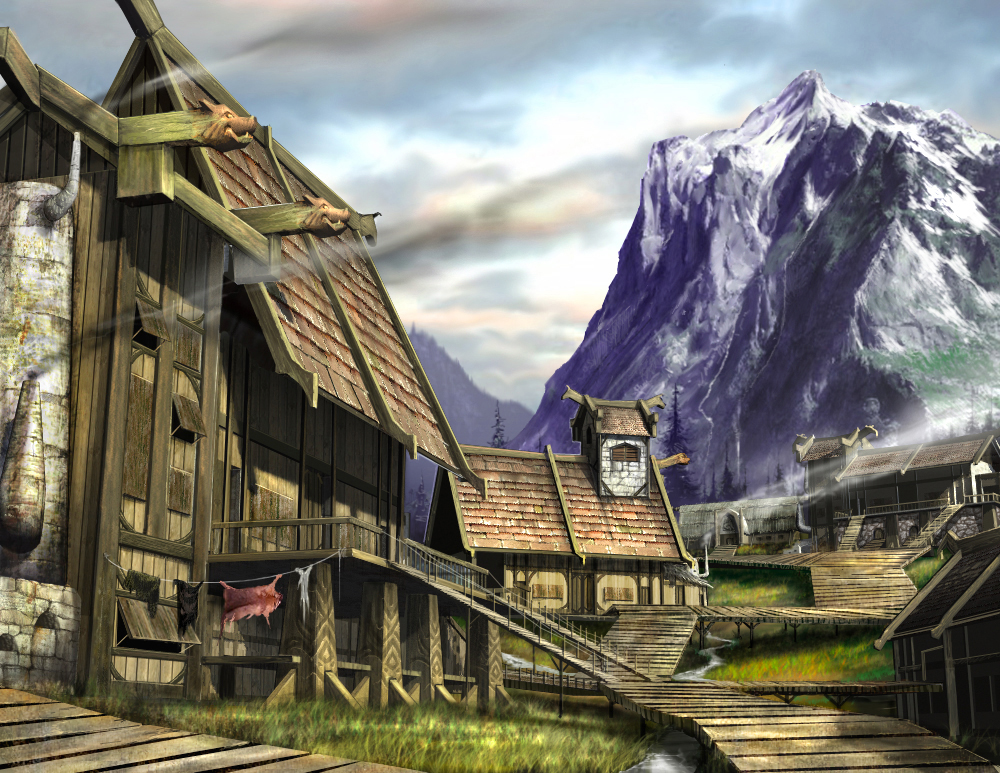
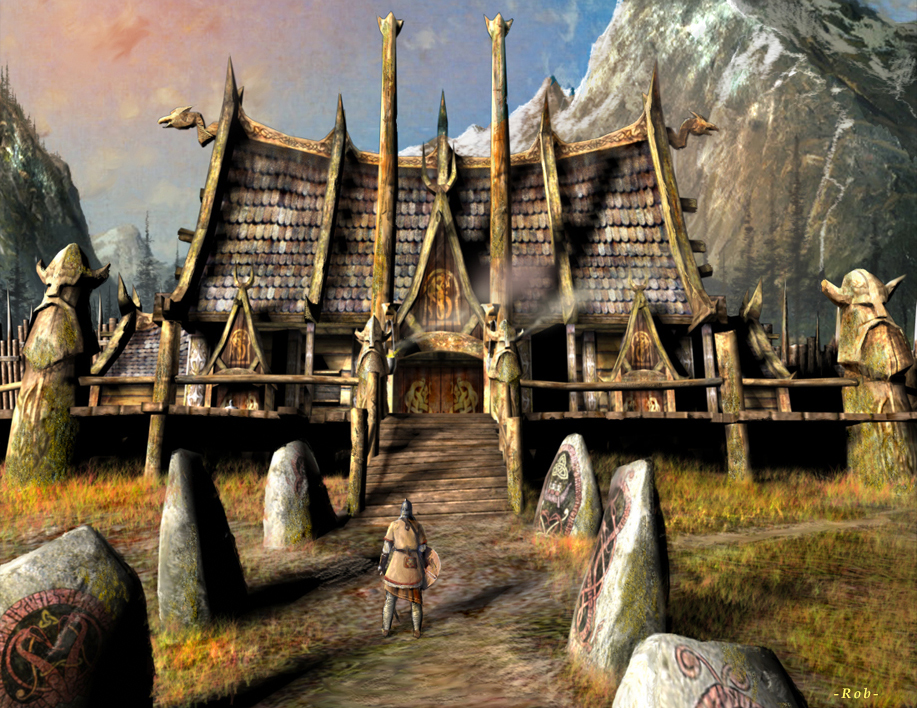
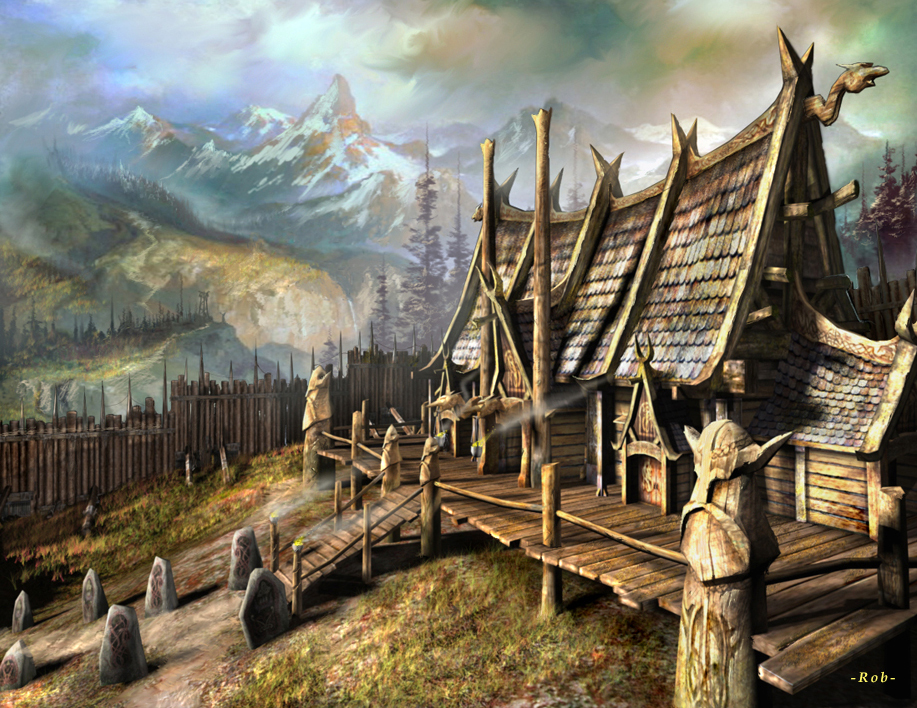
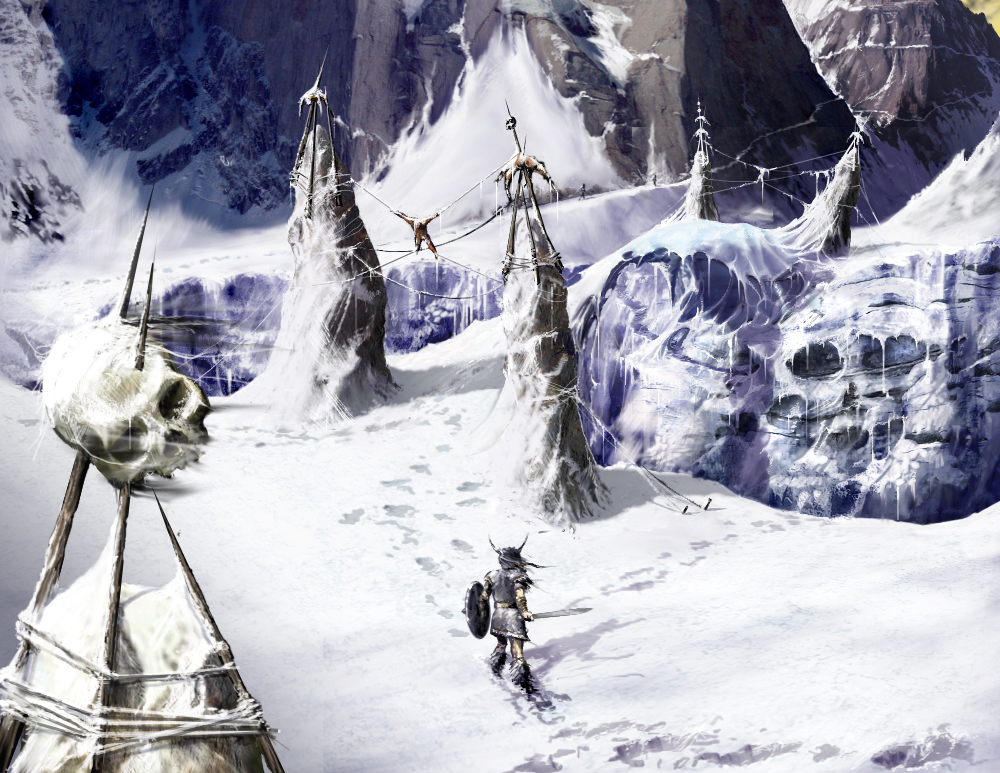
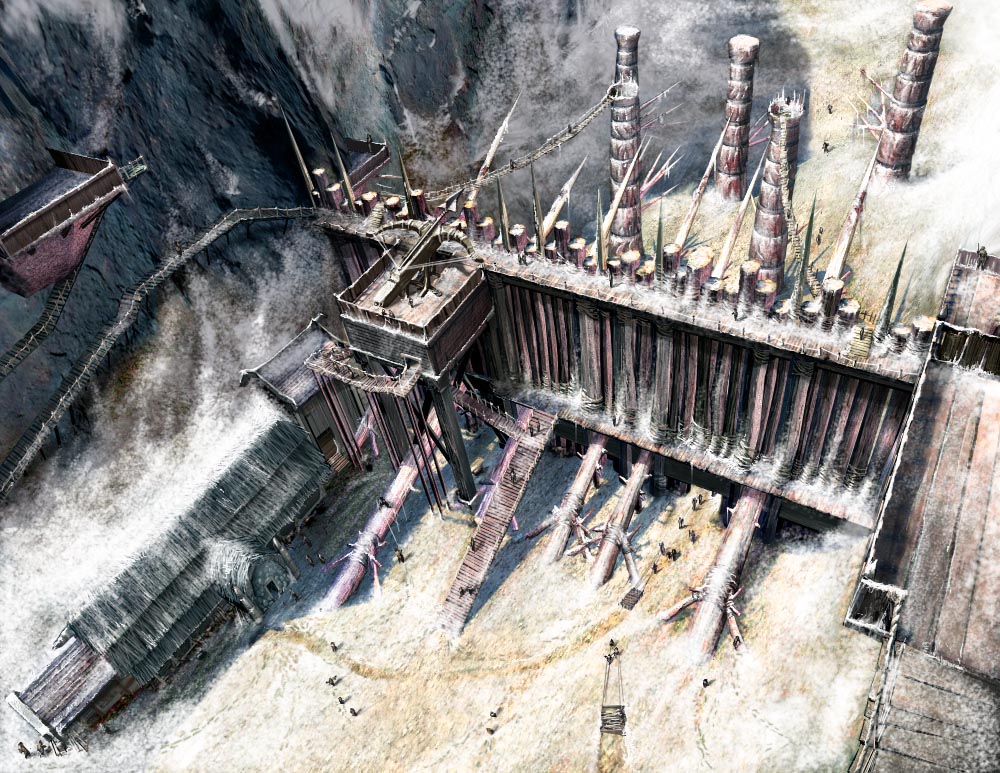
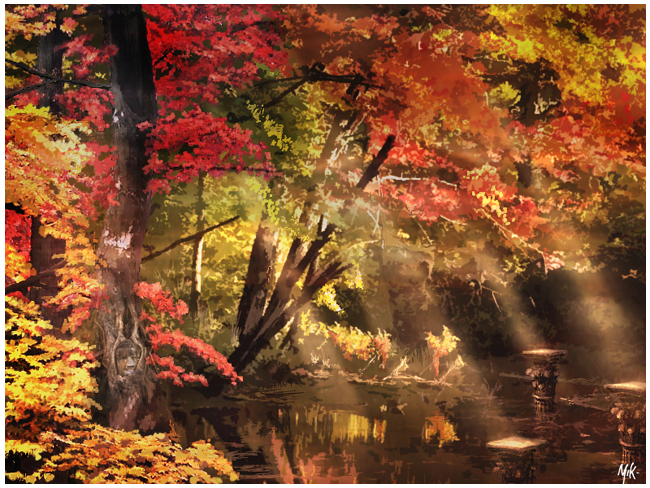
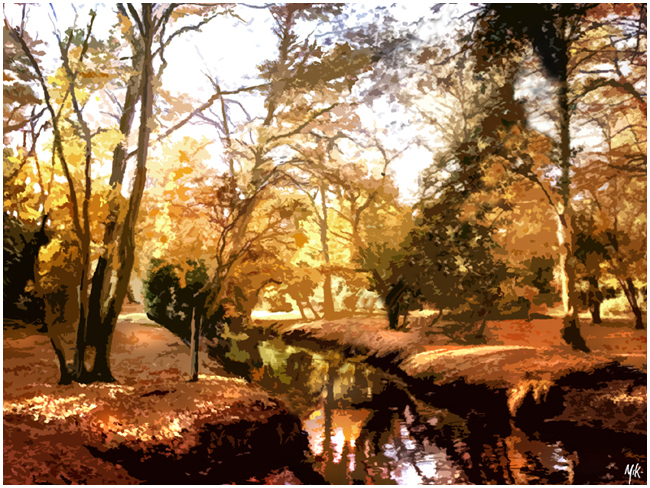
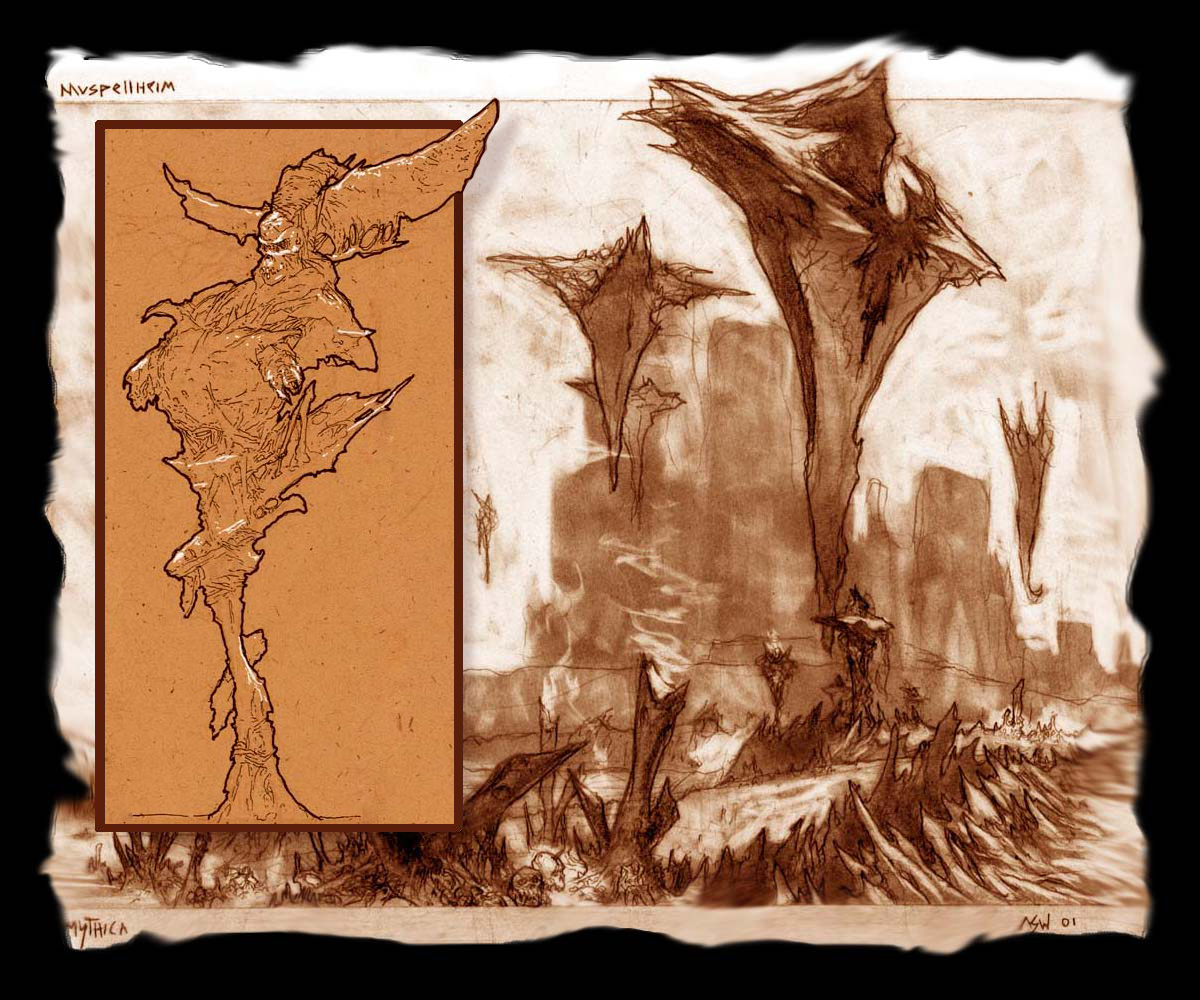
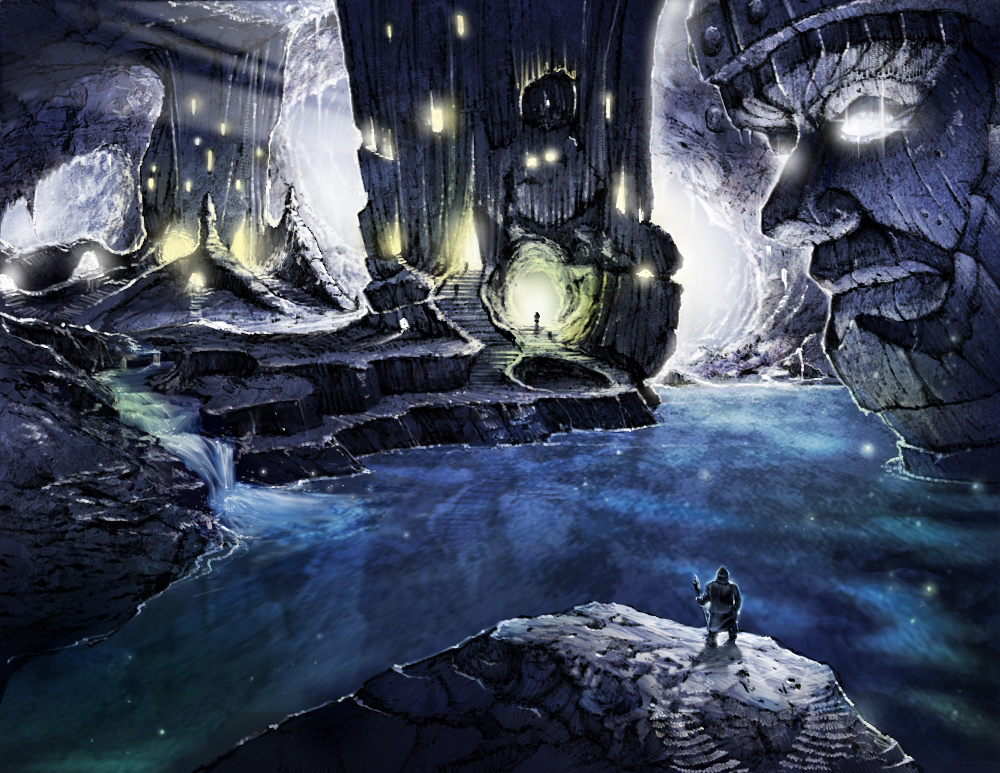
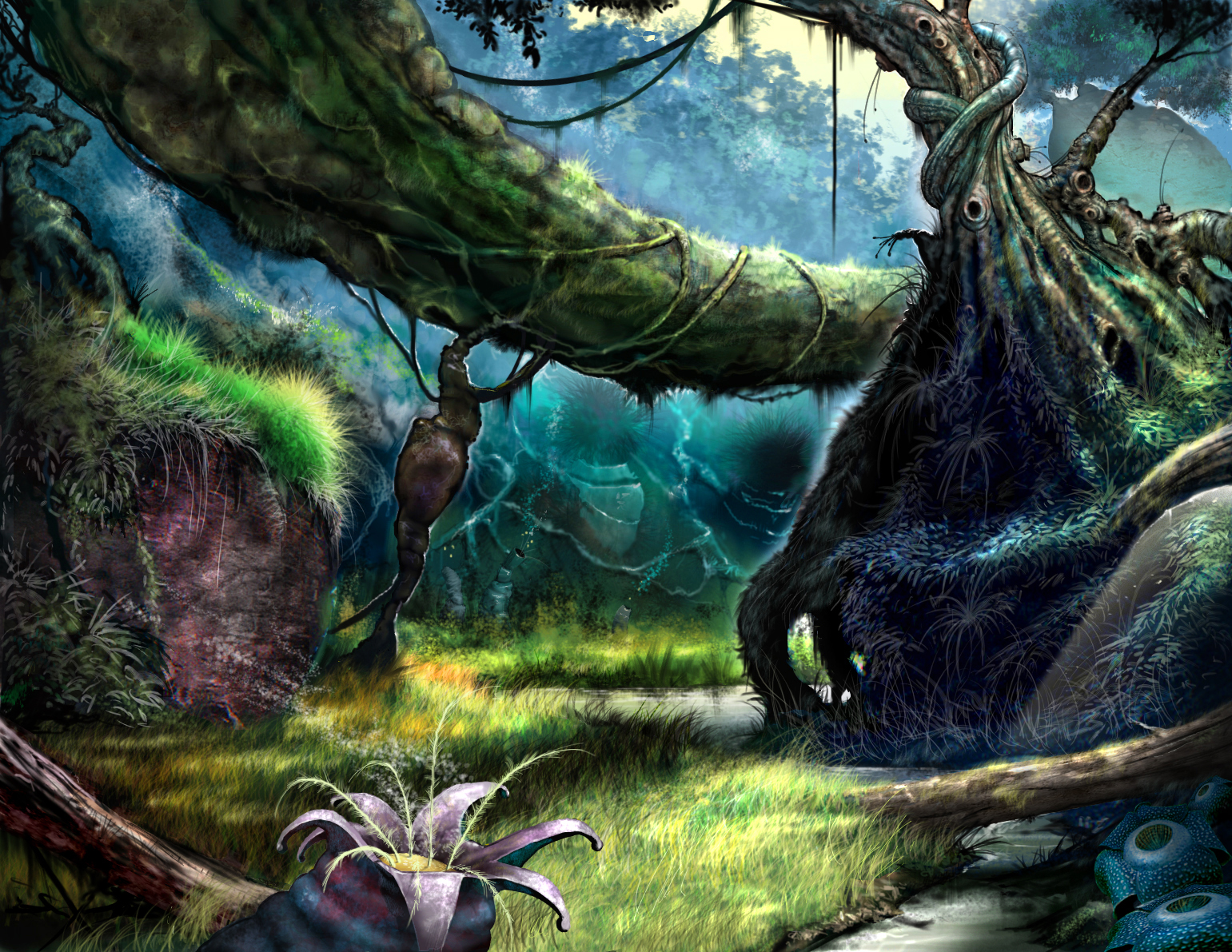
The lands visited by our heroes ranged from frozen wastelands to lush, tropical forests. I wanted each Realm to embody a specific theme with it's own color palette and signature shapes (both natural and manufactured) to make each place feel iconic and memorable. Midgard was rustic but charming; Jotunheim, frozen and blustery; Asgard, autumnal and warm; Nidavelir, dark and wet and underground; Muspelheim, scorched and foreboding; and Vanaheim, lush and exotic.
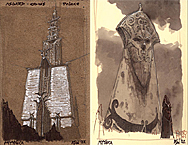
epic heroes
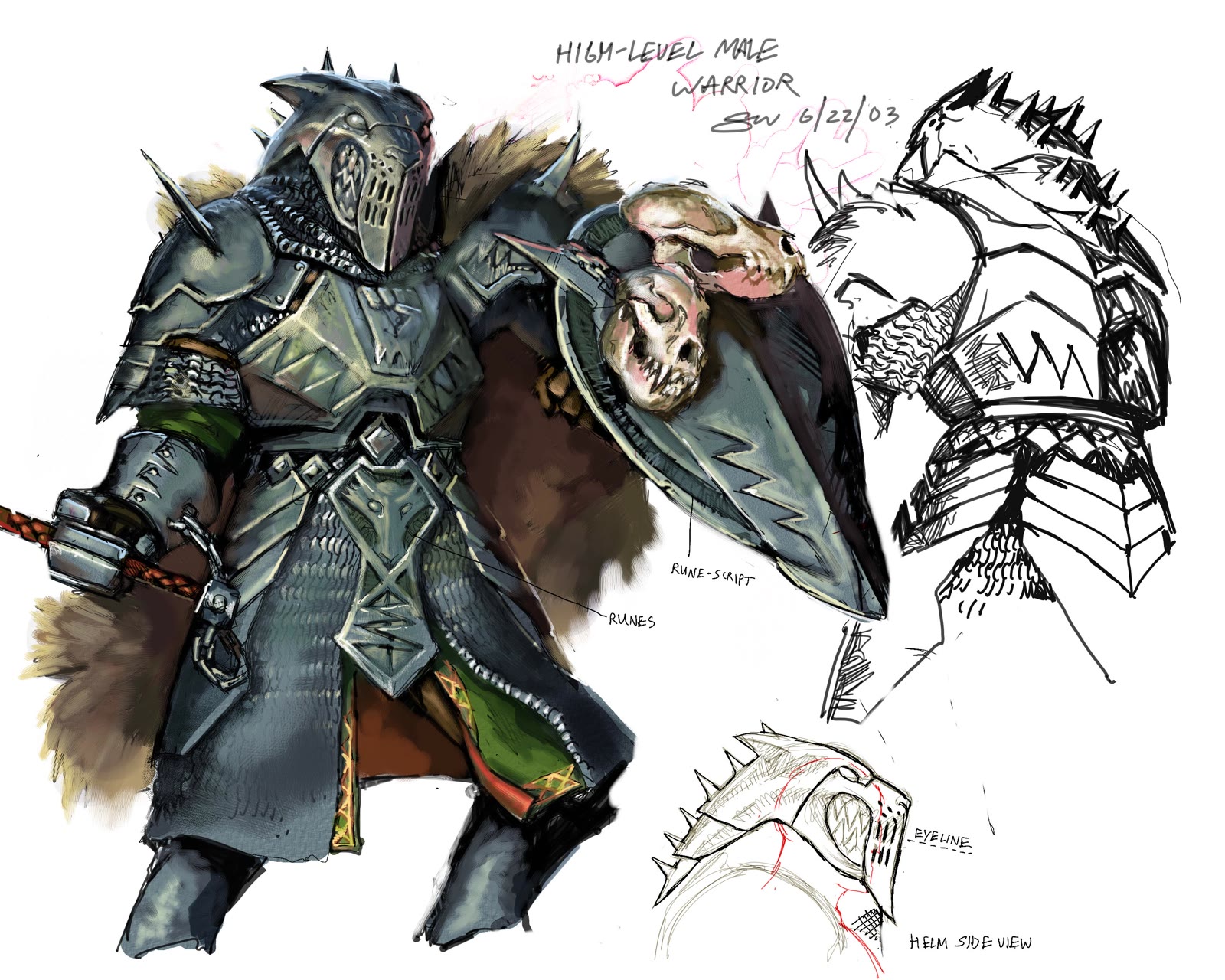
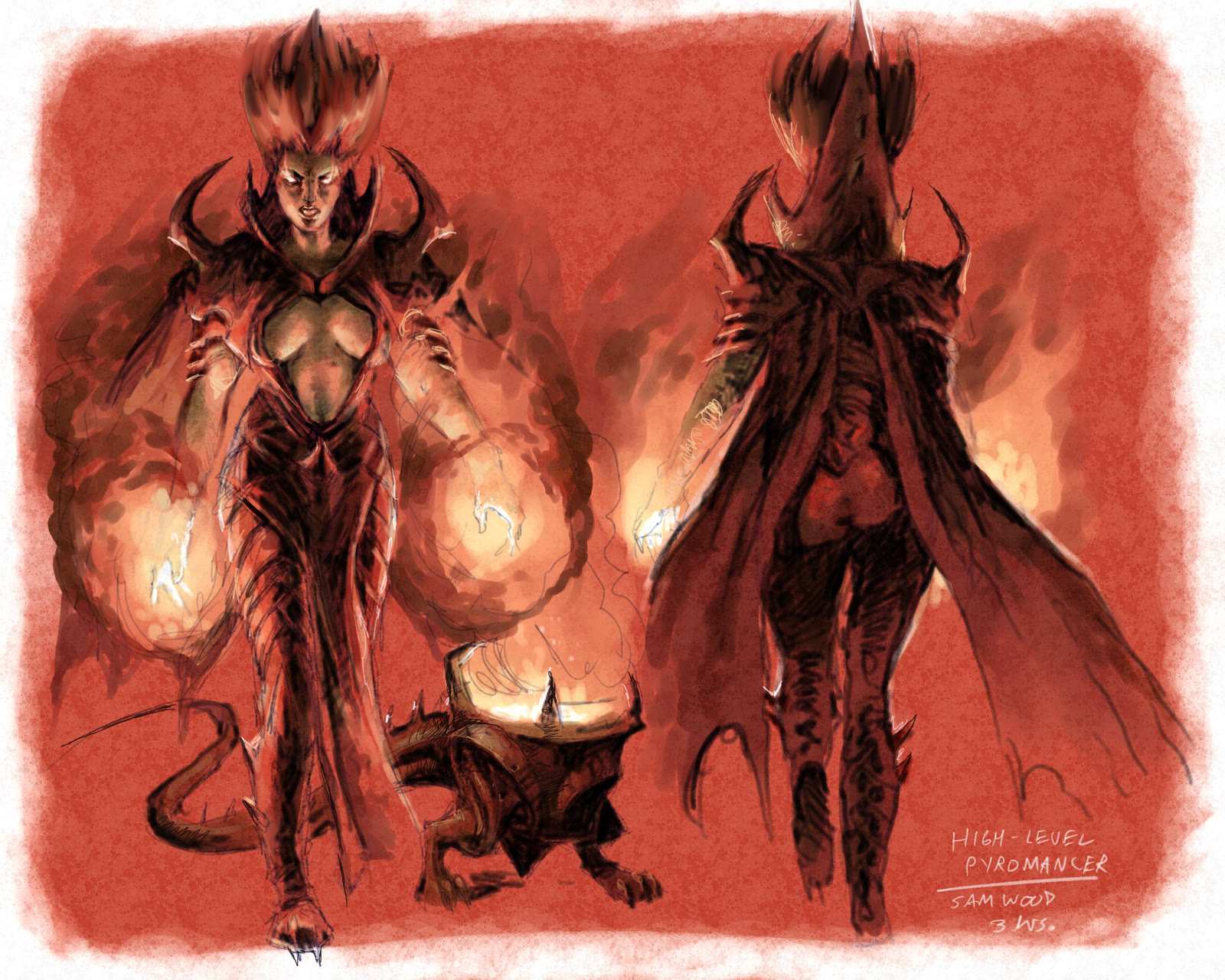
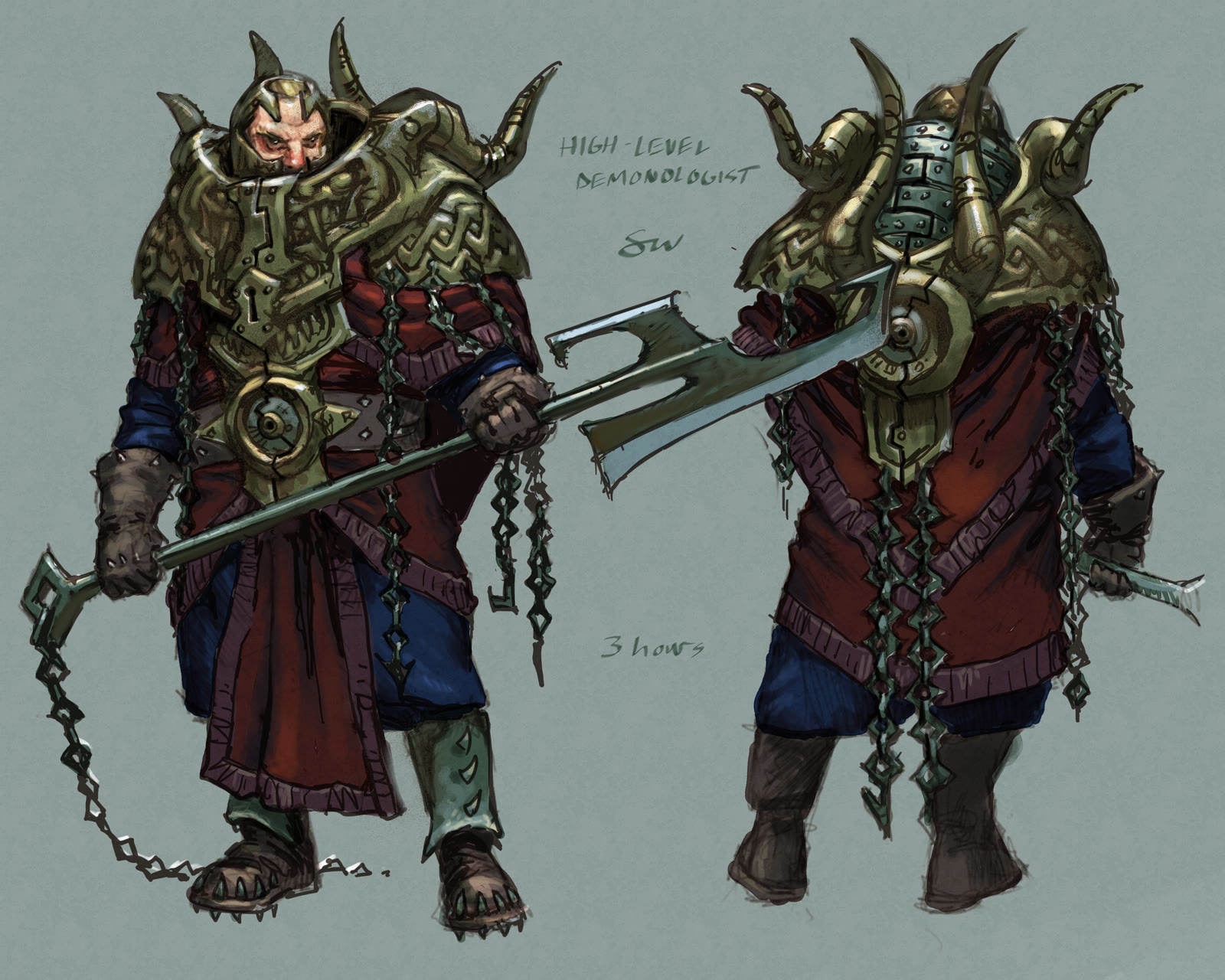
The designers had plans for several highly unique roles, each one needing to look unique, work on a variety of body shapes, and allow for character progression over time. I worked very closely with Sam Wood on the concepts and Leigh Kellogg on the technical direction to devise a plan for swappable components designed within a set of shapes that created unique silhouettes for each role. For example, Pyromancer gear would only work with other Pyromancer gear but the combinations of just 3 completely componentized outfits could easily turn into hundreds of player variants. Our biggest challenge was to make the characters as interesting to look at from the back (where the player would spend most of their time looking) as from the front, but Sam is a master at integrating big ideas into a beautiful plan. Some of the more striking designs are below.
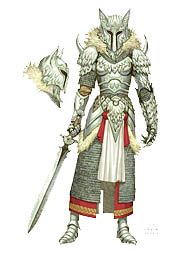
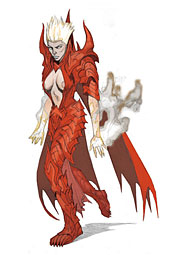
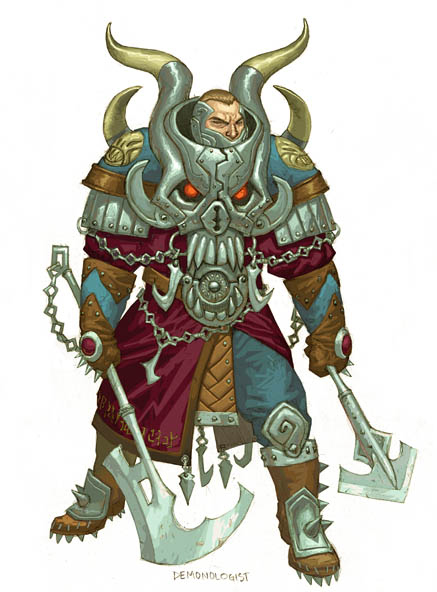
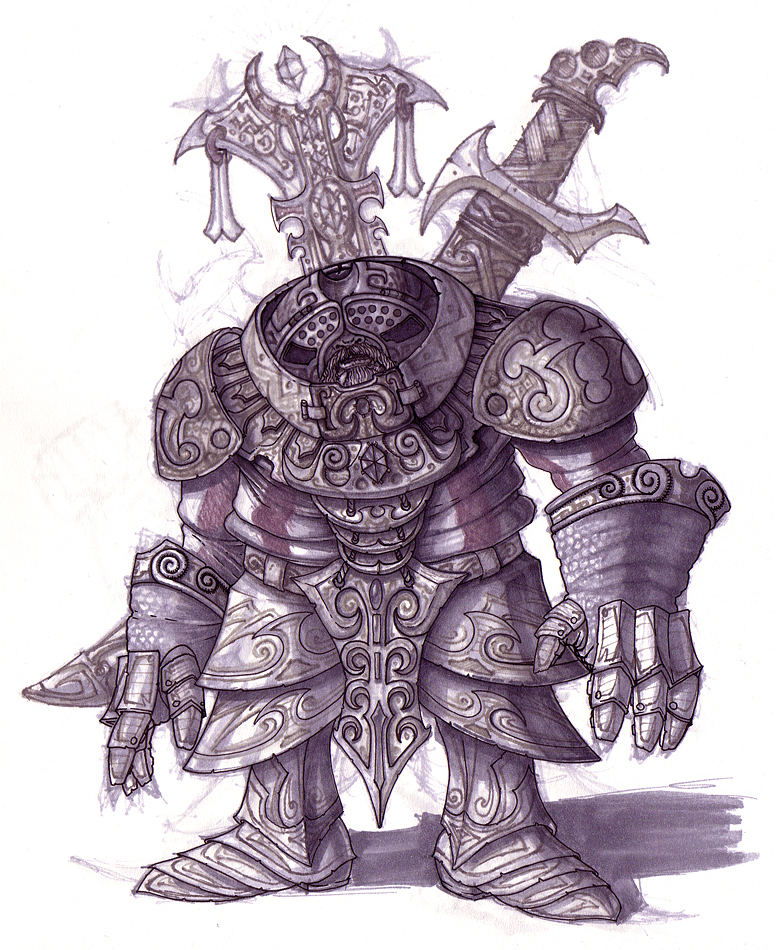
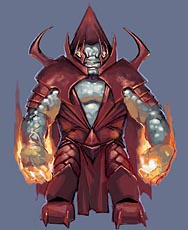
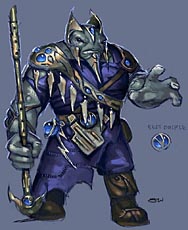
monster mayhem
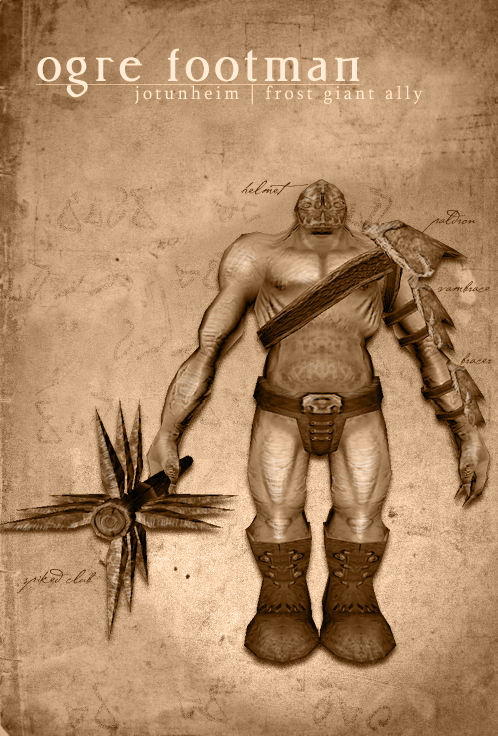
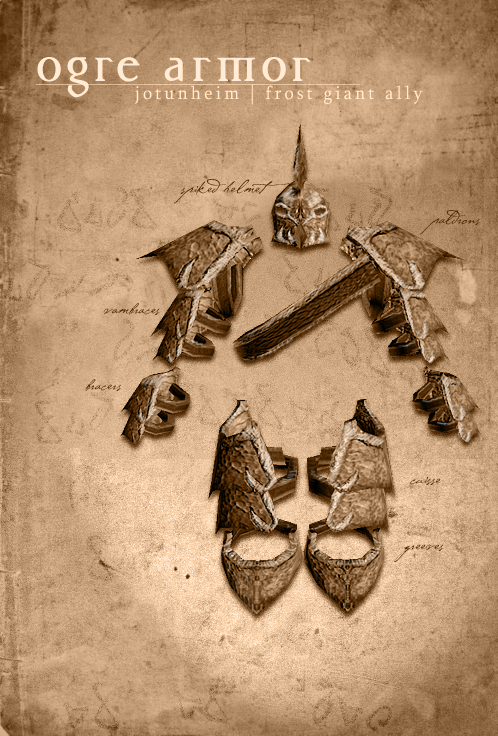
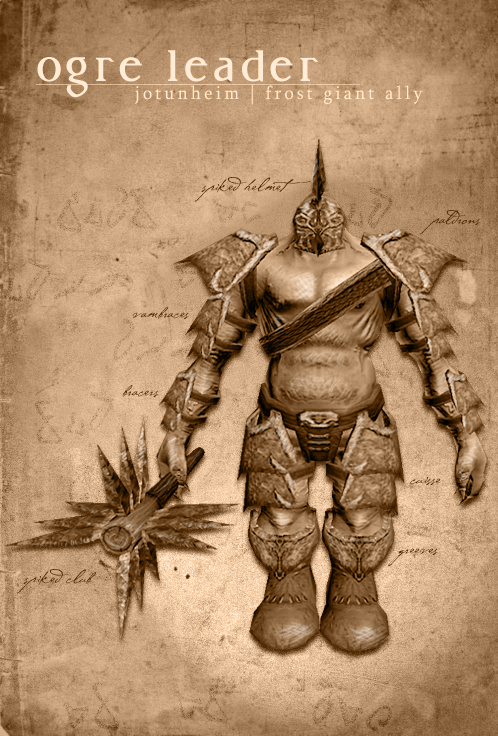
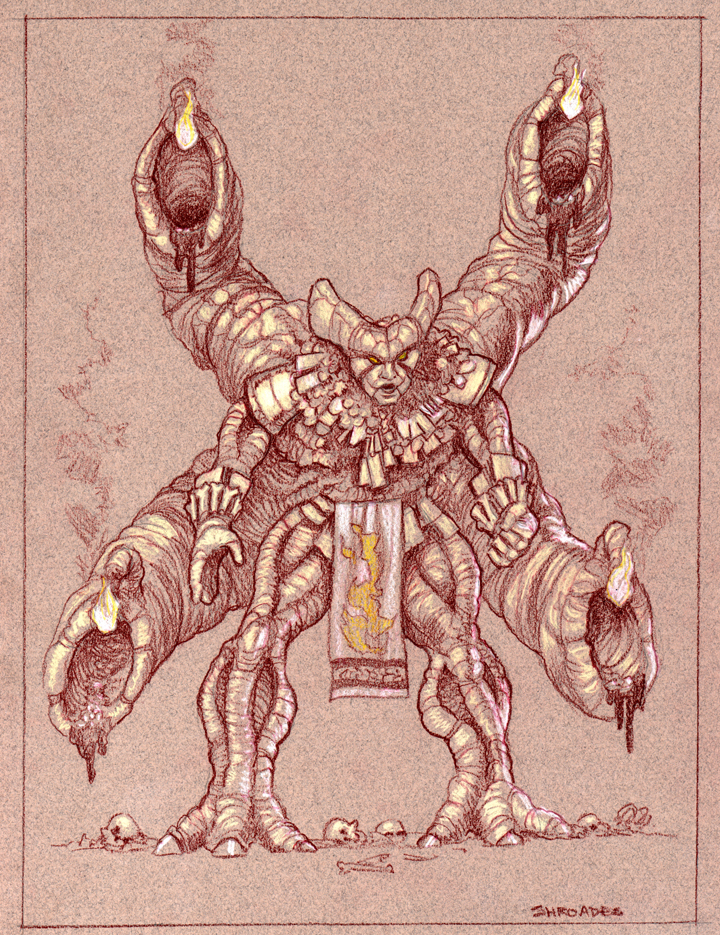
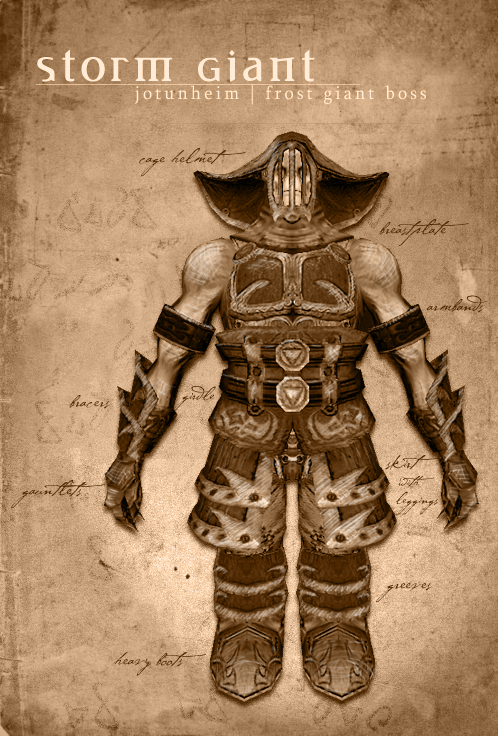
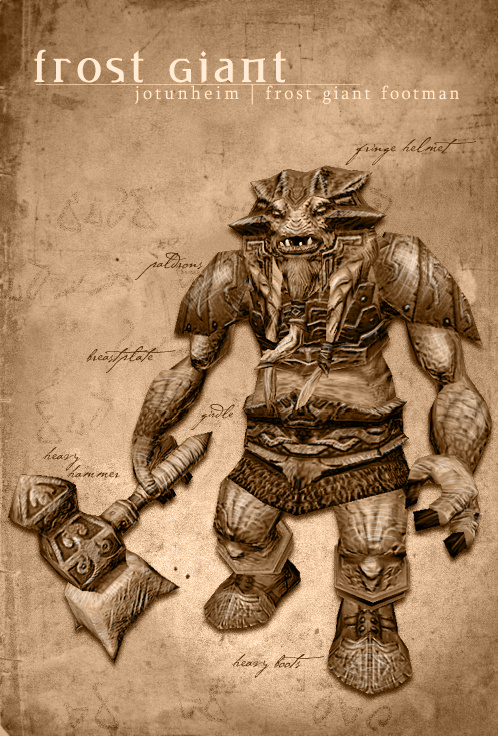
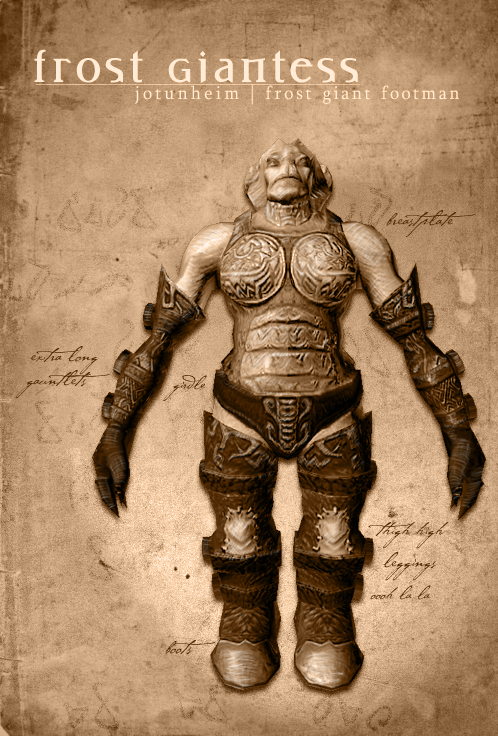
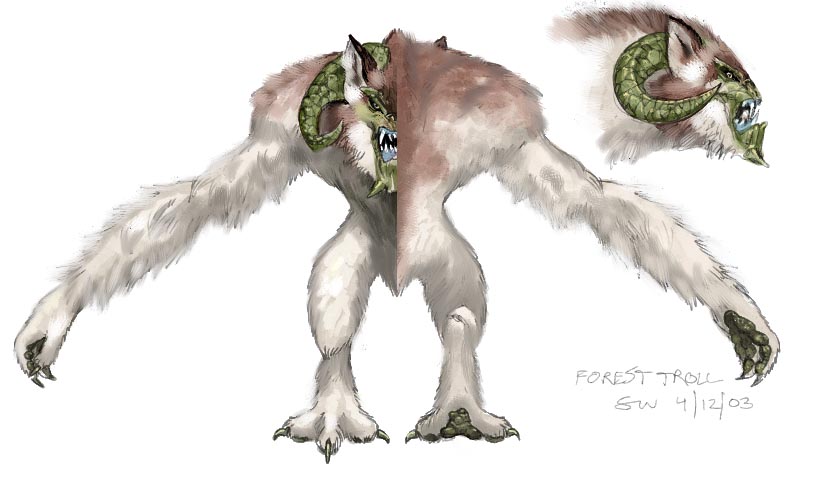
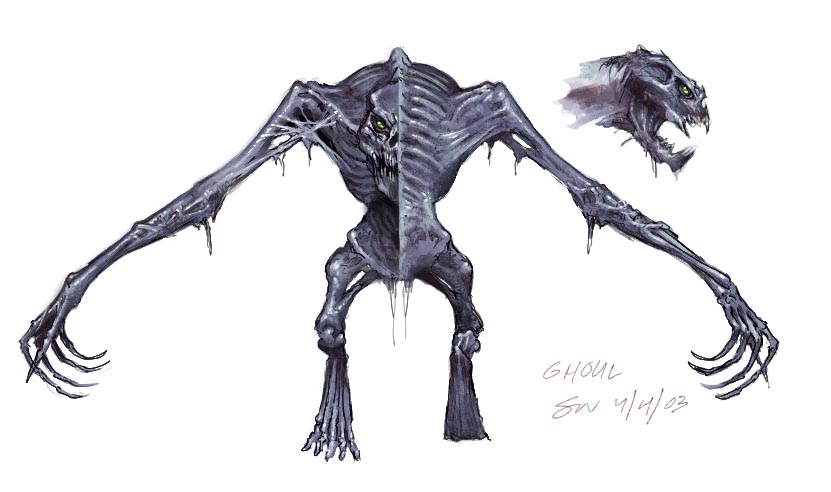
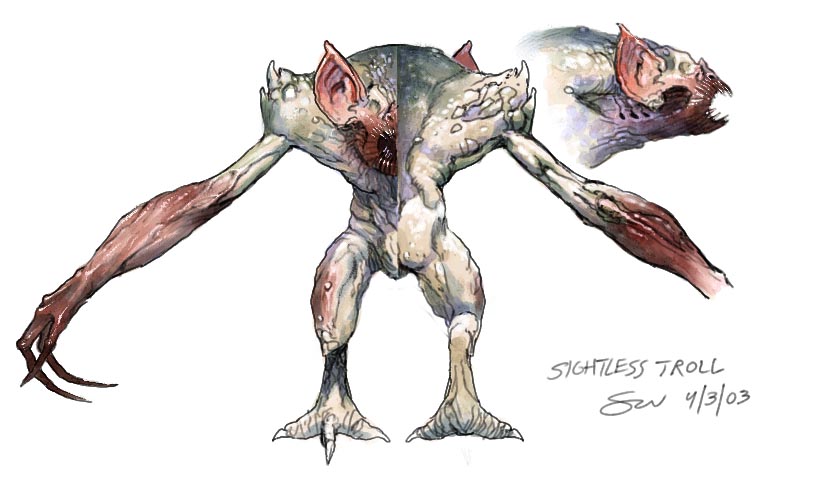
When it came to monster design it was important to put our own unique stamp on the appearance and personality of the beasts. Whether savage wildlife in Vanaheim or frozen ice trolls in Jotunheim, we made it our point to create unique interpretations that you would only find in Mythica. John Shroades' inventive take on the Fire Giants really served as a catalyst for everything else, but from those early beginnings we designed over 200 completely original creatures, many with a system of interchangeable armor bits or accessories. A brief selection follows.
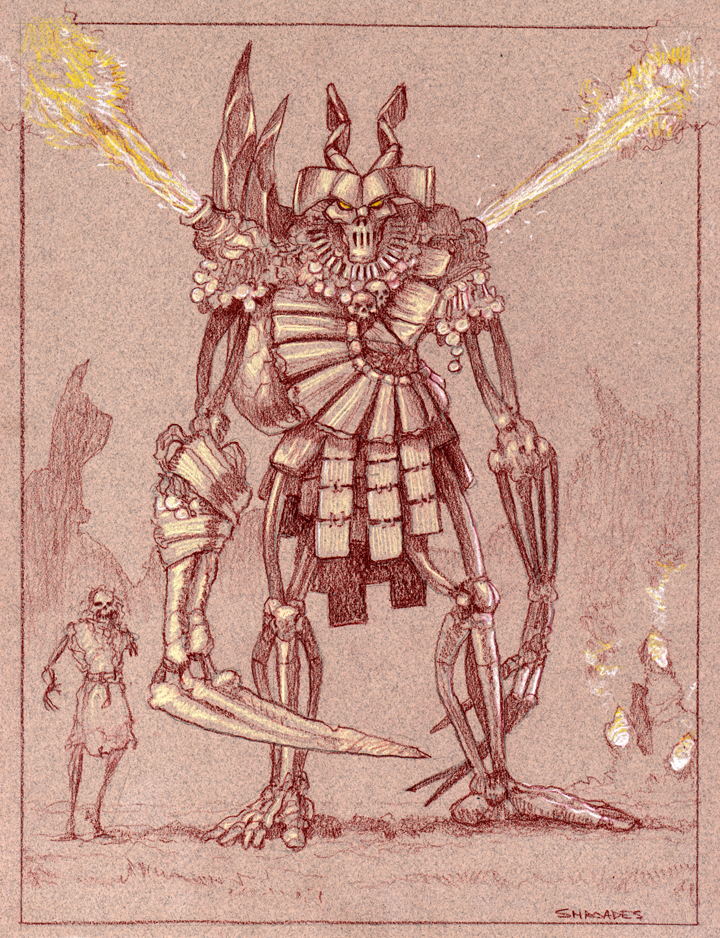
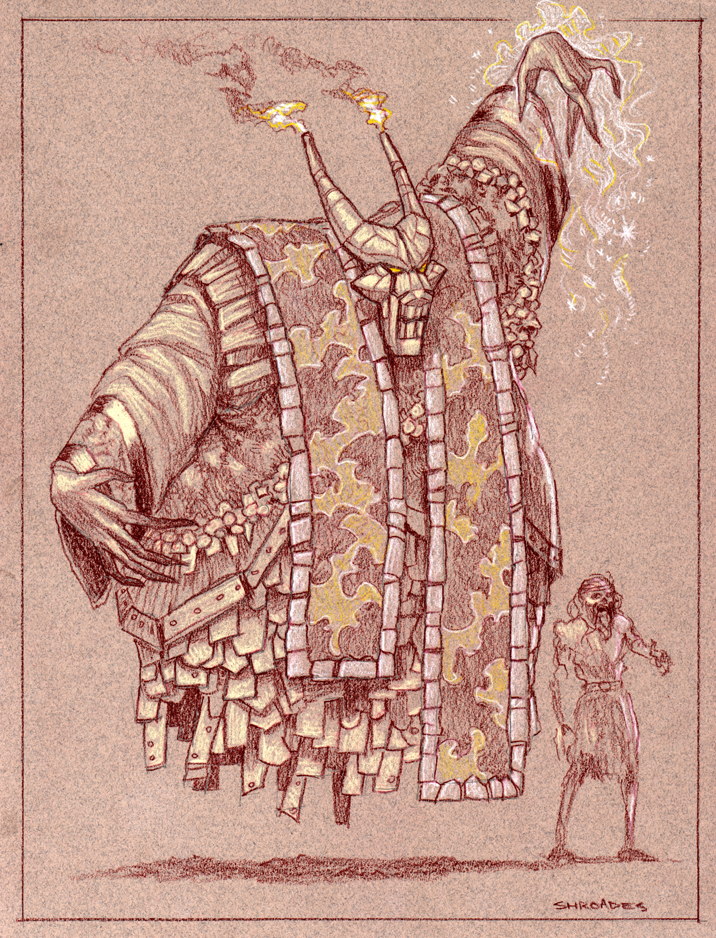
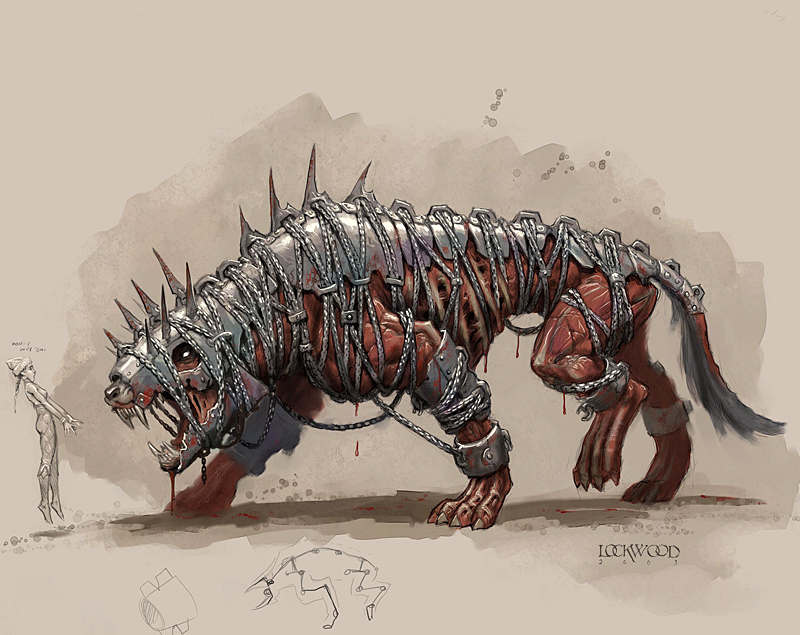
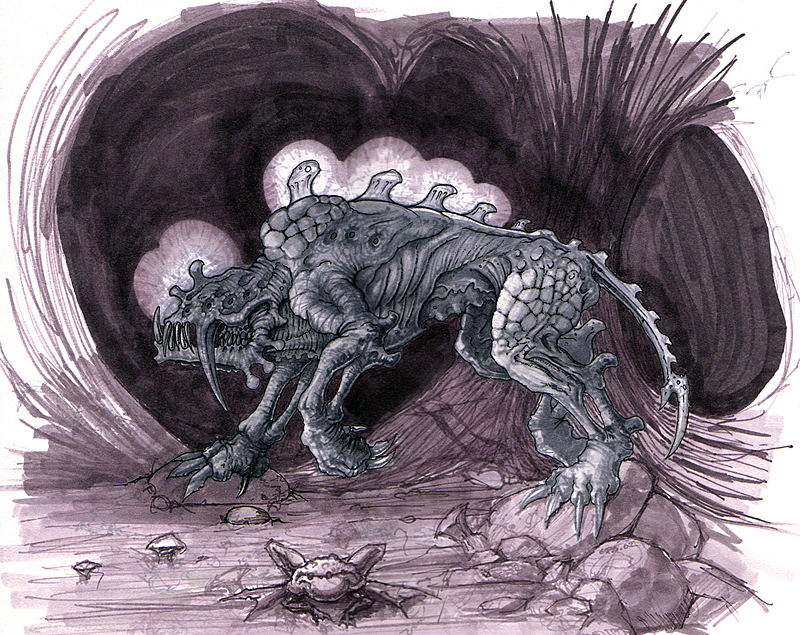
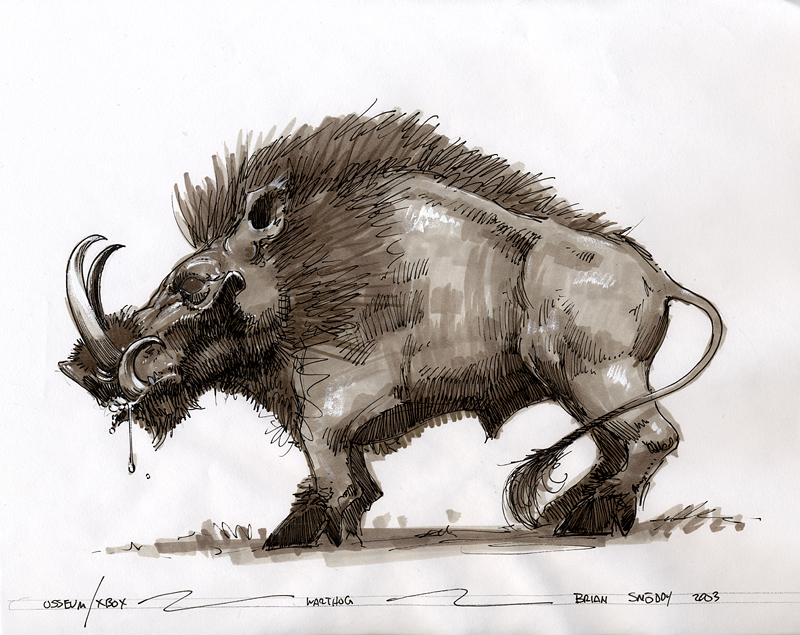
signature weapons
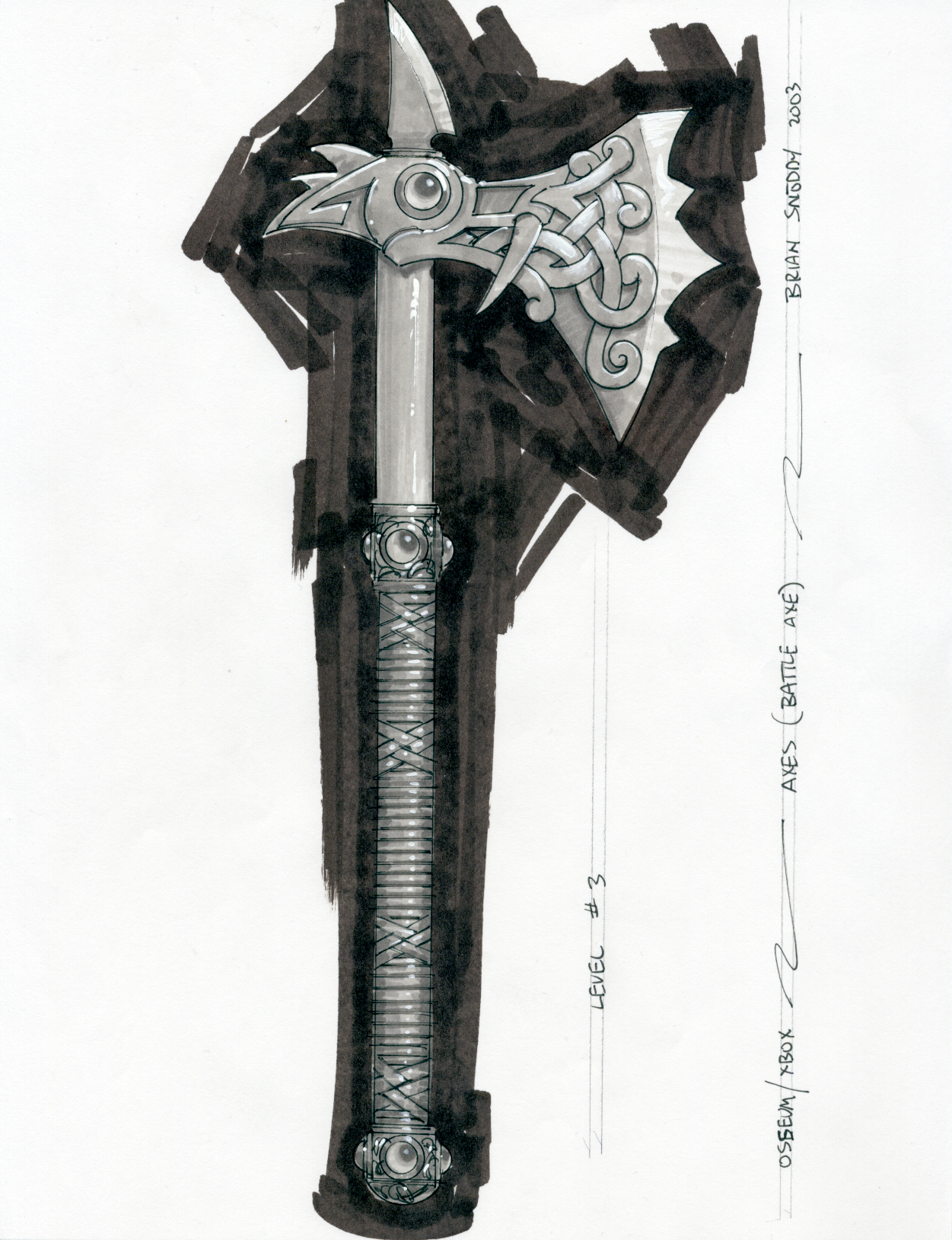
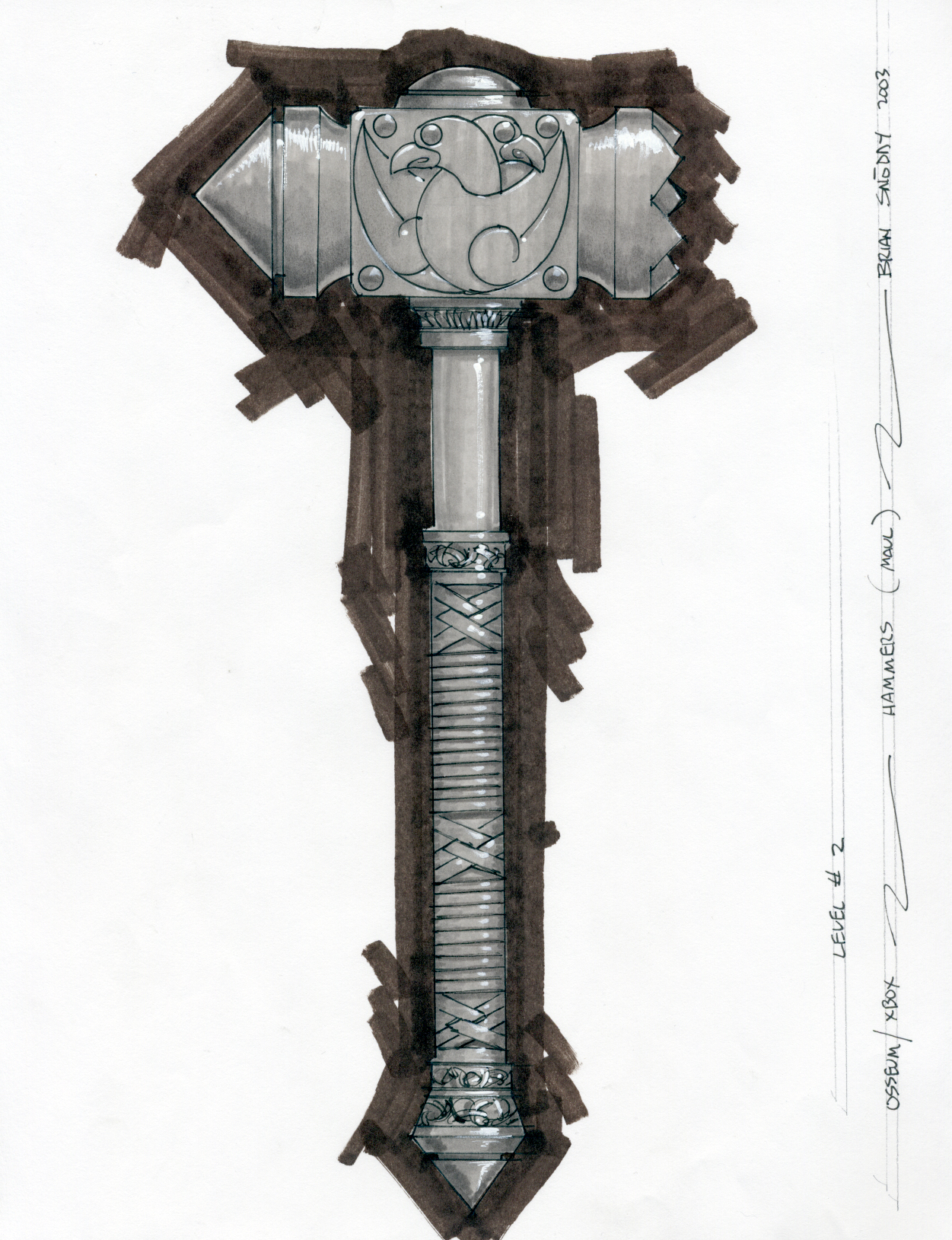
No game about fallen viking heroes would be complete without a vast arsenal of brutal and powerful weapons. My direction to Brian Snoddy was simple: these are godly weapons, so embellish the heck out them. (A nice collection of carving samples from Heddal Stavkirke helped as well). Here's just a few...
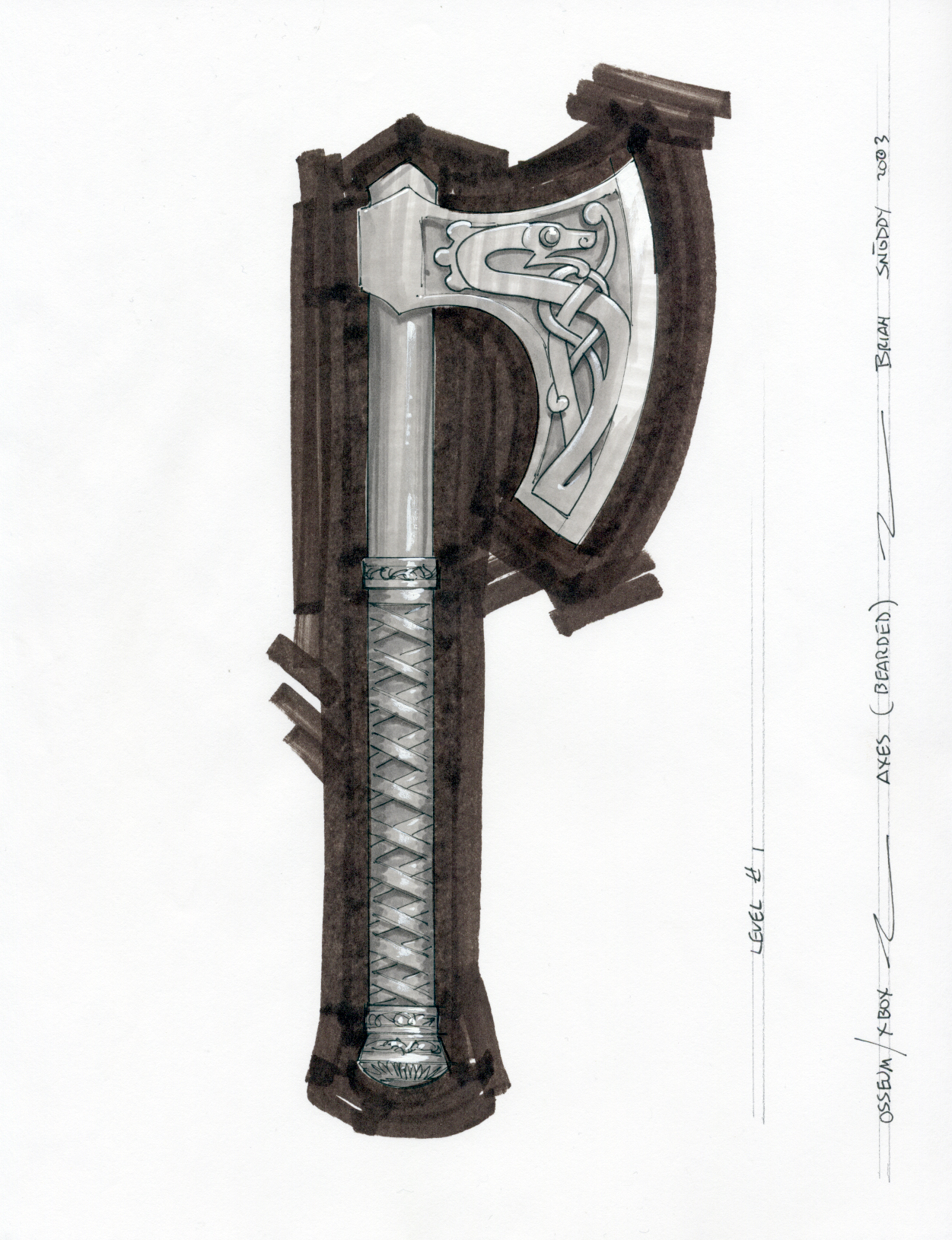
Mood and Tone
But even the best concept artist needs guidance. This is where I borrowed a couple pages from the ad/marketing folks by writing creative briefs and crafting mood boards. Depending on the relationship with the artist the brief might be as long as few paragraphs or as short as a descriptive name. Moodboards were assembled from whatever reference material is appropriate...some times photographs, sometimes paintings, and, as the game progressed, screenshots of pertinent assets. The selections were carefully editorialized to represent a consistent use of color, tone, and shape, which provided a fertile ground for creative interpretation.
Once concepts meet my approval and satisfy the needs of design, they're placed in the production queue. And that's where things get really cooking.
asset creation on an epic scale...
MMOs are big. You know how Douglas Adams goes on and on about space and how big it is? Well, he wrote that before we had MMOs. MMOs are big. And in order to support them you need to be constantly thinking about how to build on top of things and expand things and not break all the things that were built in the past. You need to plan carefully so that you can leverage every investment you make in asset creation because you or the team maintaining the game will have to live with your decisions for years to come. You're also dealing with a game that is consumed over hundreds of hours (not tens like typical single player games) so it is important to create systems that result in additional content through new combinations of existing parts. While a team of 80 can build 12 hours of AAA content, nobody wants a team of 800 building content for 120 hours of play. This is a classic case for working smarter not harder.
One of the most significant ways I helped the team work smarter was to translate the goal of creature archetypes, subtypes, and multi-types into an actionable plan. Recognizing that animation was one of our biggest expenses (both in terms of content production and performance cost) I worked diligently to ensure that the hundreds of planned creatures would work on only a dozen skeletons.
We also designed our humanoids to accept armor as attachments. That way one creature (or character) could be accessorized a number of ways to create a tremendous variety of assets for only slightly more cost than producing one. This approach necessitated coordination and support from programming as the method required an in-engine mesh and texture merging solution to keep the draw calls under control. But the cost:benefit ratio was clearly balanced on the benefit side, and, thus, dozens of assets became thousands.