A Deep Cut
Blast from the pastBefore the case studies there were boxes on shelves. Nine milestones from my first fifteen years in games, curated from the portfolio site I built in 2009.
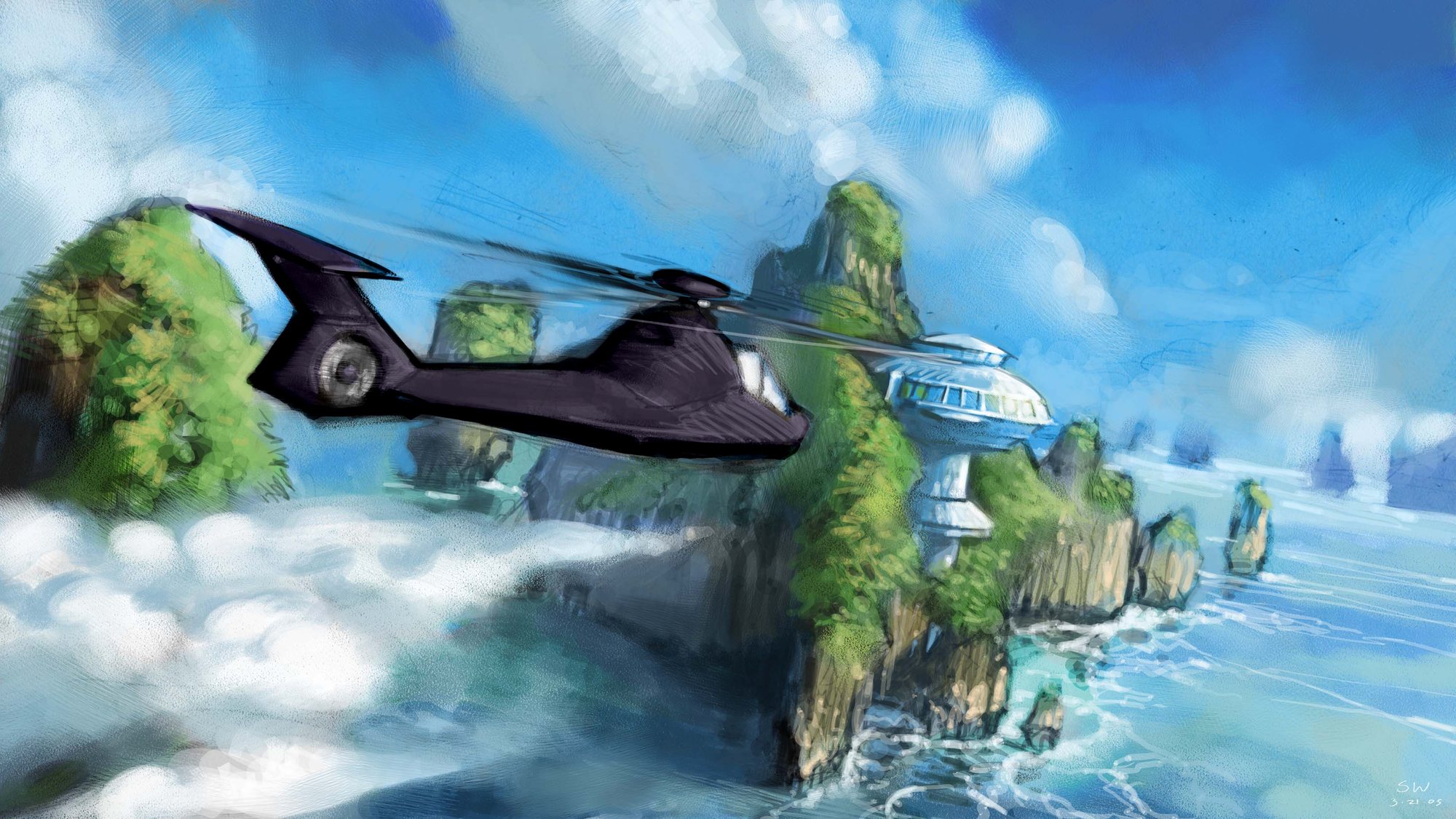
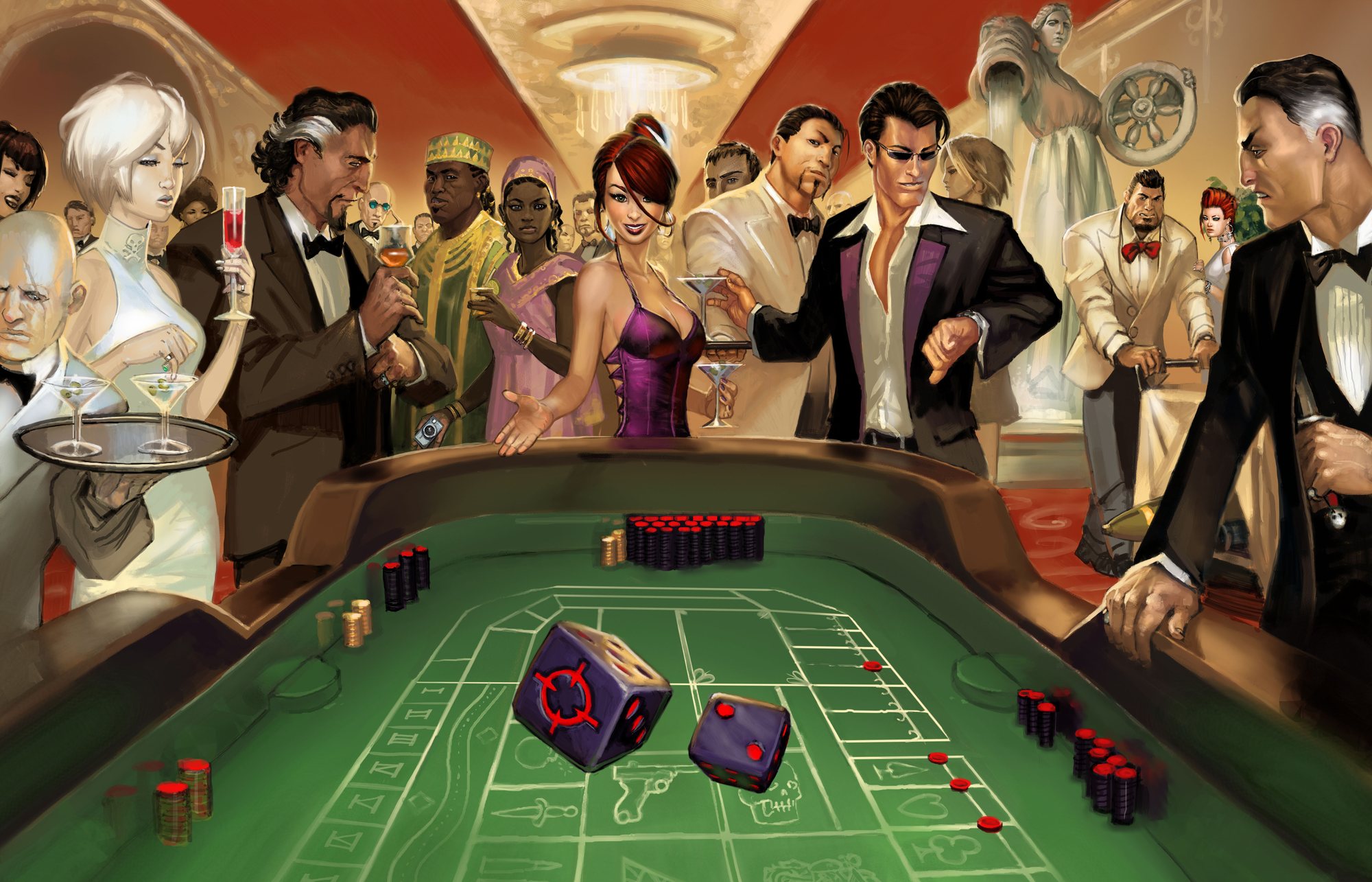
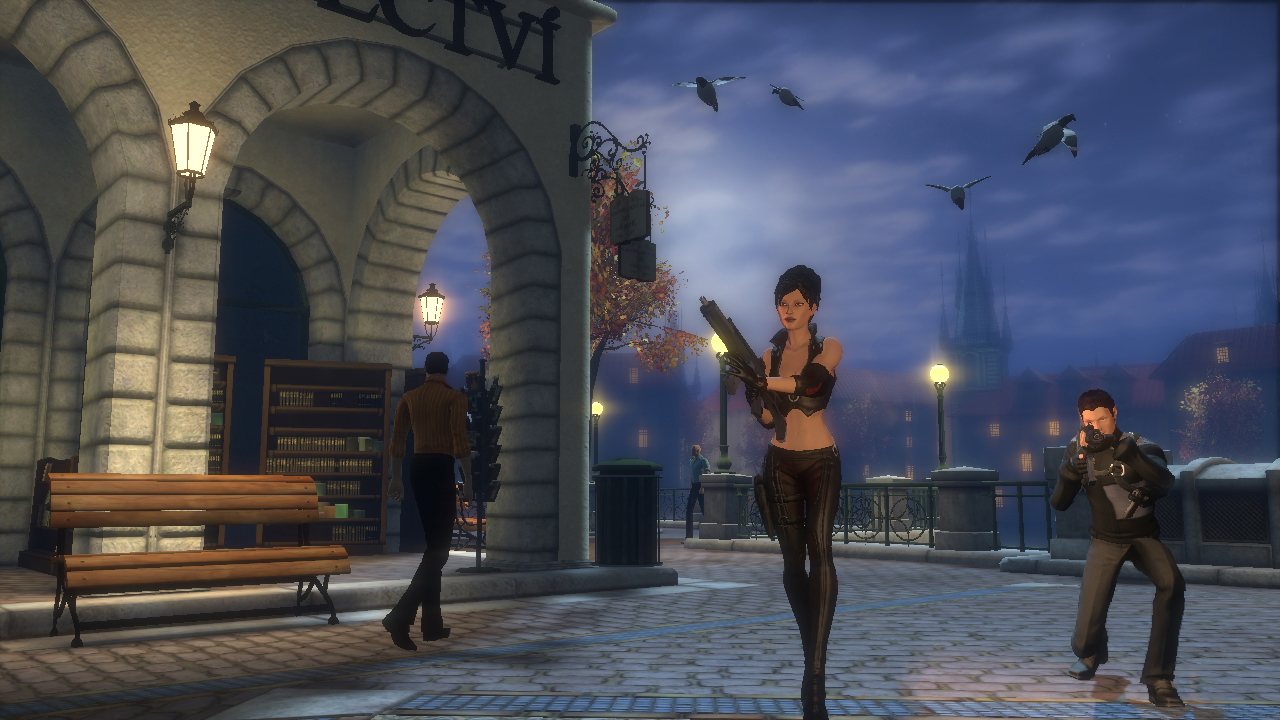
The Agency
A spy-fi action MMO for PS3 and PC, built from a one-page pitch. I established the IP from the ground up, hired and led a 45-artist team, and ended up on camera as the game's spokesman.
- Art direction
- IP creation
- Team building
- Spokesman
2009
Concept art & the pitch
Live the life
In February 2005, Sony Online Entertainment's freshly opened Seattle studio handed me the opportunity of a lifetime: bring massively multiplayer gaming to a mainstream audience. Our own IP, our own gameplay, on any engine we chose. How could I say no?
Lead Designer Hal Milton got us going with a one-page write-up called "the Agency." From there we defined our feature pillars, planned a small test level, picked an engine and pitched Sony Pictures for the green light. This is where "live the life of an elite agent" and "fun now, no waiting" were born.


The pitch
As a lifelong James Bond fan, I found the idea of a game about super spies exhilarating. The first visual job was to distill the most iconic parts of the spy lifestyle into thrilling concepts. Exotic locales, jet setting and lifestyle framed not just the highlights but the moment-to-moment experience of the Agency.
The Bruckheimer
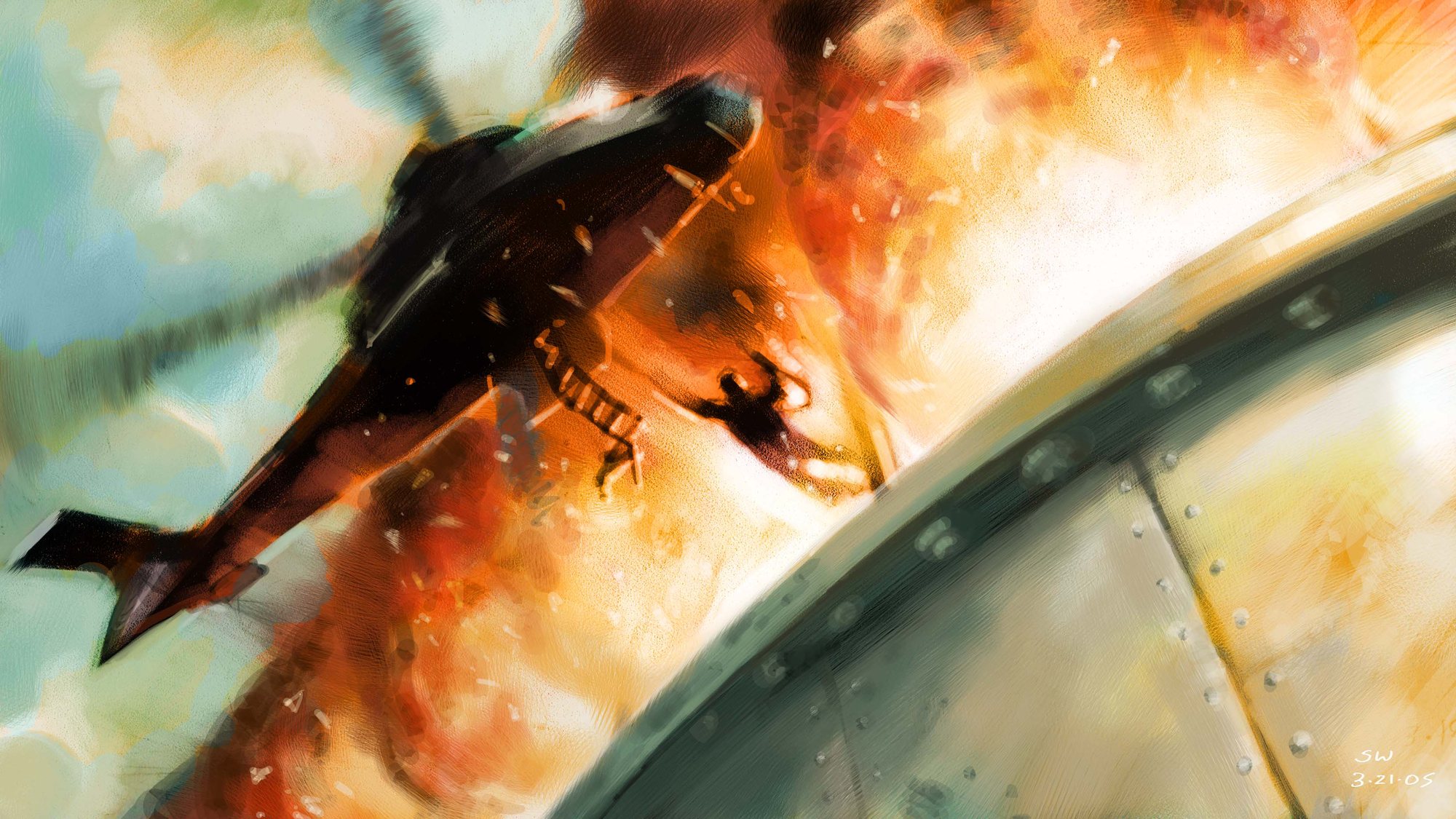
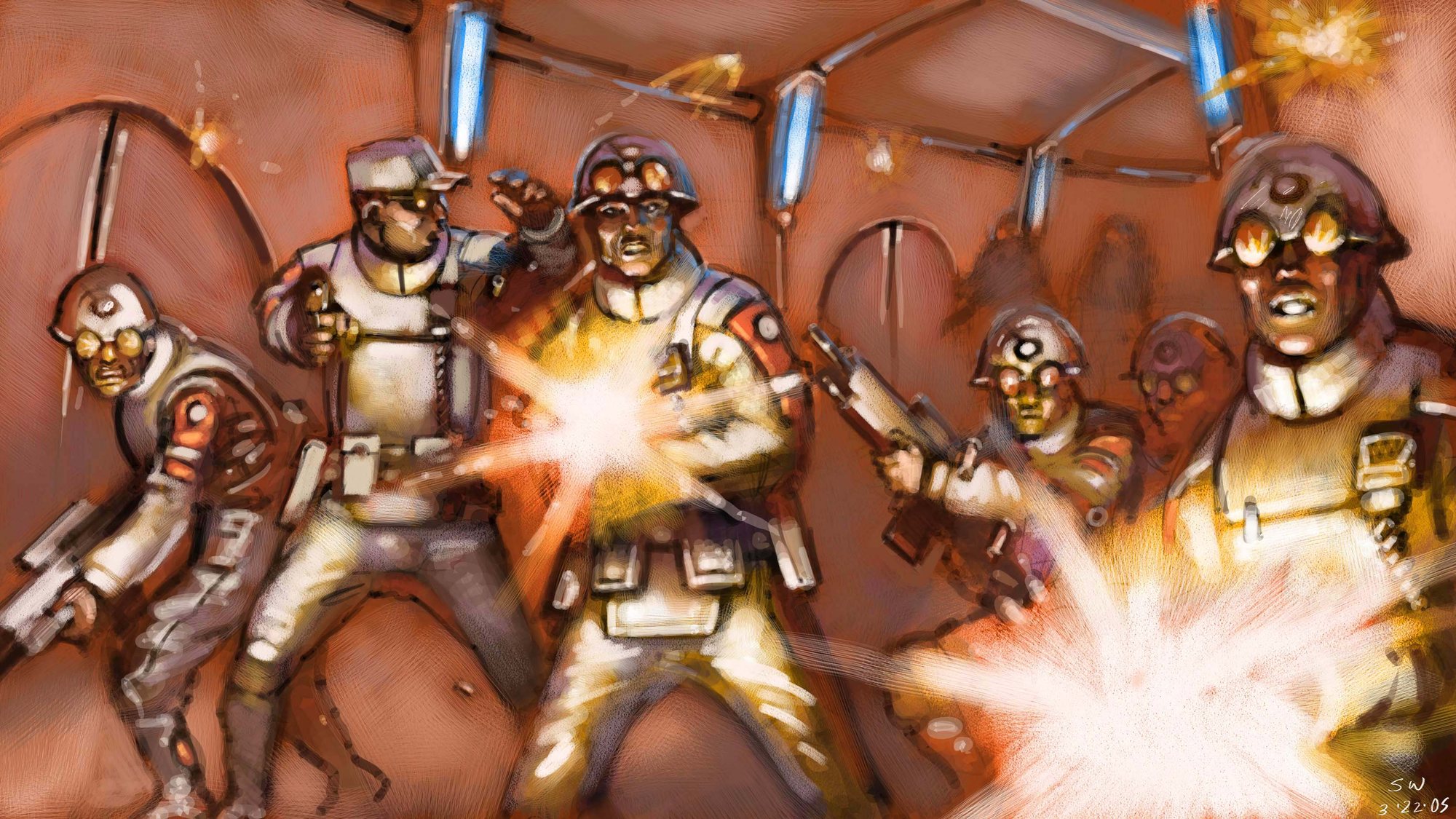
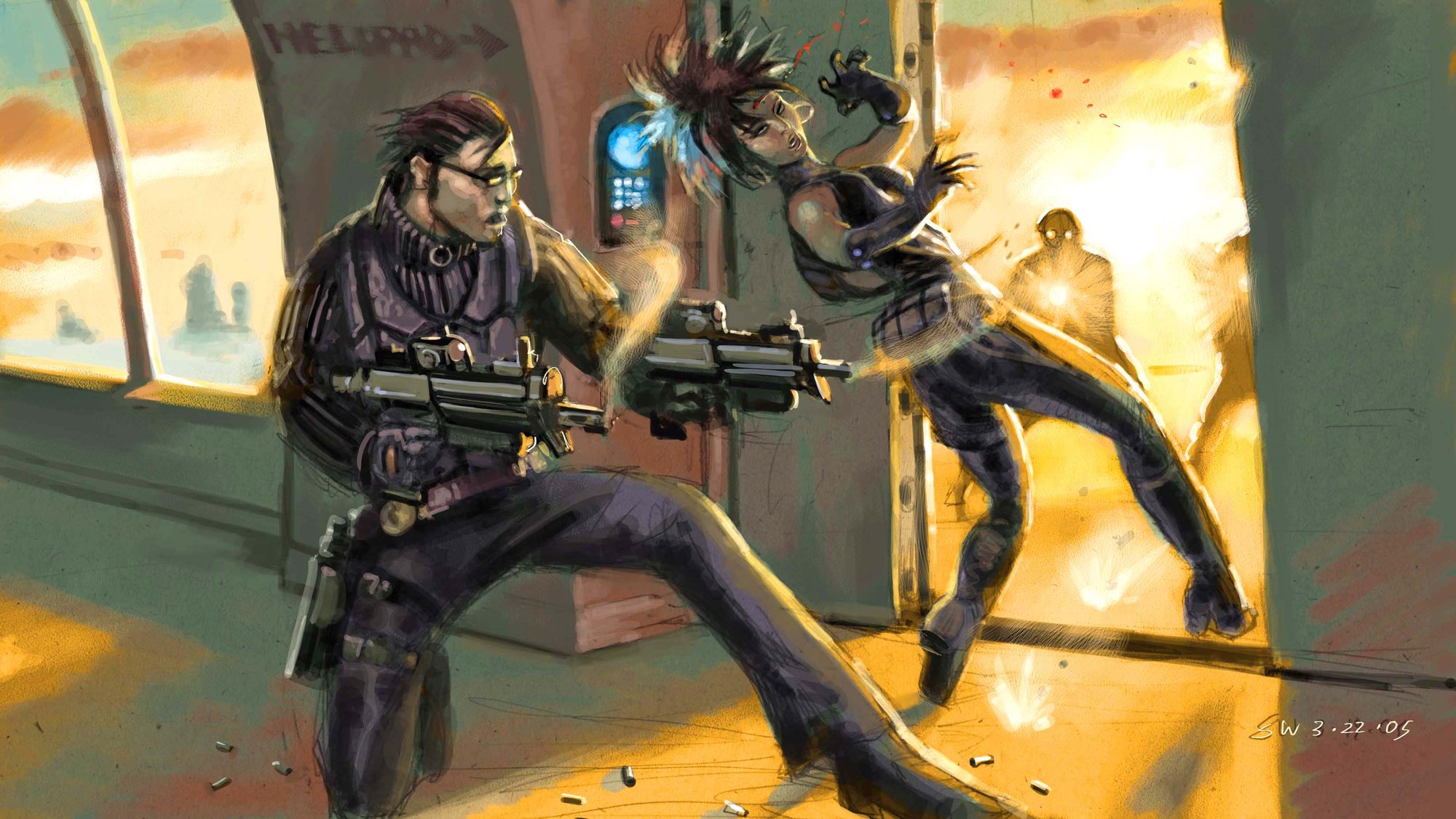
Hal coined the term Bruckheimer for the over-the-top climax that should cap most, if not every, mission. Our first five-minute mission had an infiltration, a discovery, a firefight, the death of a comrade and a spectacular Bruckheimer to finish it off.
These three key action moments come from the animatic that guided our very first prototype in Unreal 3.
Characterful characters
With Unreal in hand, our tiny team of twelve spent the next four months on two gameplay prototypes. That's when the two player factions, UNITE and ParaGON, began to evolve, along with the ideas of public space and private instances.
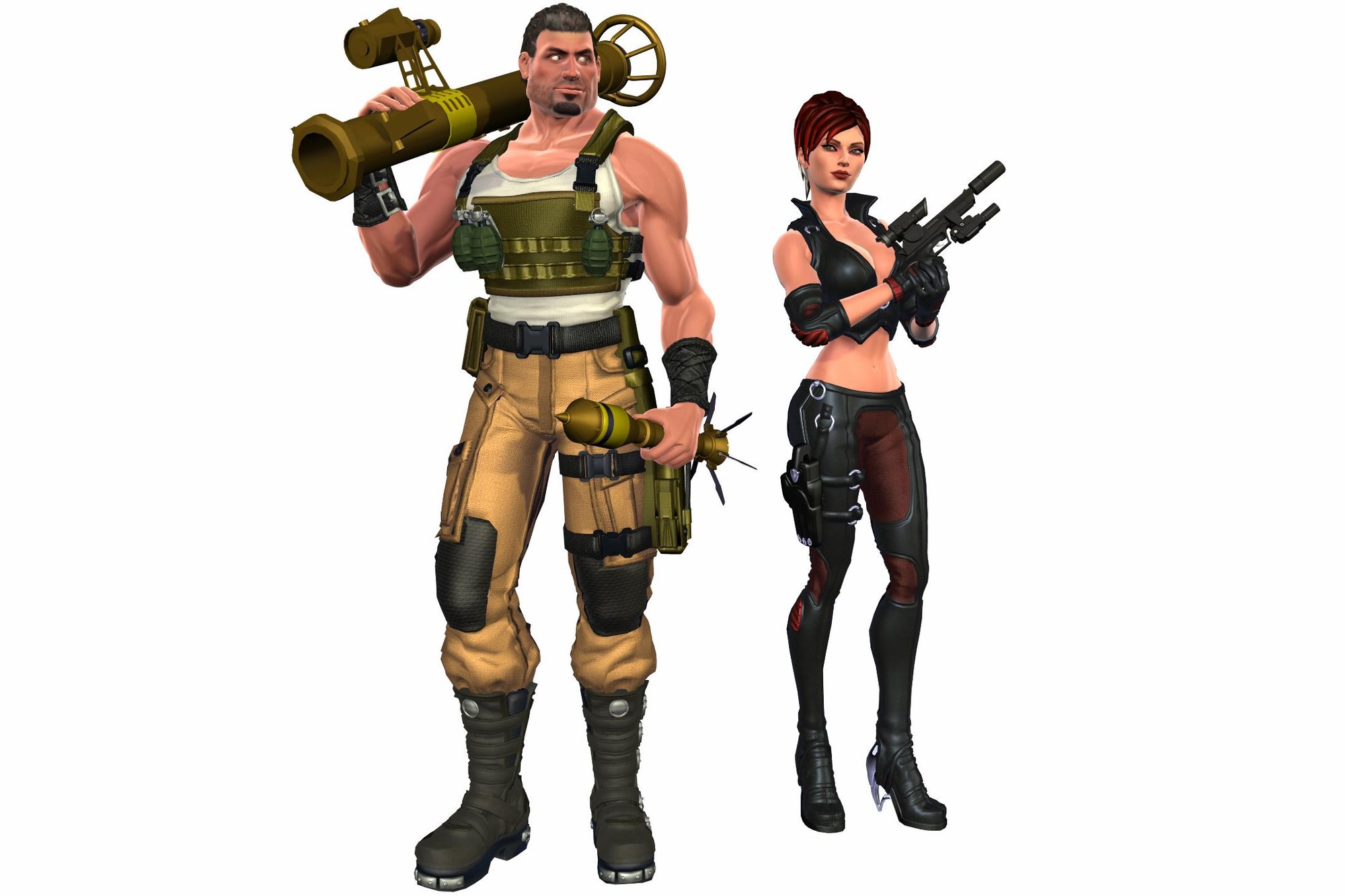
Those prototypes proved gameplay. Next we took a six-week milestone purely for character, to set the quality bar for production values. And thus, Duncan was born.
Refining the direction
With Duncan and Cassie as our iconic spokesmodels and solid design principles proven in playable prototypes, I was free to attack the remaining visual challenges. The prototypes also told us our budget estimates had to come down.
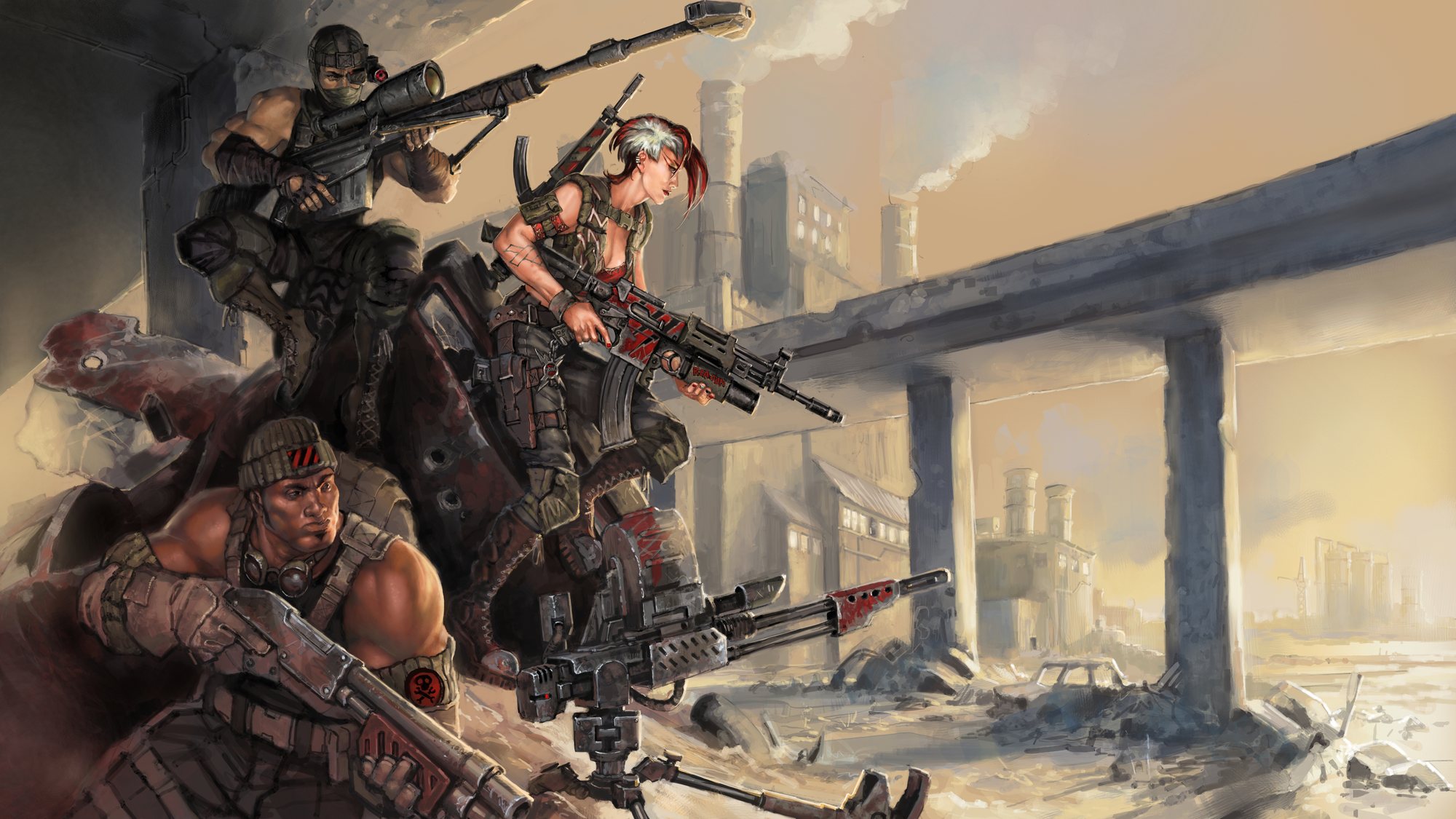
The Agency is an action MMO with real shooter gameplay, so frame rate was critical. And players could live the life from two perspectives: the upscale, sophisticated super spies of UNITE or the hardcore, rough-and-tumble mercenaries of ParaGON. We had to design cleverly within constraints and still give players the freedom of expression they expect from an MMO.
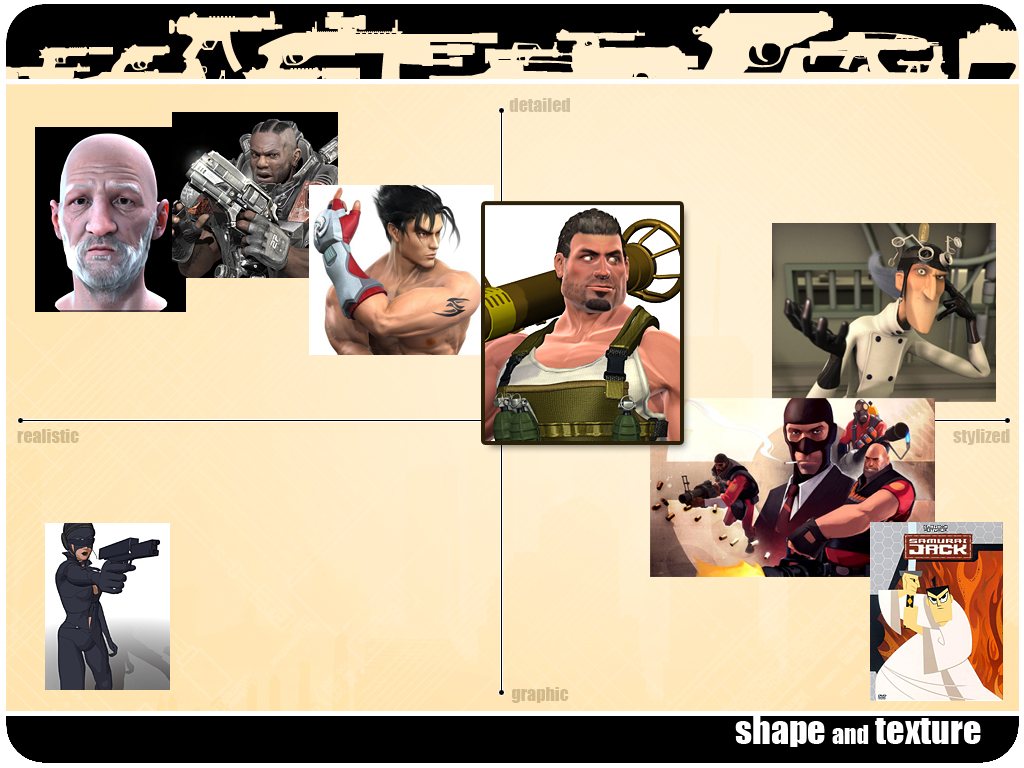
So we embraced our technical limits with a style that emphasized shape and color and played down high-frequency detail. Drawing on vintage Bond posters, Danger Girl comics and Pixar's The Incredibles, we landed where style and modern graphics capabilities intersect.
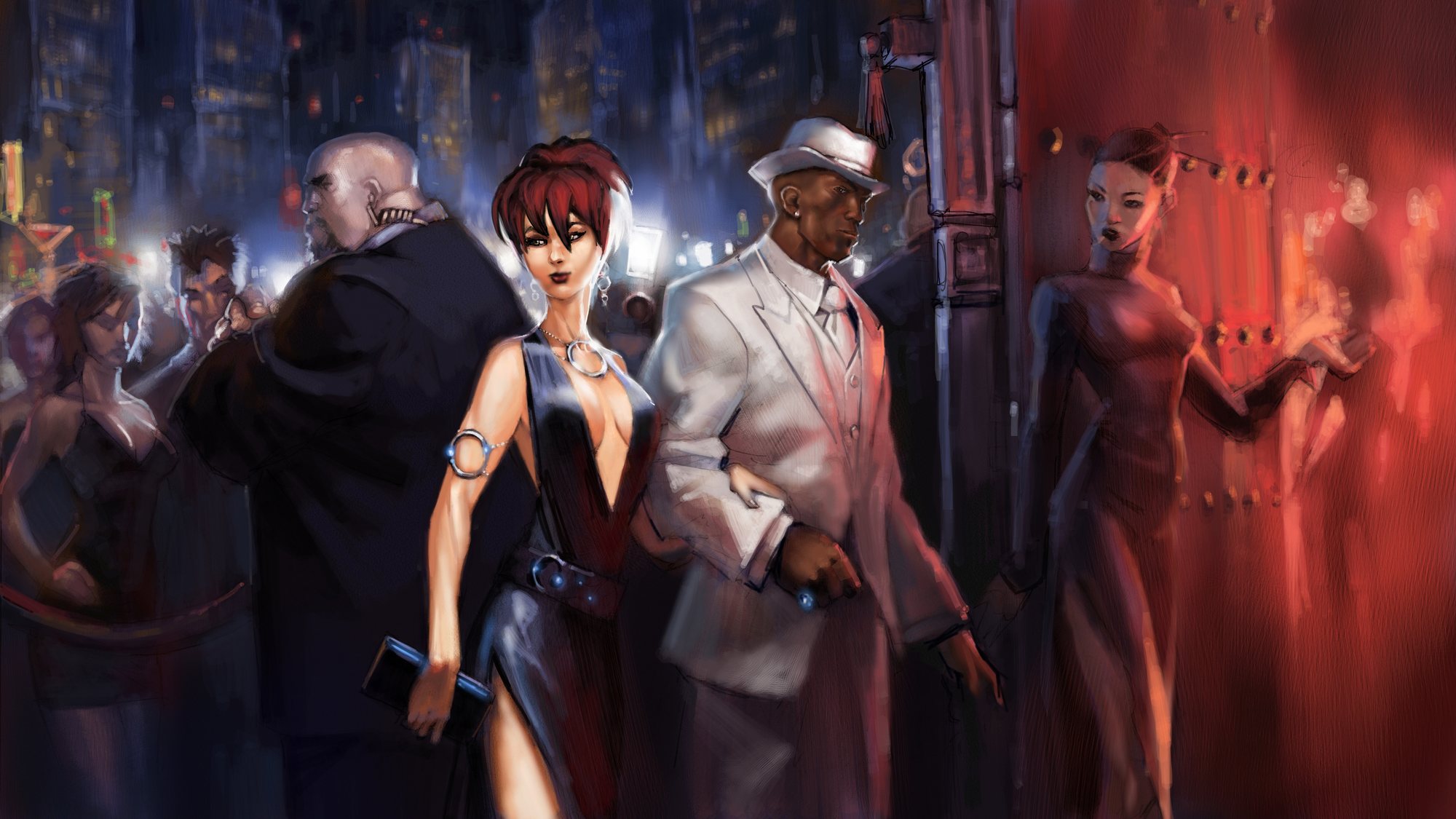
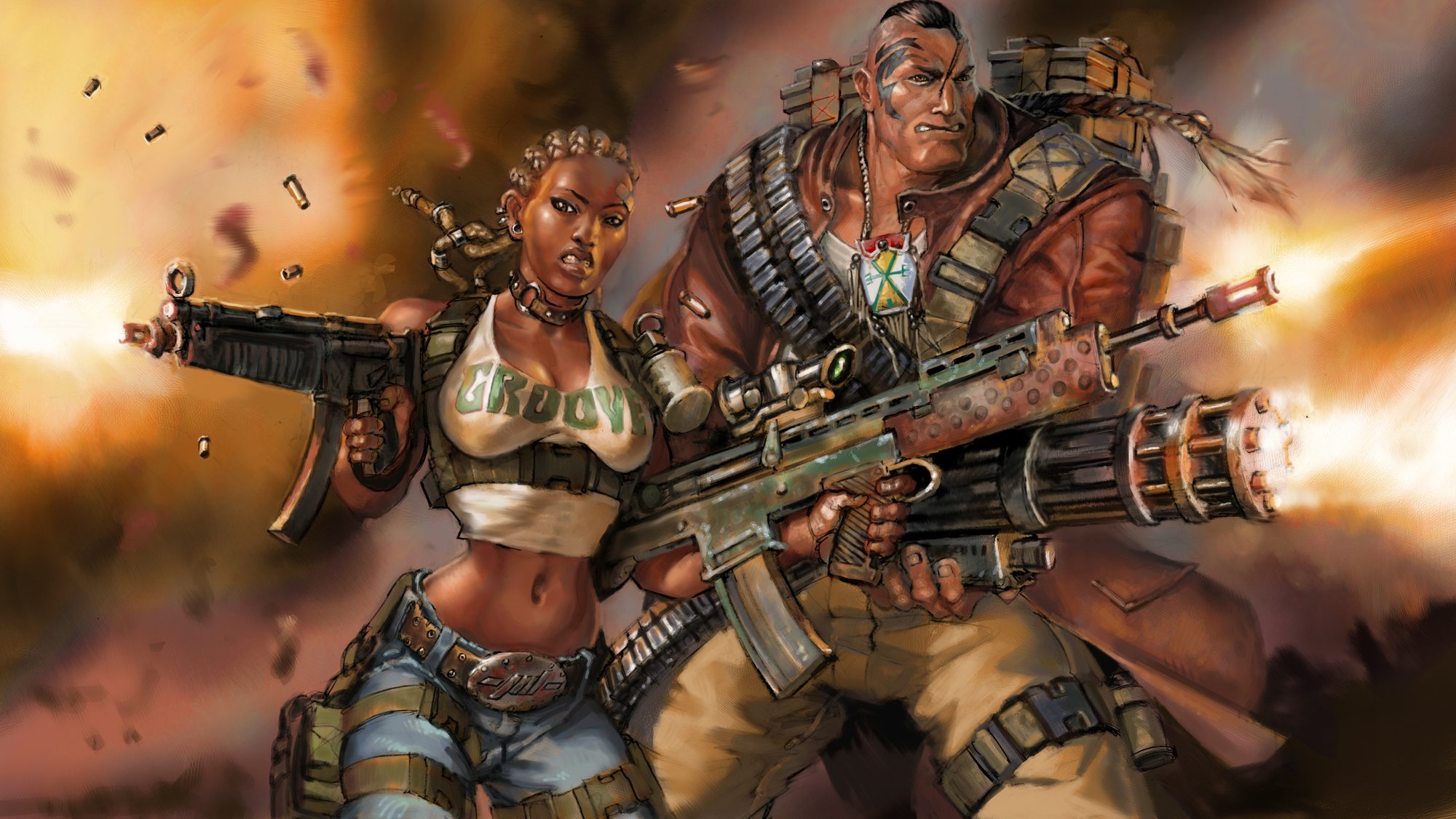
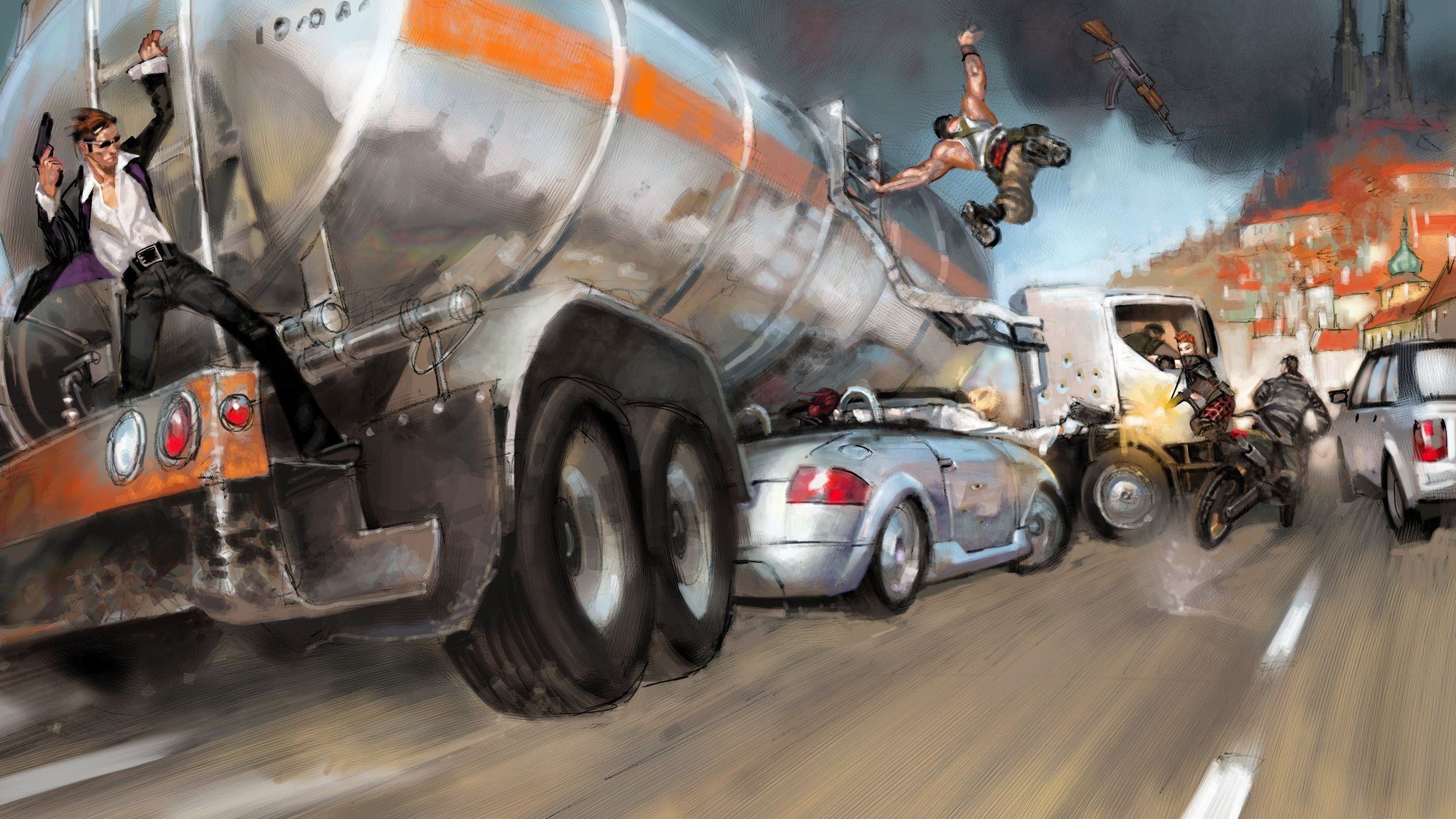
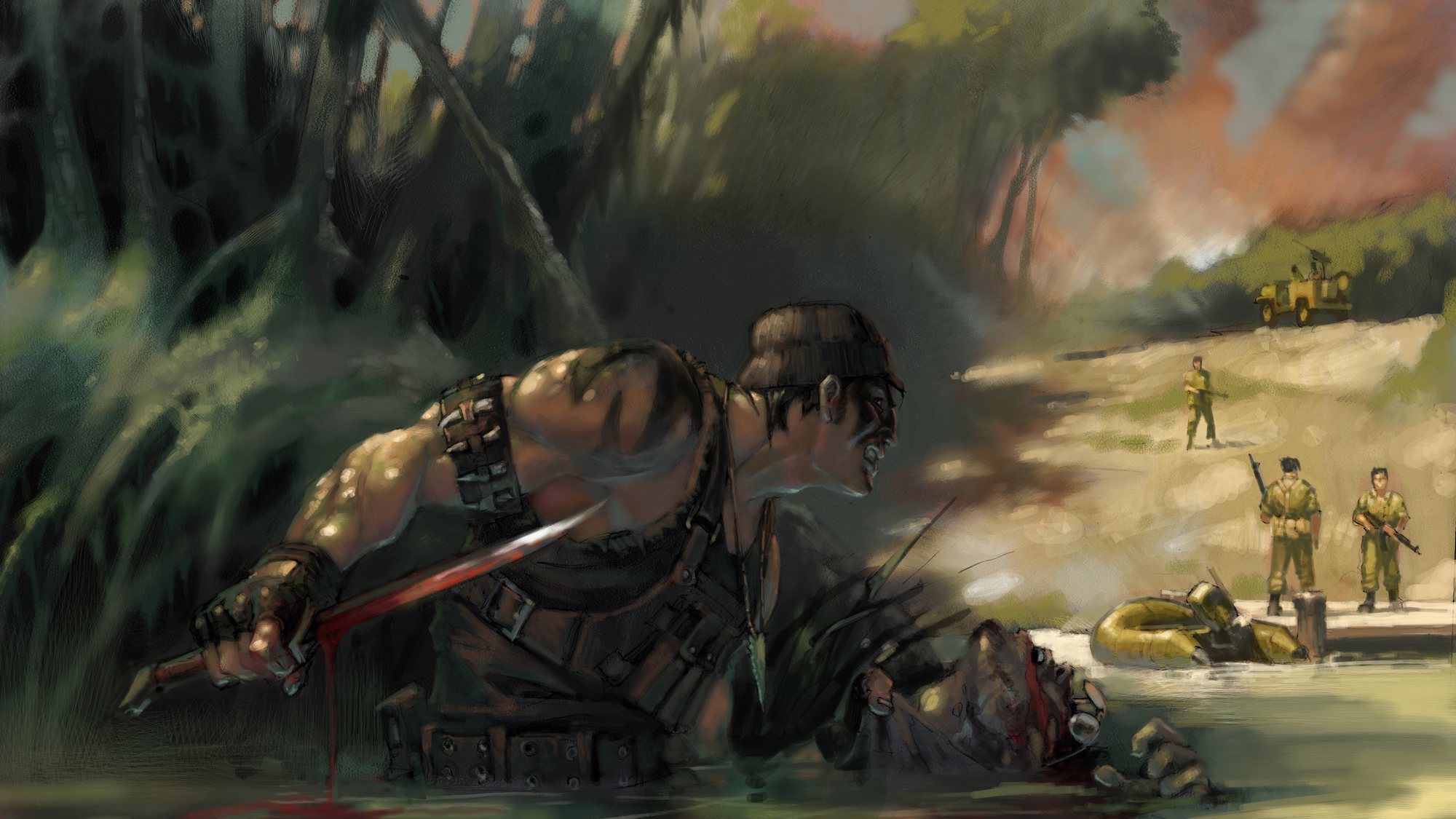
Two flavors
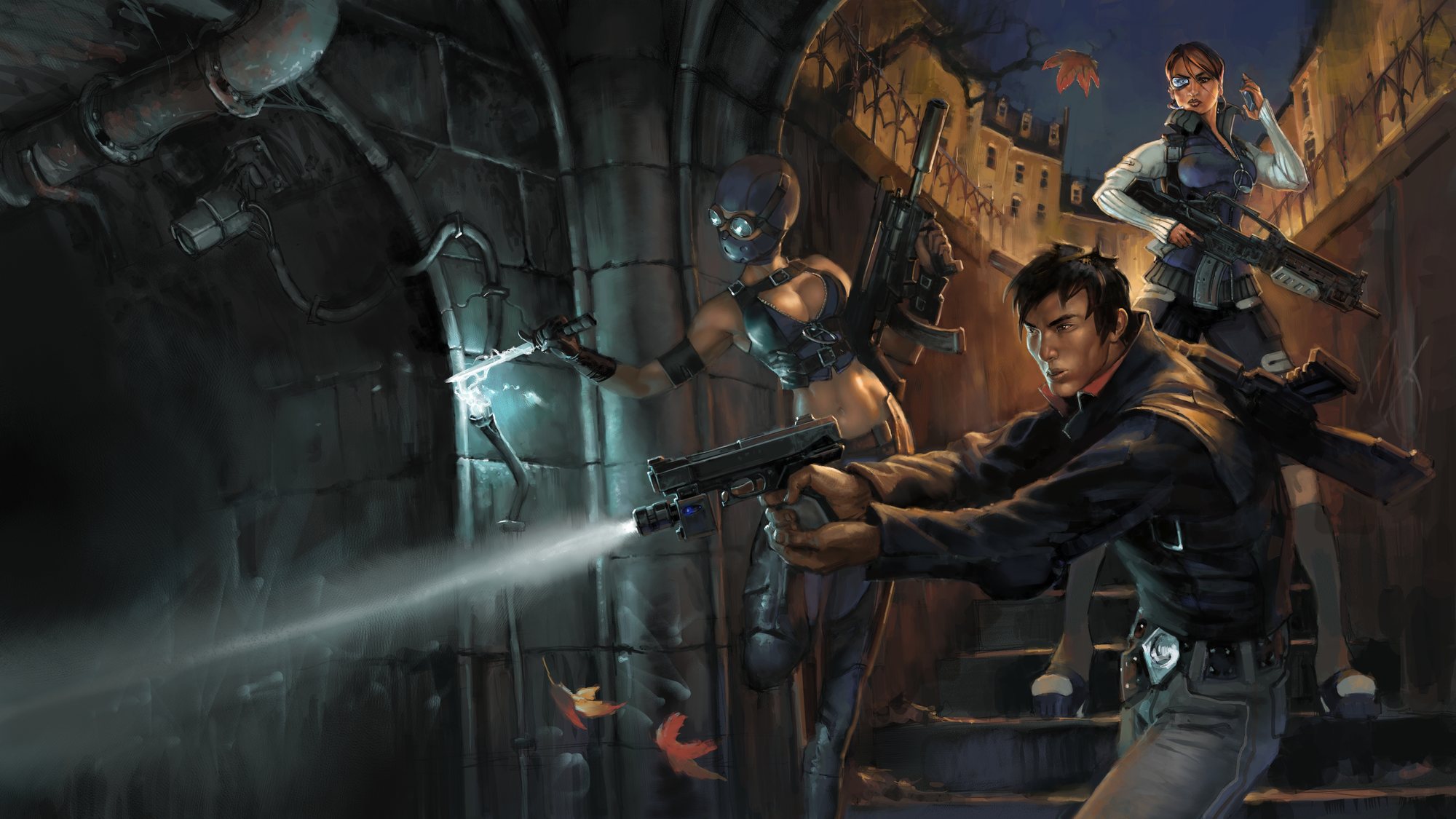
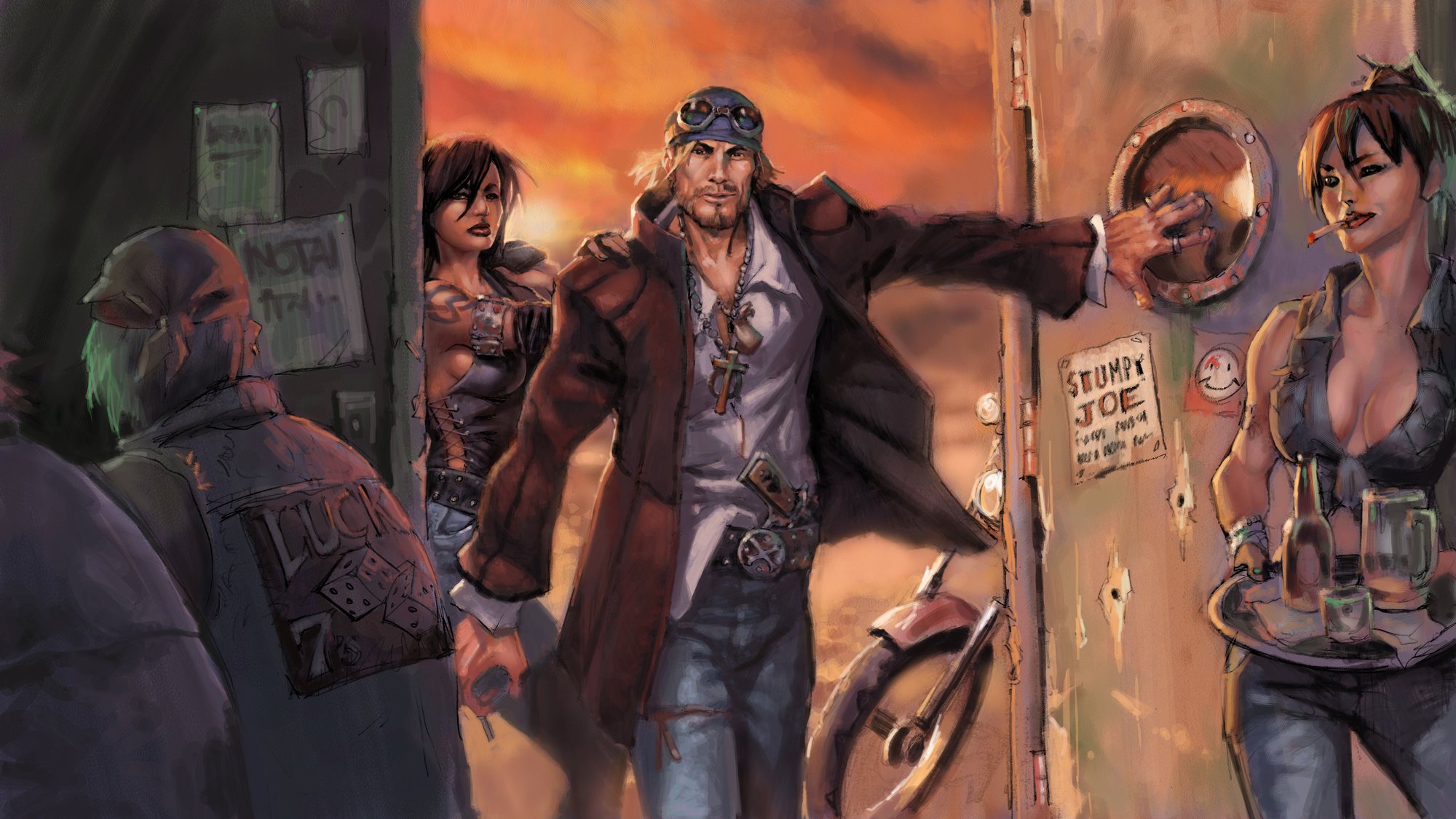
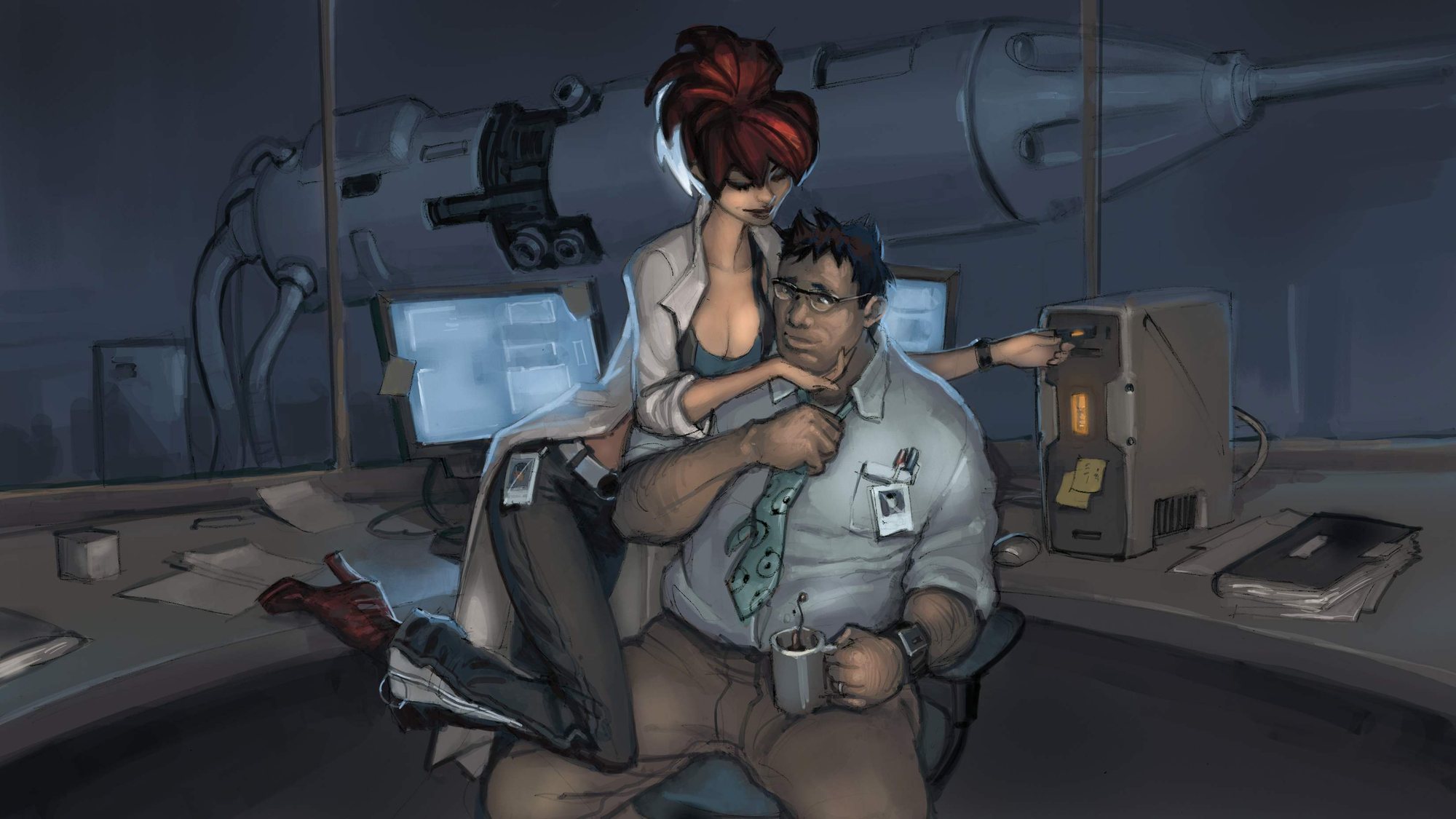
Action, adventure, intrigue… now in two flavors! You could pursue a career from either side, so every game pillar had to be explored twice.
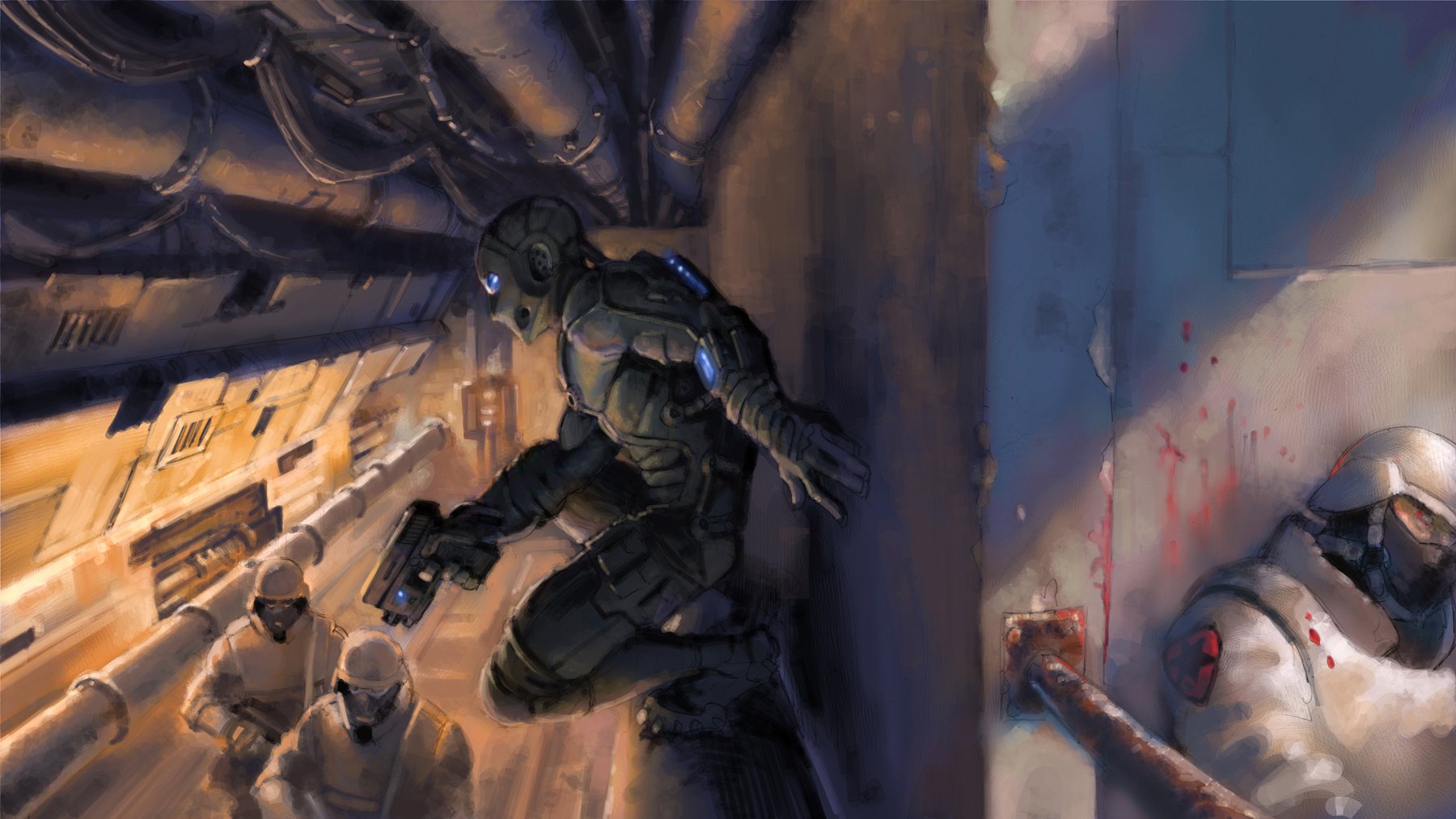
Early on I worked with Sam Wood to define what it looks like to play as a team, walk into a party, get into combat and sneak around, as both ParaGON and UNITE.
Action moments
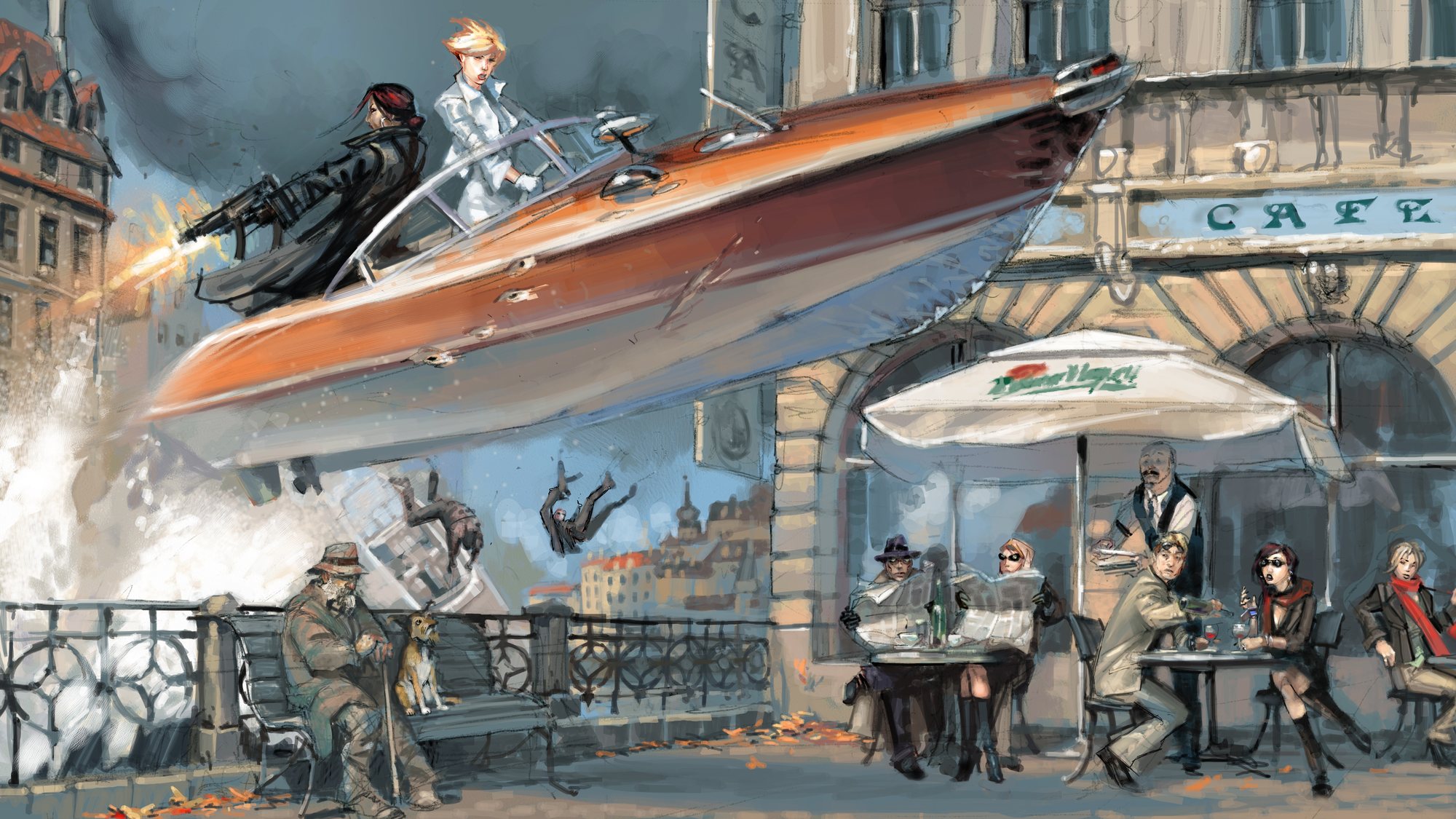
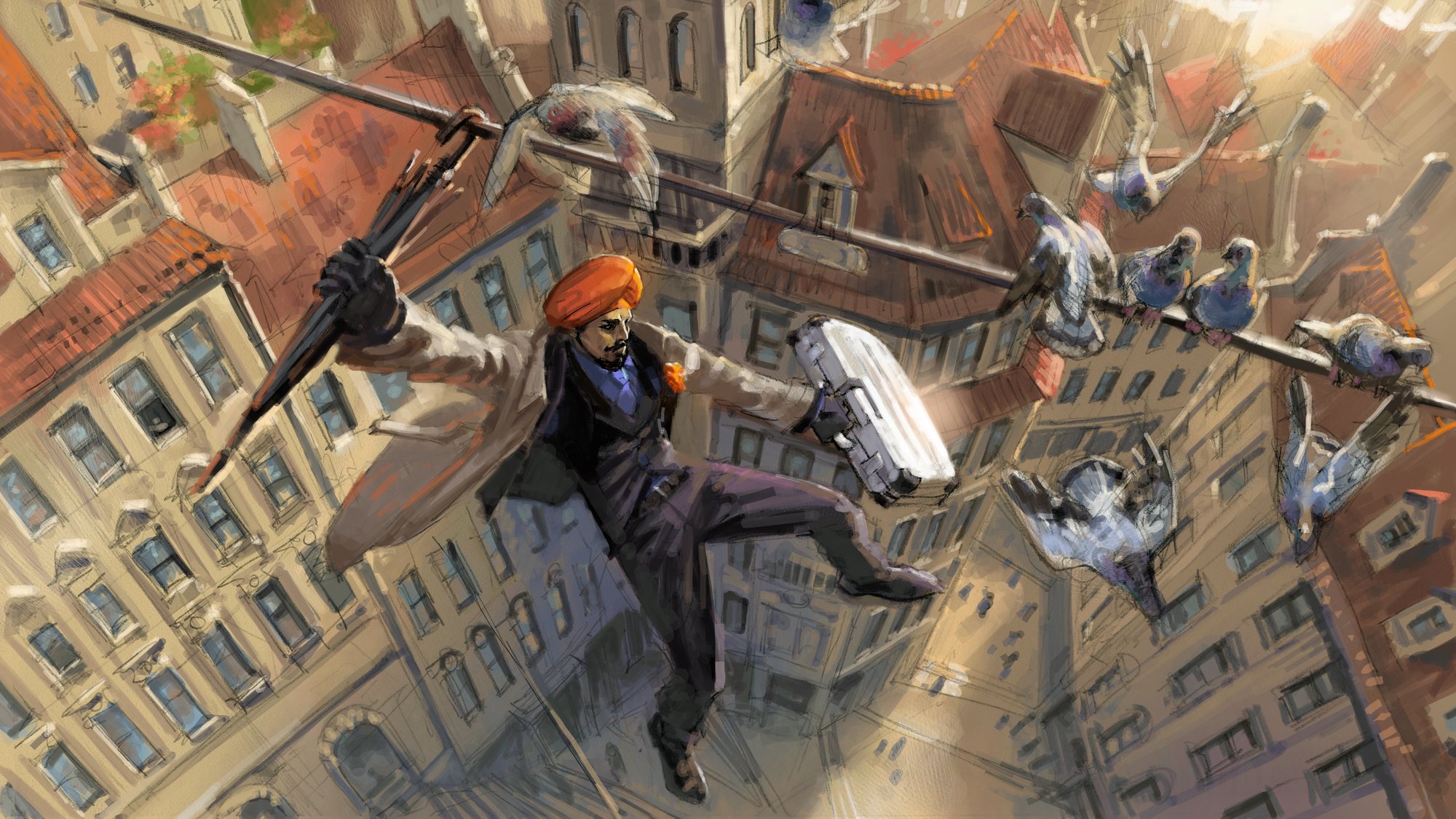
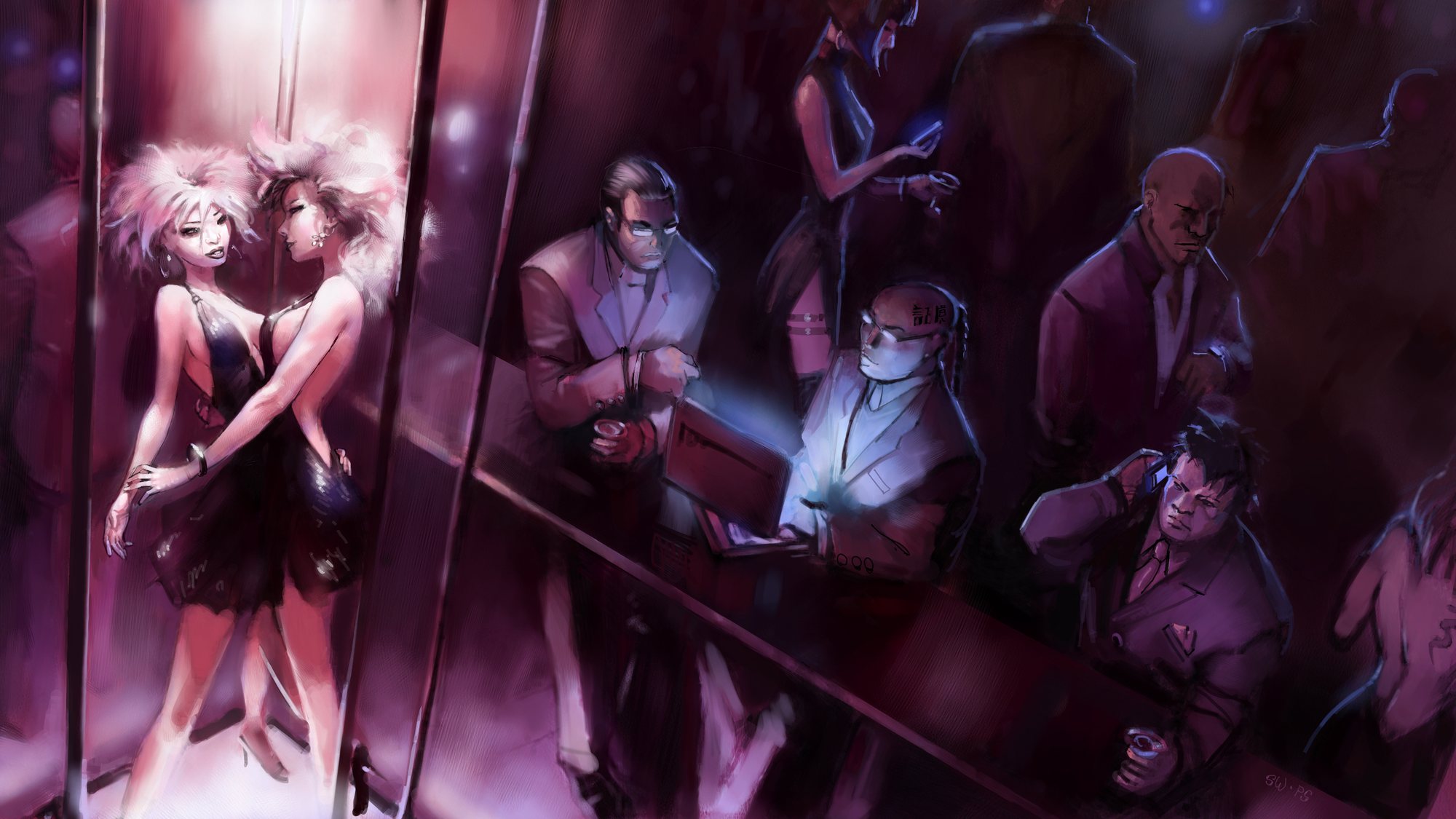
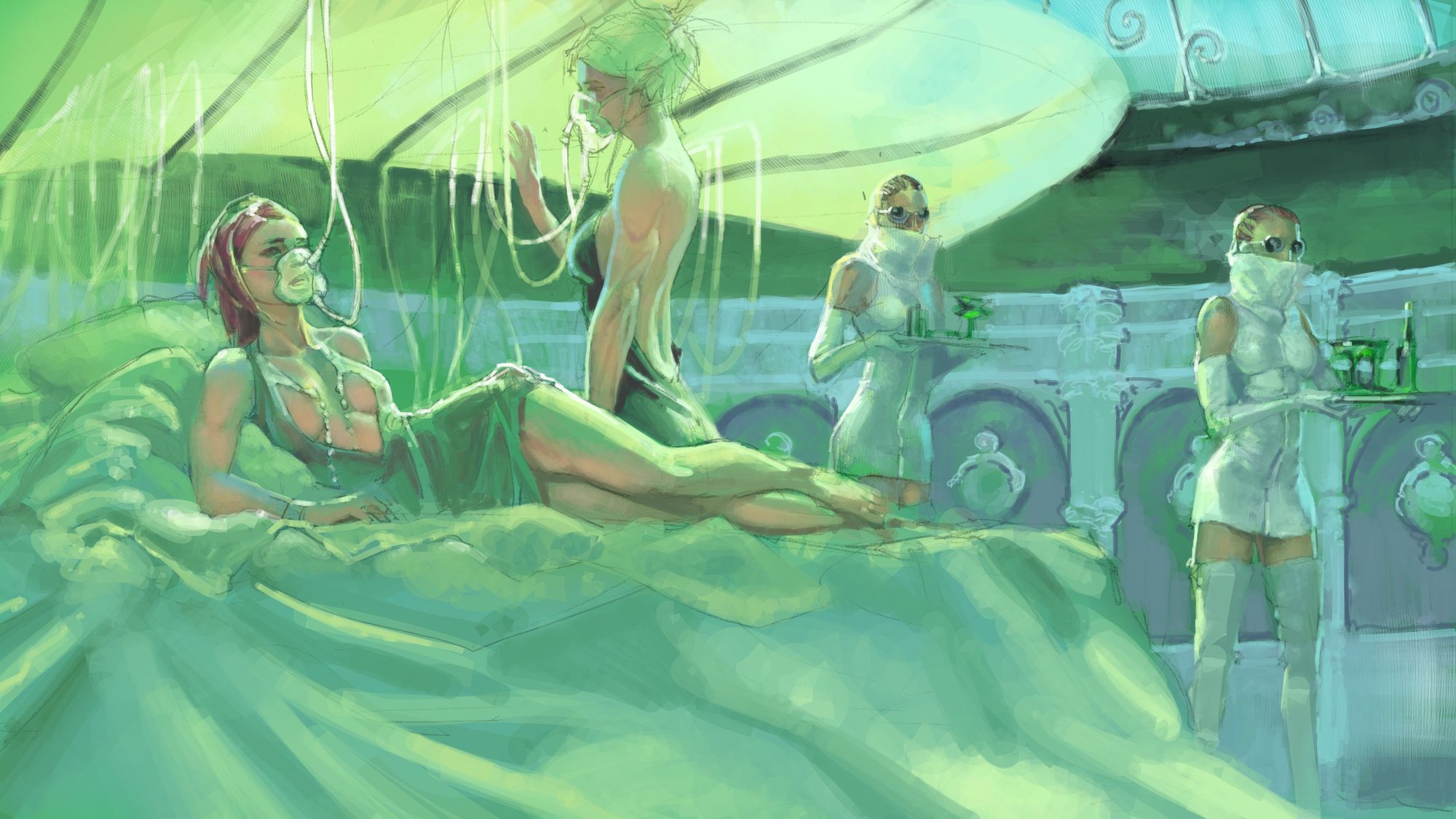
With the perspectives defined, I wanted to illustrate a handful of experiences every player should have. We knew we needed a chase, and concept art isn't bound by technical limits, so we set the bar high: a speedboat chase down a canal in Prague and a daring zip-line escape.
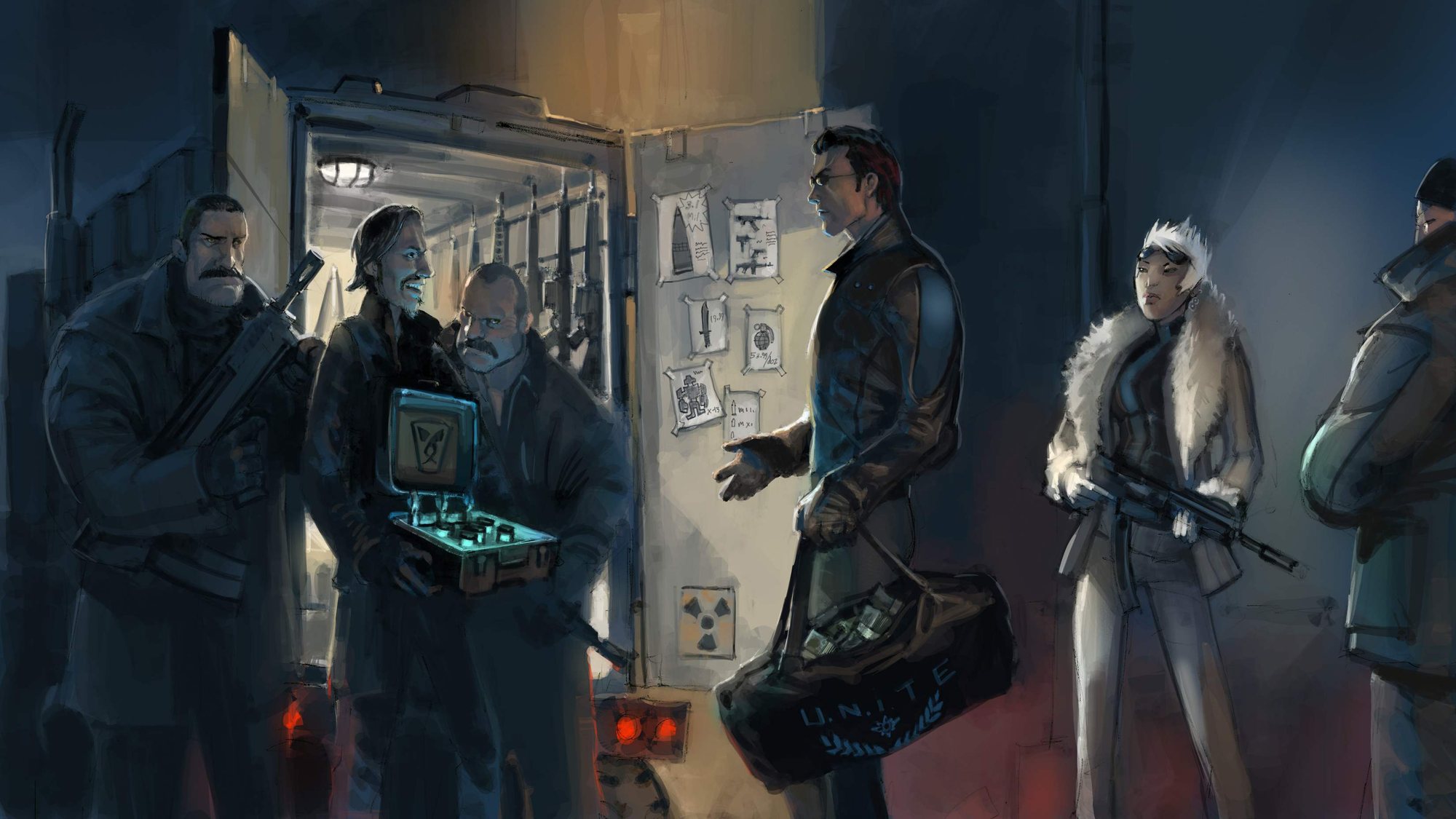
Then something more sedate for the intrigue side of the Agency: a black-market purchase of biological weapons material, and a seductive infiltration to steal schematics for a prototype laser.
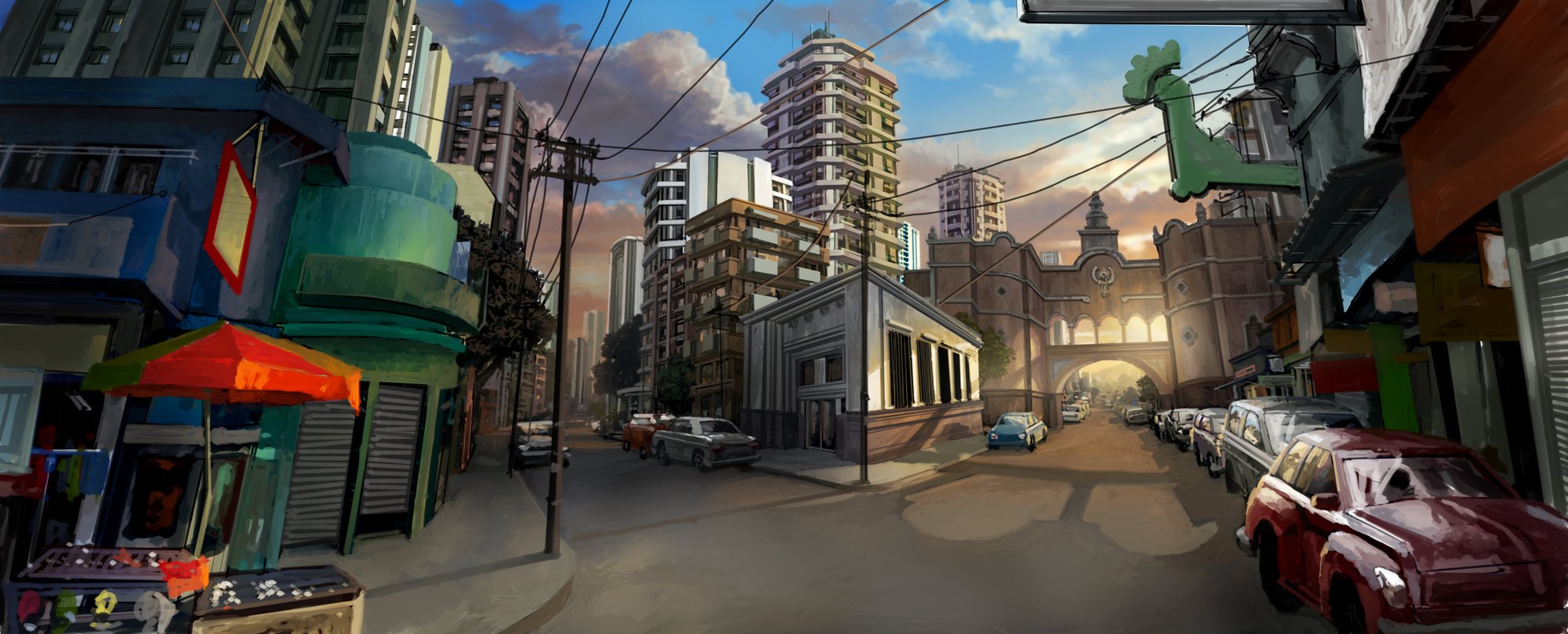
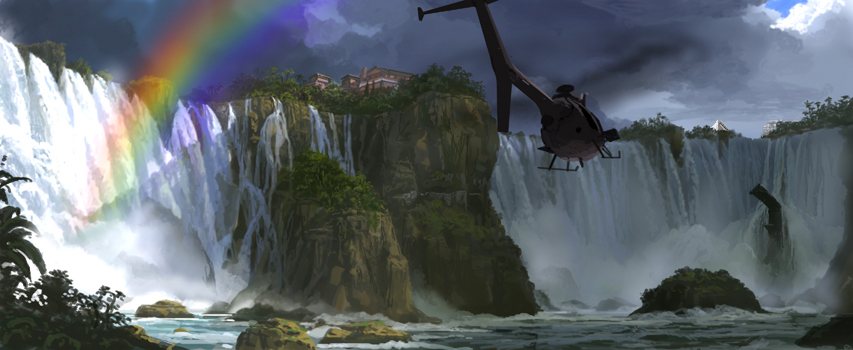
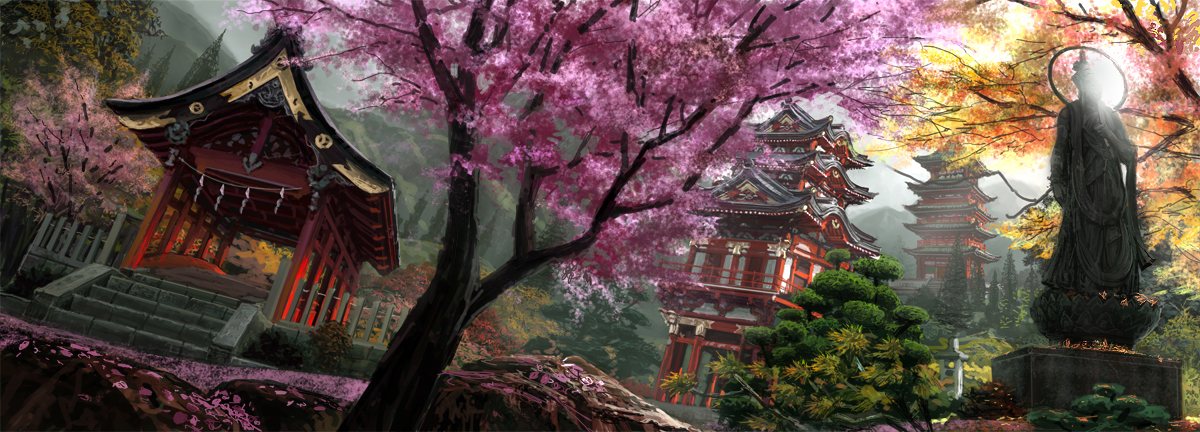
Exotic locales
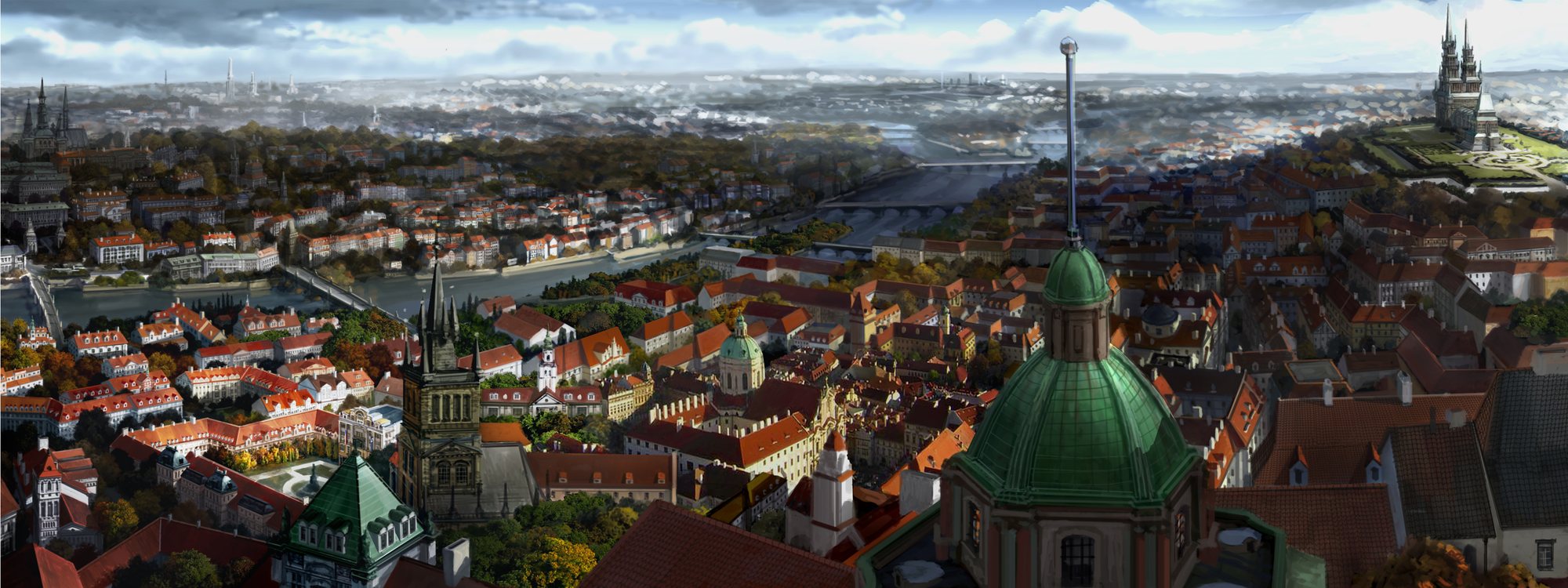
Bond jet-sets to exotic places, so our agents would too. We picked destinations with intriguing but familiar names that shared enough architecture to build out the world for a reasonable investment.
Sexy nightlife, old-world Europe, Central America and picturesque settings define the Agency's world.
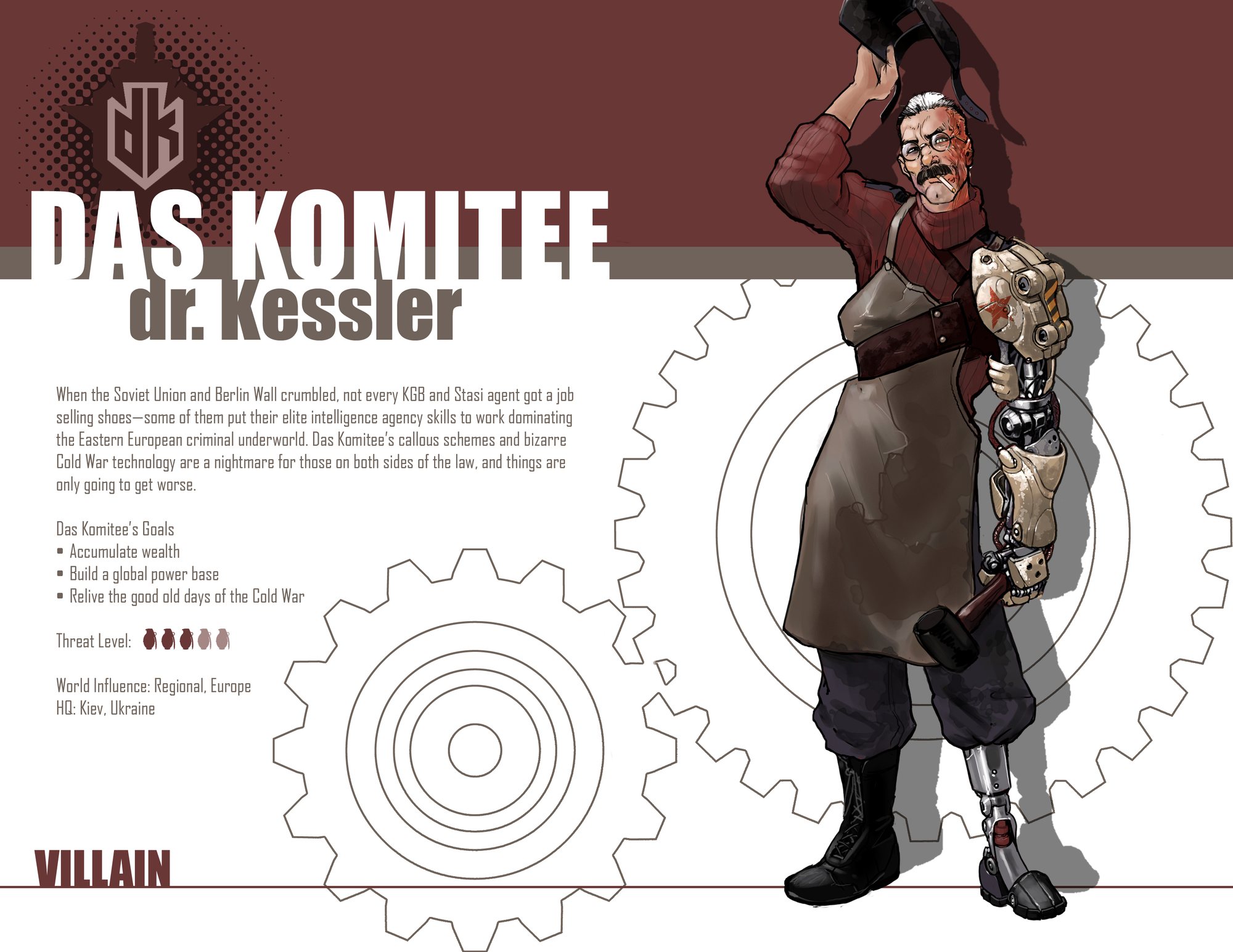
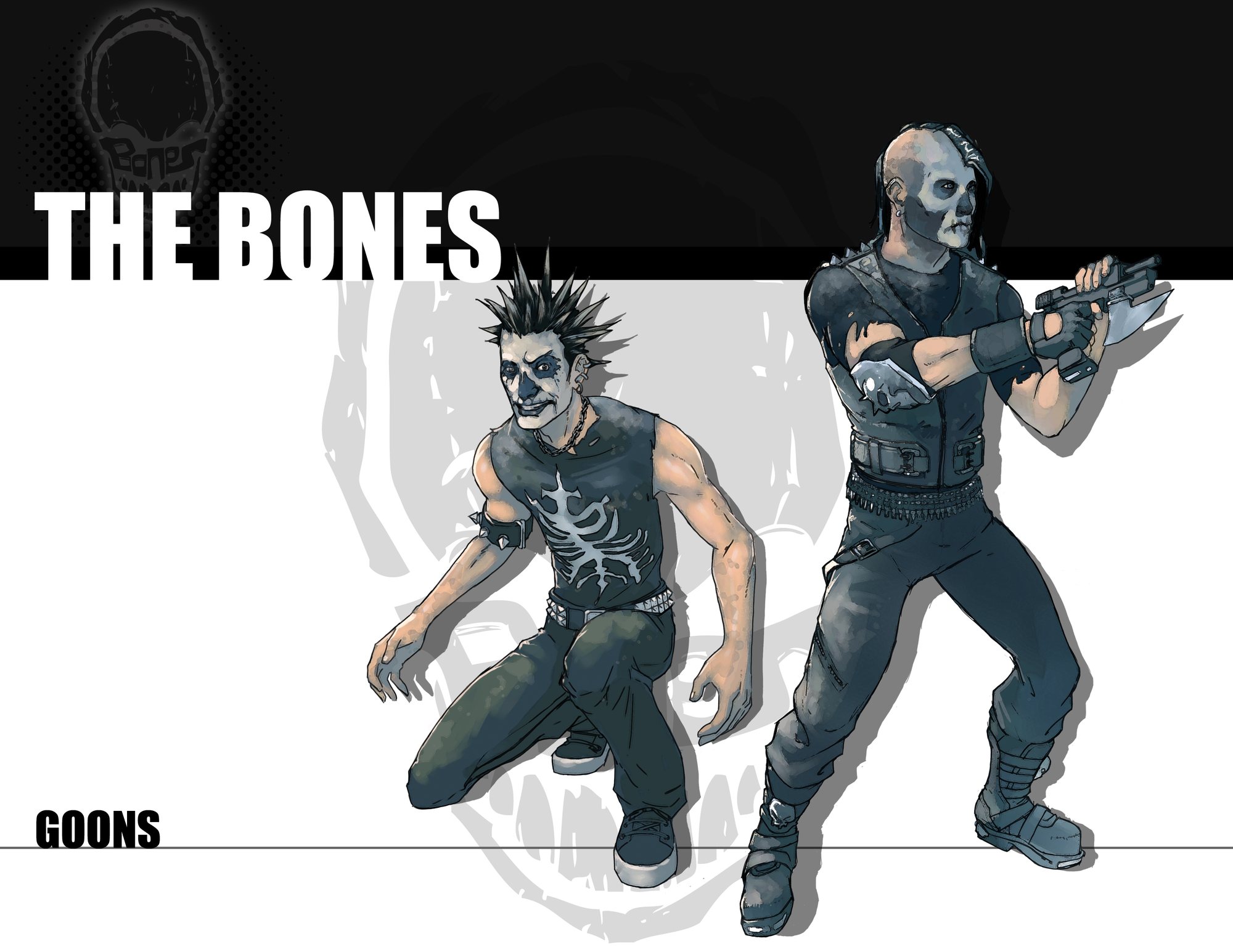
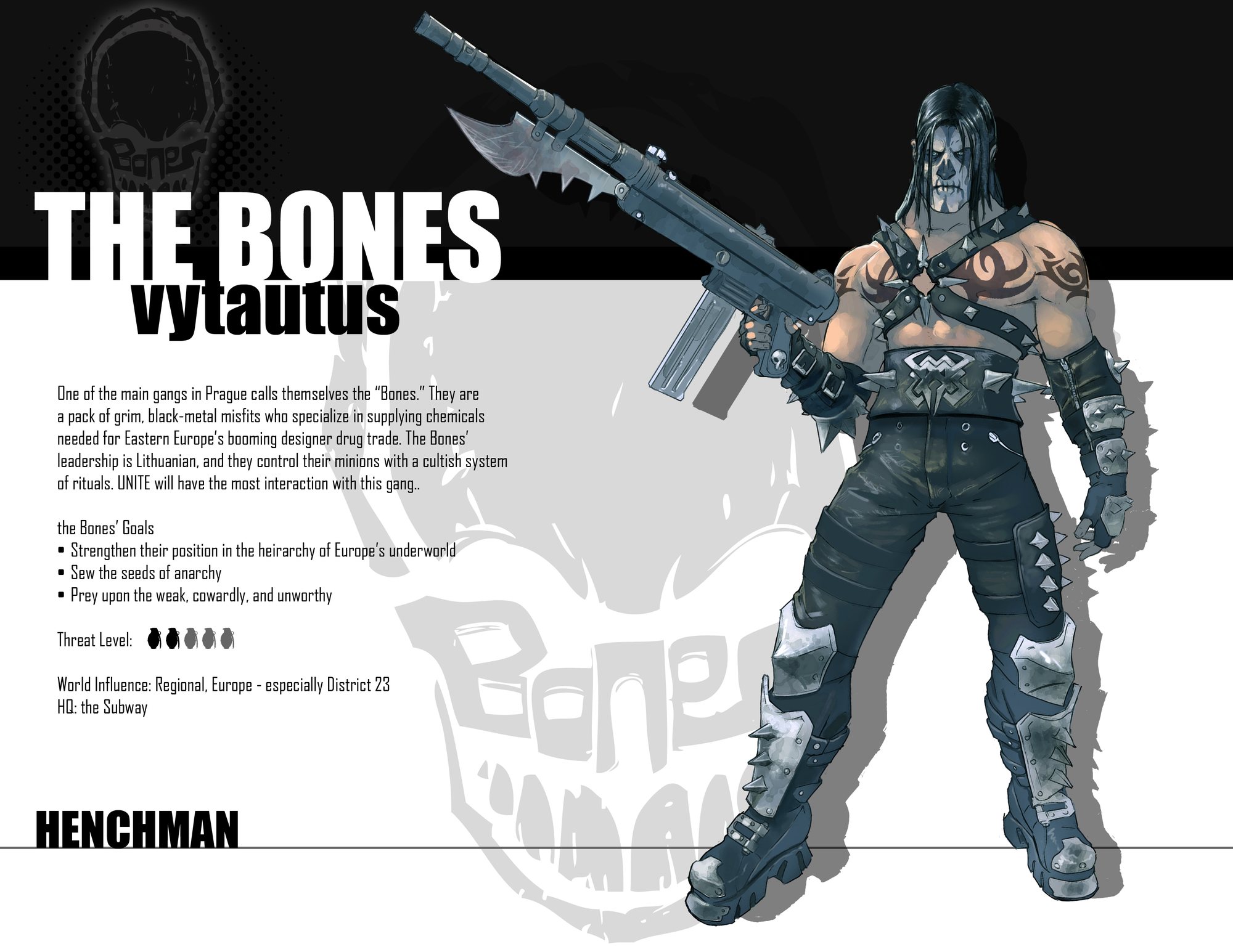
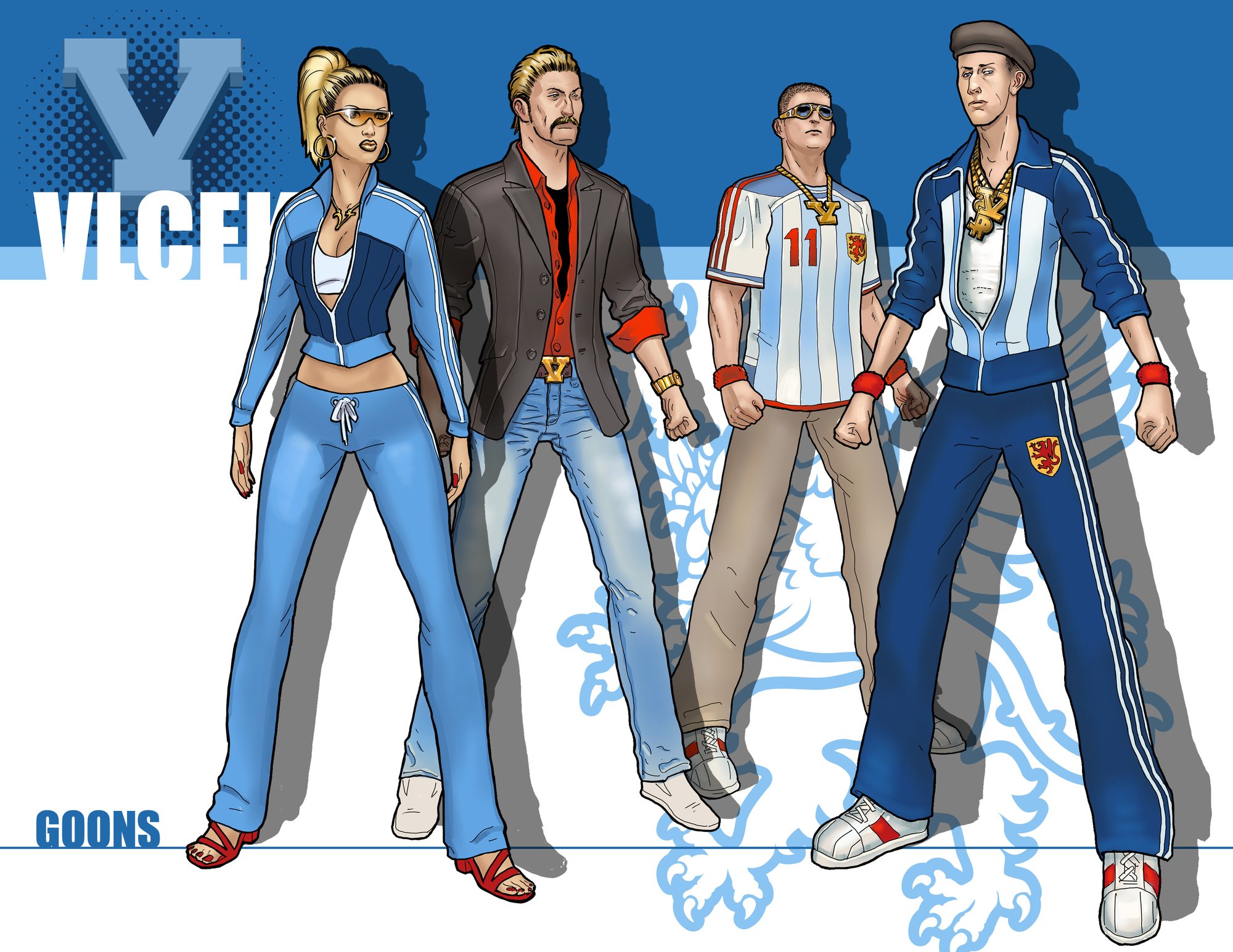
Villains
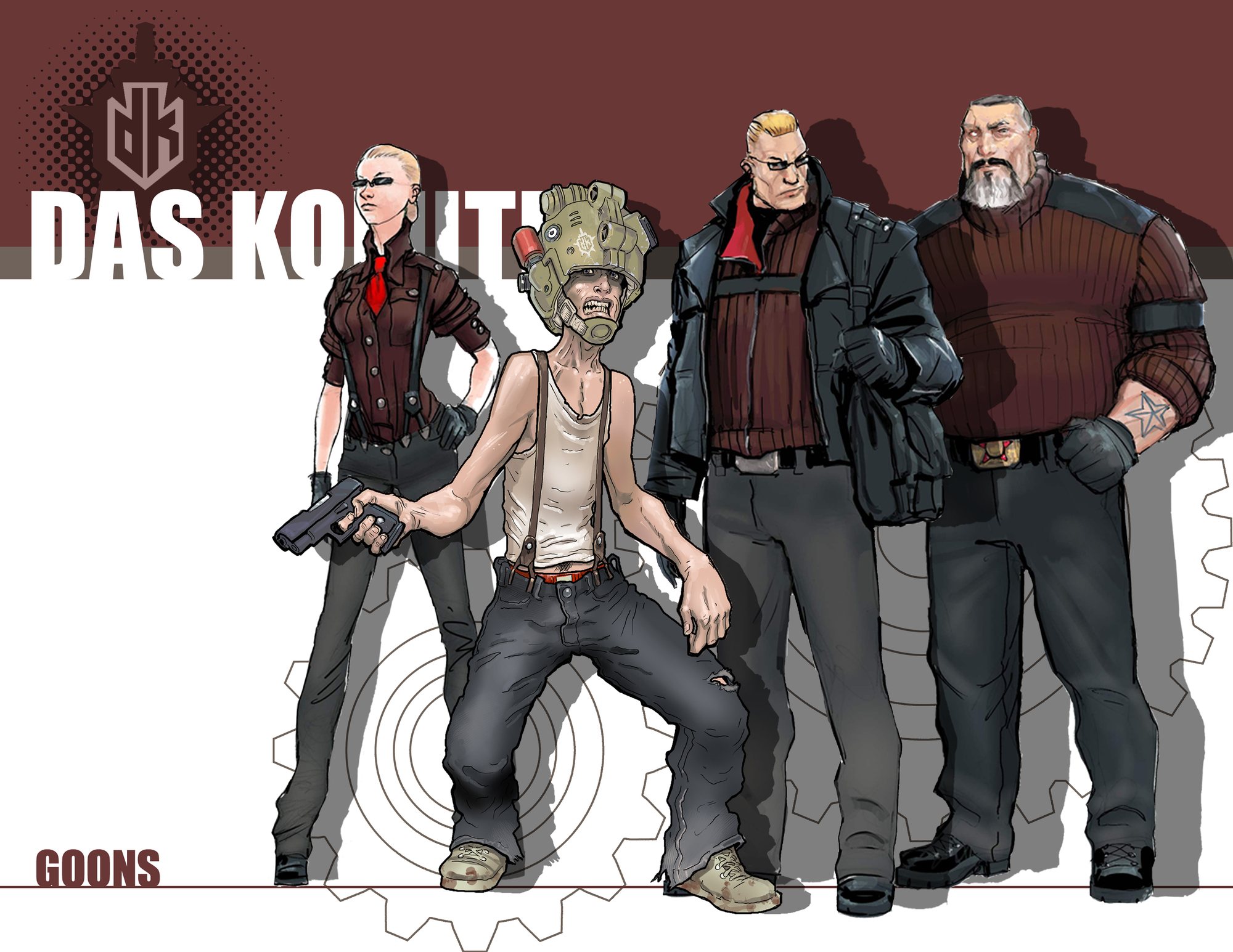
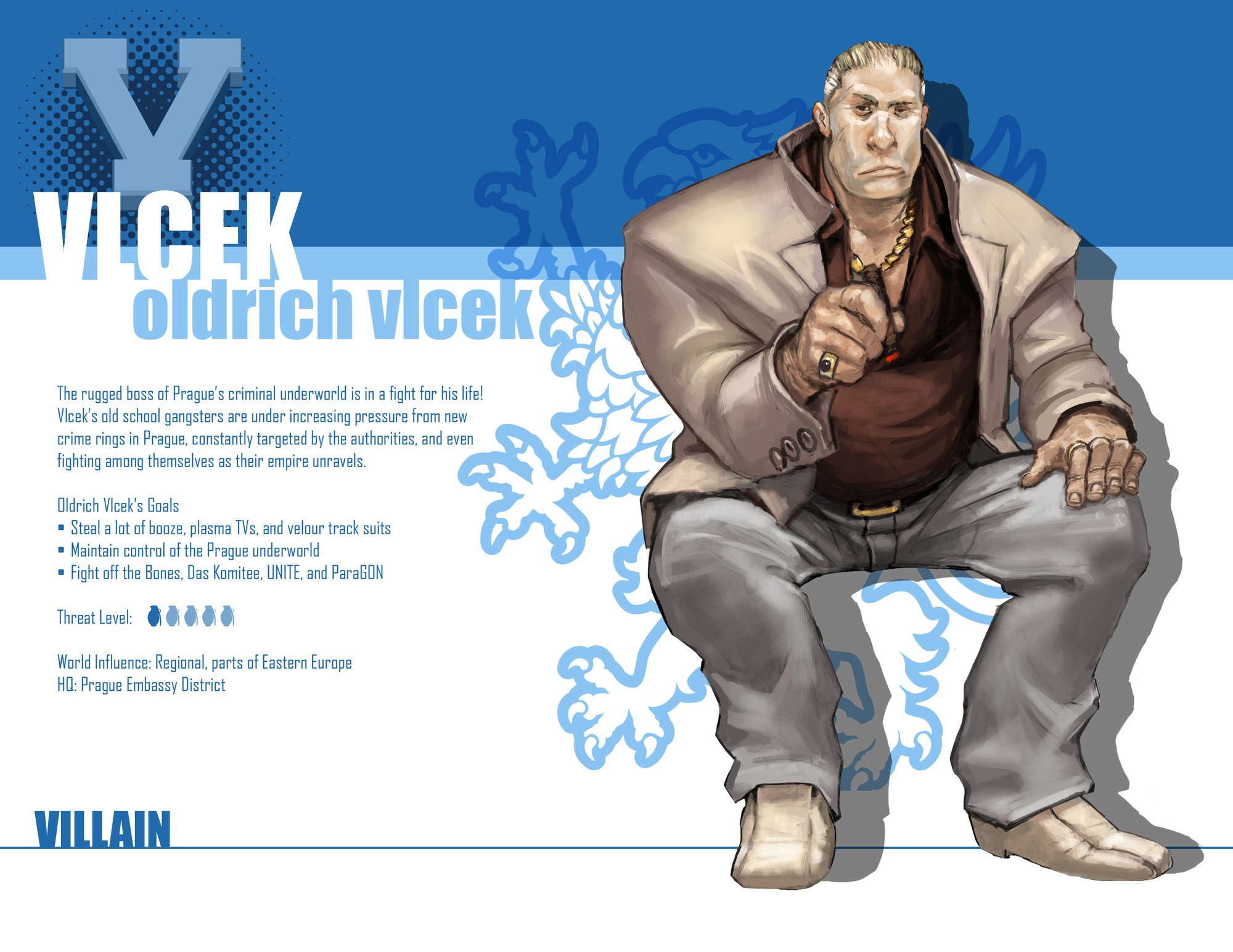
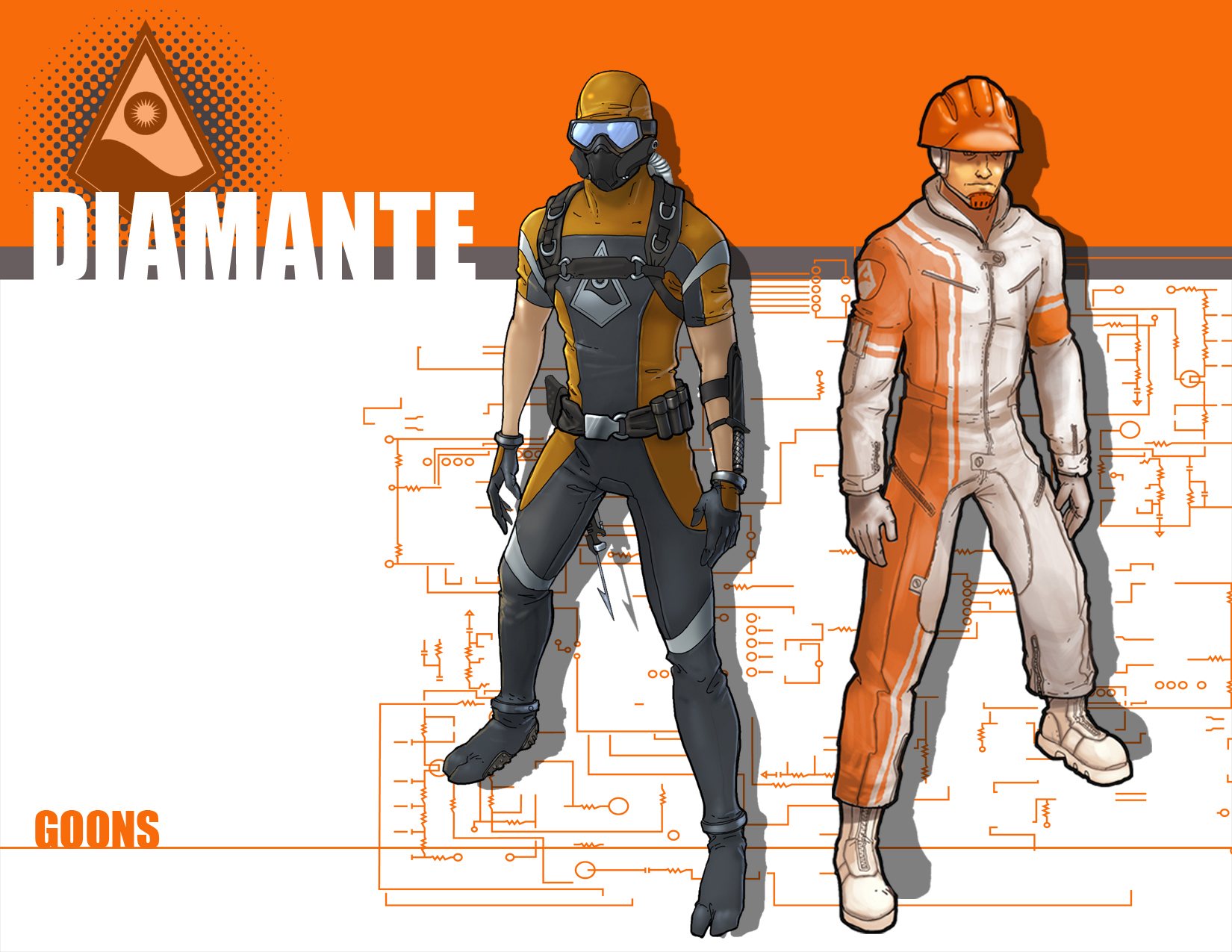
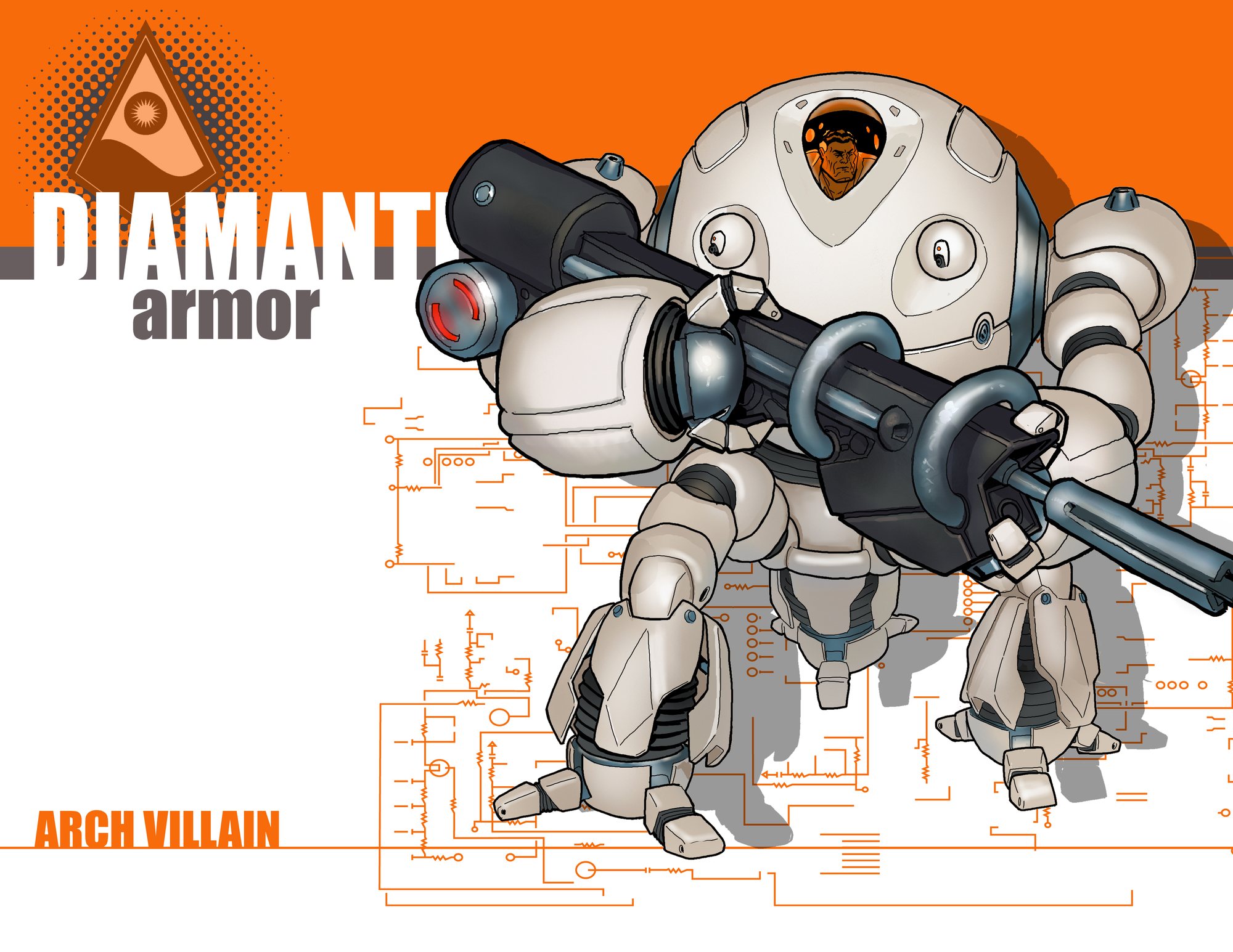
Now we're getting to my favorite part. I LOVE working on villains! Especially with artists like Sam Wood and Patrick Shettlesworth, and designers and writers like Hal Milton and Matt Staroscik. Design came up with plot lines and backstories, and I looked for iconic visual hooks to make each faction stand out. I wrote a fair amount too, adding personality to some characters and inventing others outright. A few minor factions earned bigger roles because their hooks were so strong (always with design's blessing).
I created a taxonomy of villainy that told the concept artists what a Boss, Henchman, Lieutenant and Goon should look like, with cues for combat, stealth and support roles. Each faction got its own logo and color palette. And to stretch the budget, we built as much faction clothing as possible from shared components (fatigues, dress slacks, boots), with texture and palette shifts keeping each faction unique and consistent.
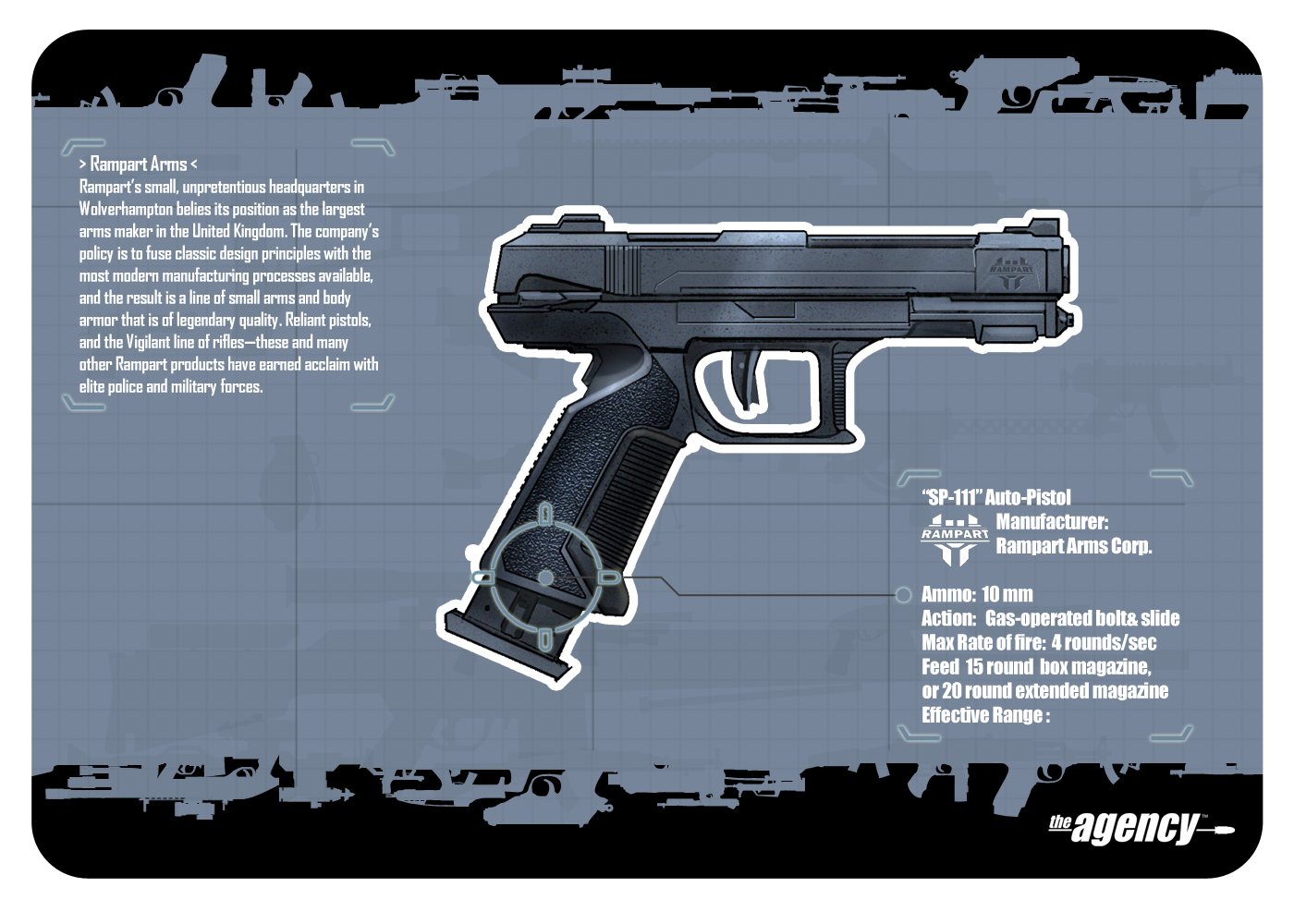
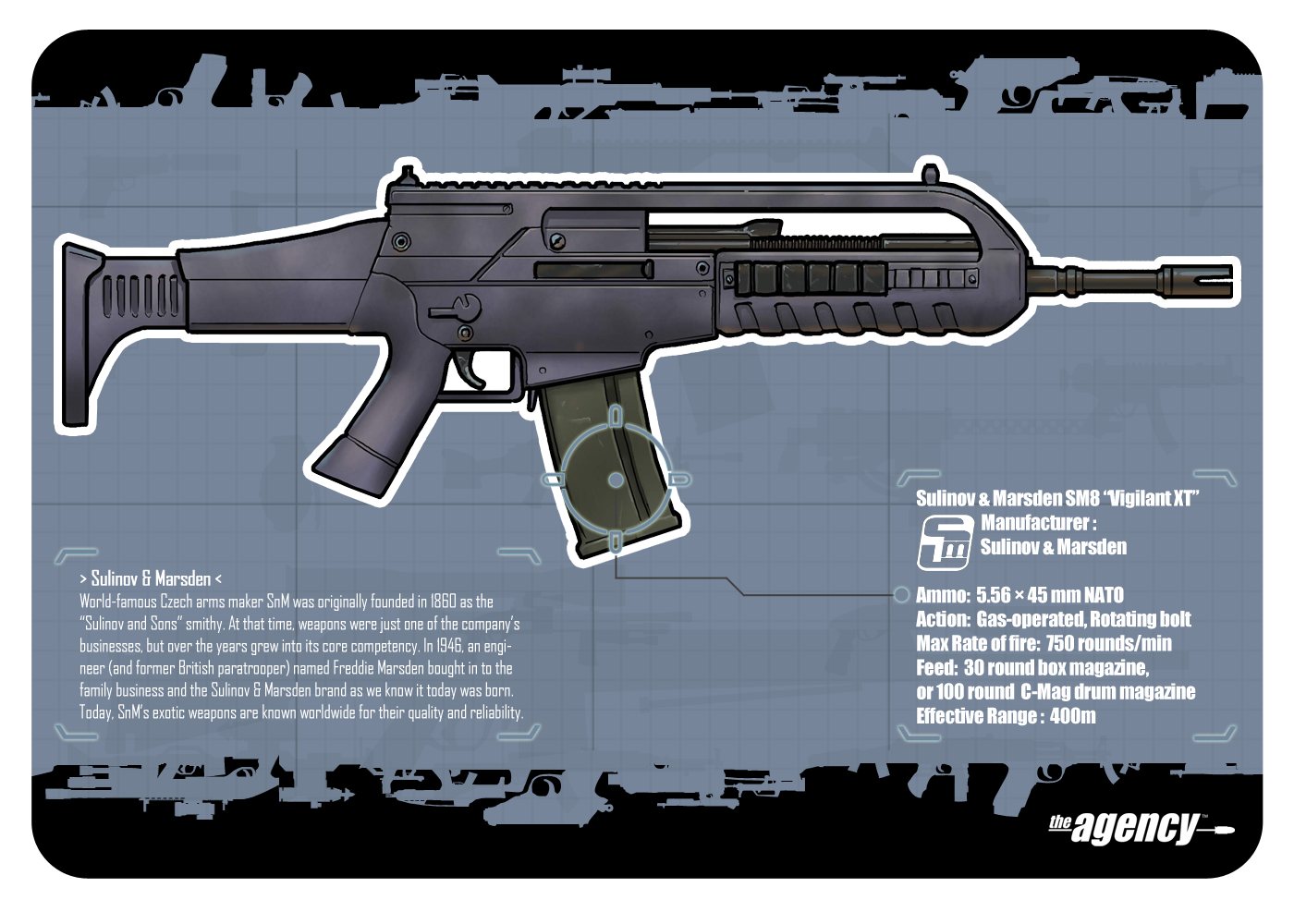
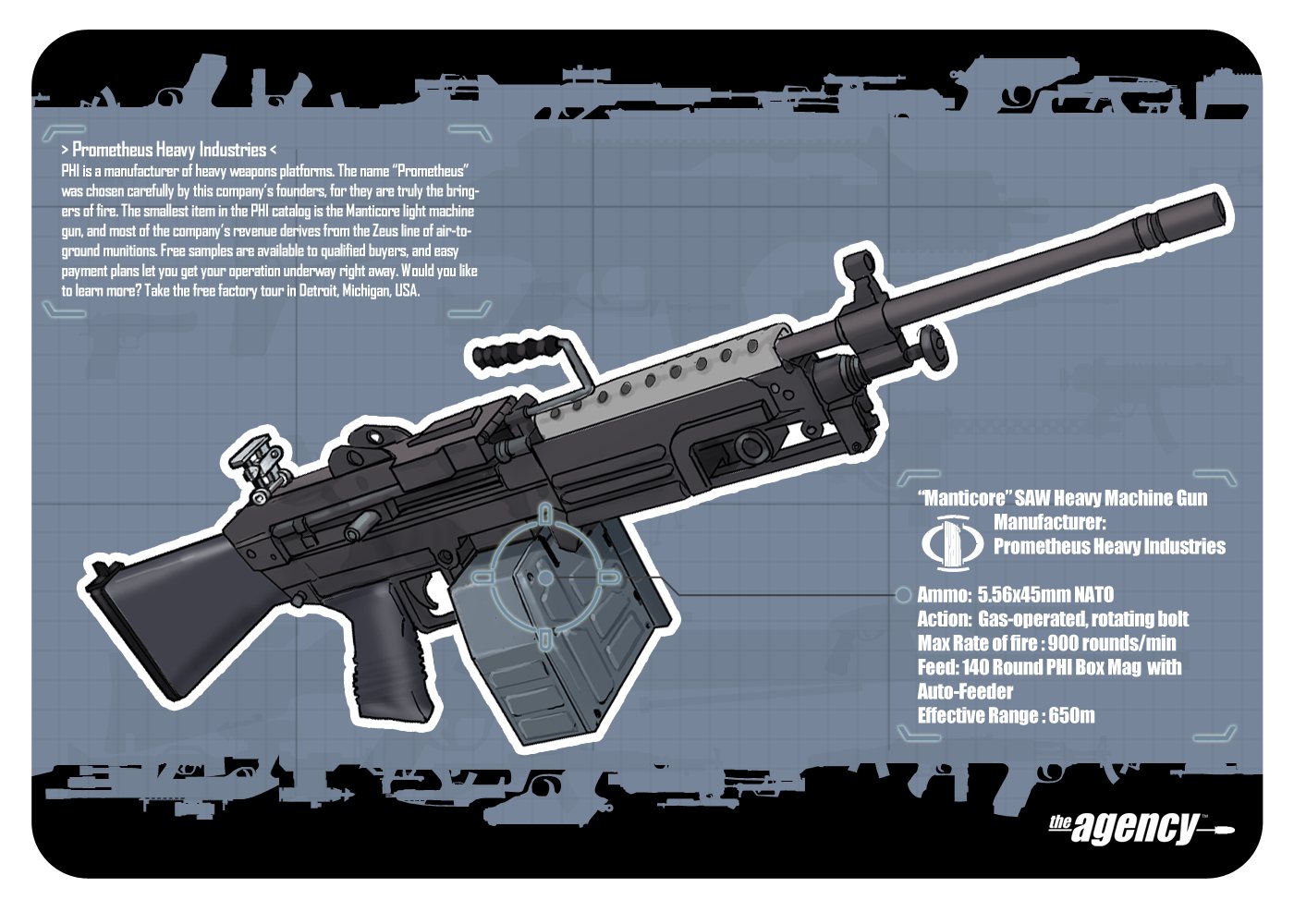
Weapons
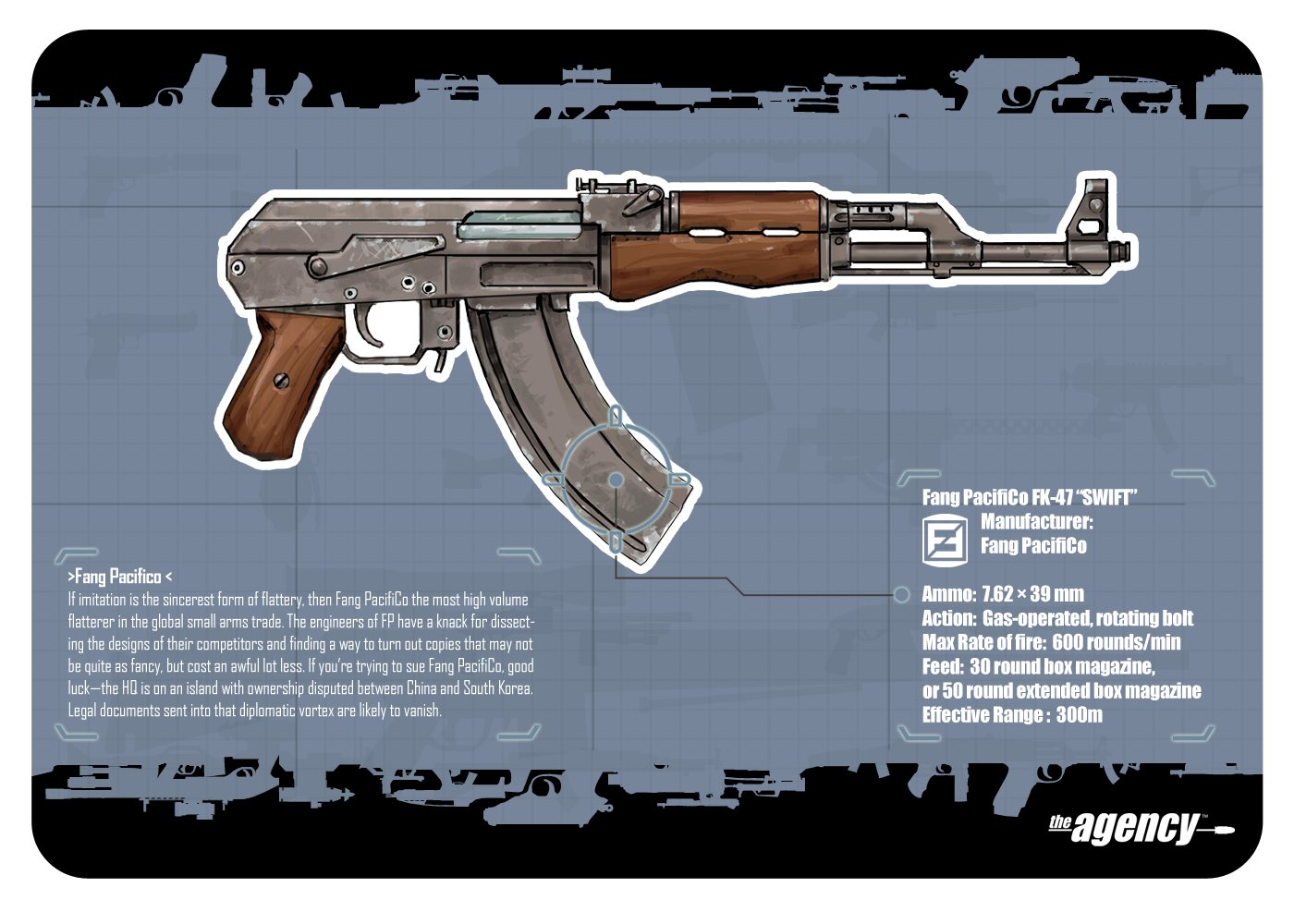
At the core of every shooter lies an arsenal. We designed more than 70 weapons for the game, from six manufacturers, each with its own line of industrial design. Over time, players learn to tell Fang PacifiCo from Rampart Arms.
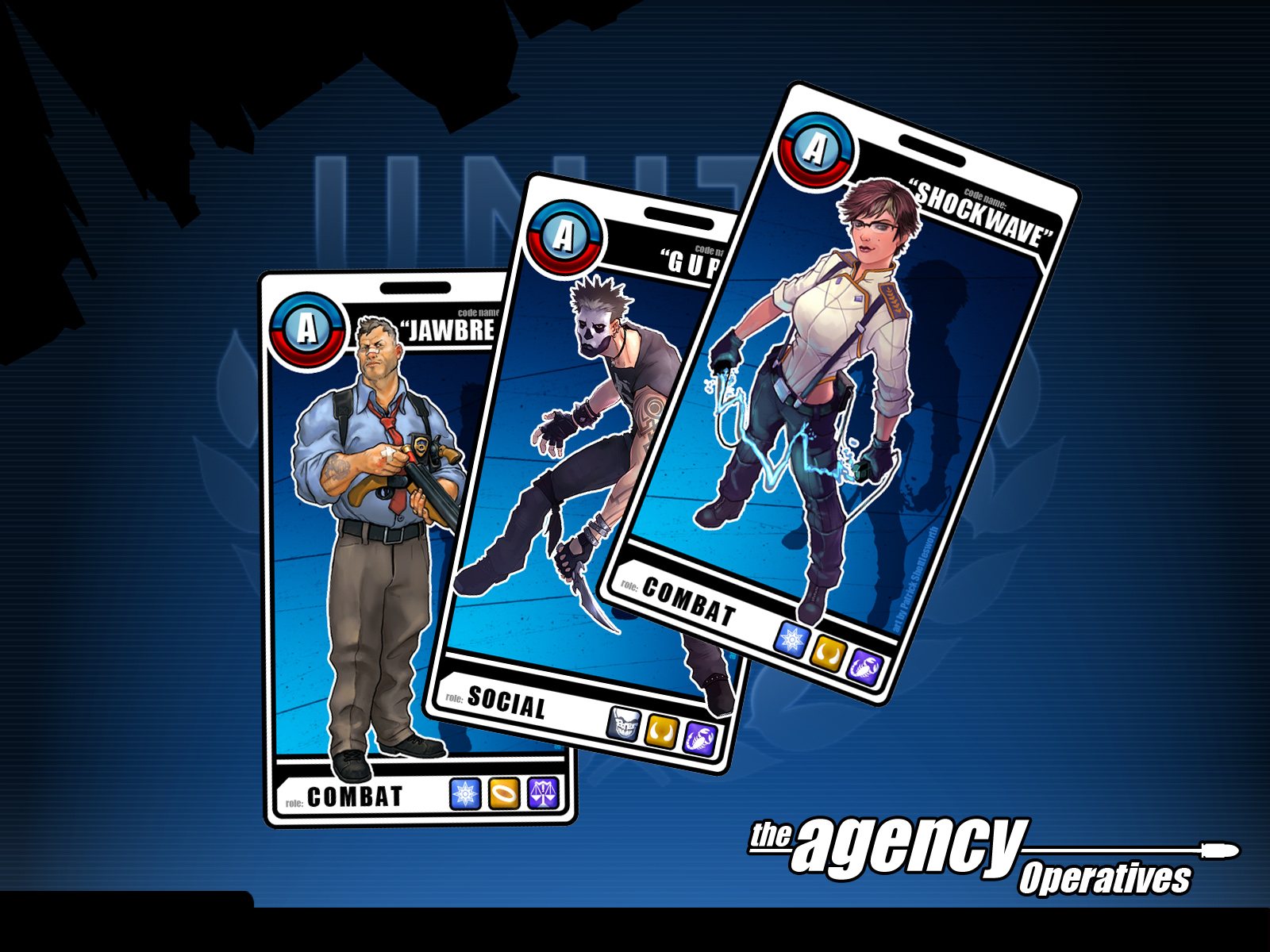
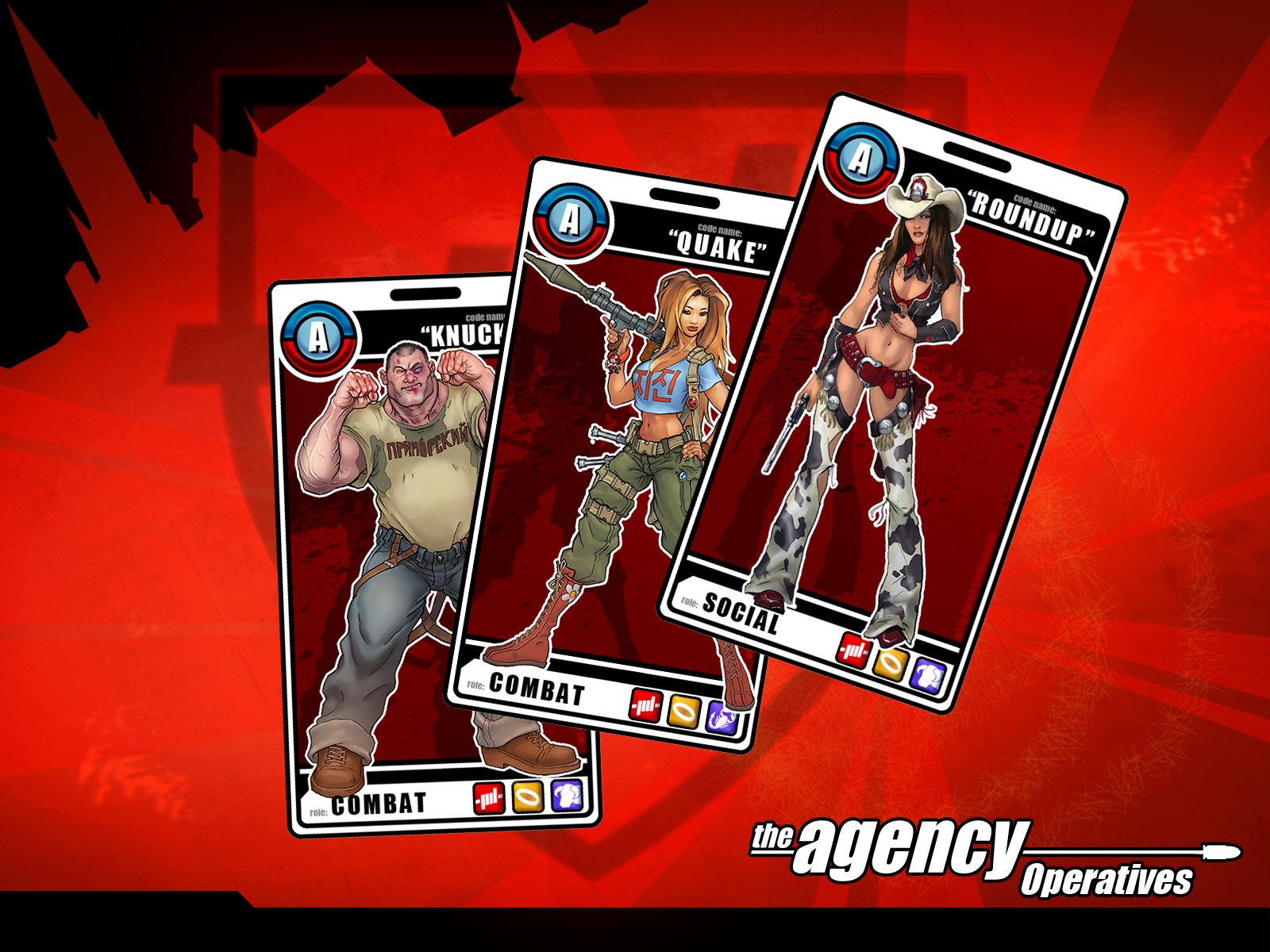


Operatives
James Bond has Moneypenny and Q. Jack Bauer has Chloe. Every super agent needs a network of operatives, and the Agency planned for nearly 500, each with a slightly unique personality and set of attributes, and each represented in game by a collectible trading card.
I worked closely with Hal and the operatives designers on the structure of the cards, designed the card face and iconography, and personally wrote more than 40 bios with art direction notes for the concept artists.
In the game
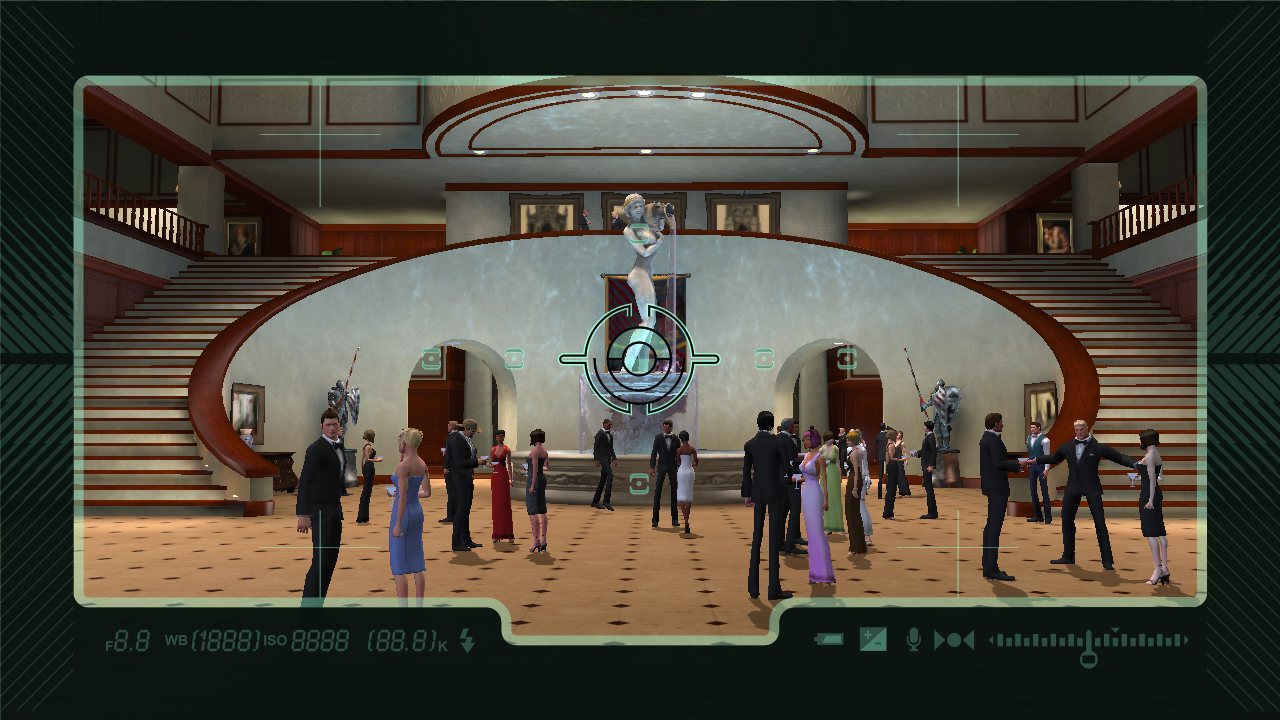
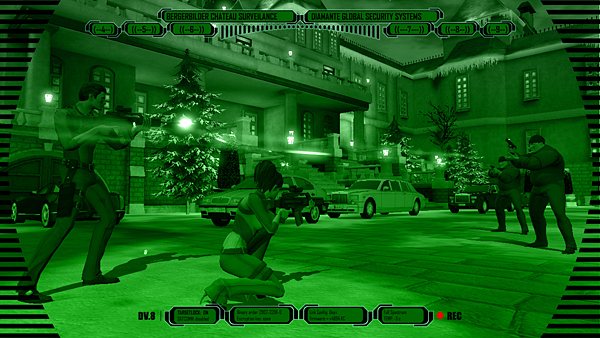
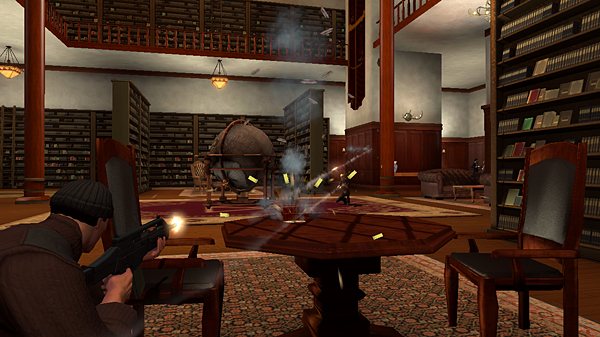
Showtime
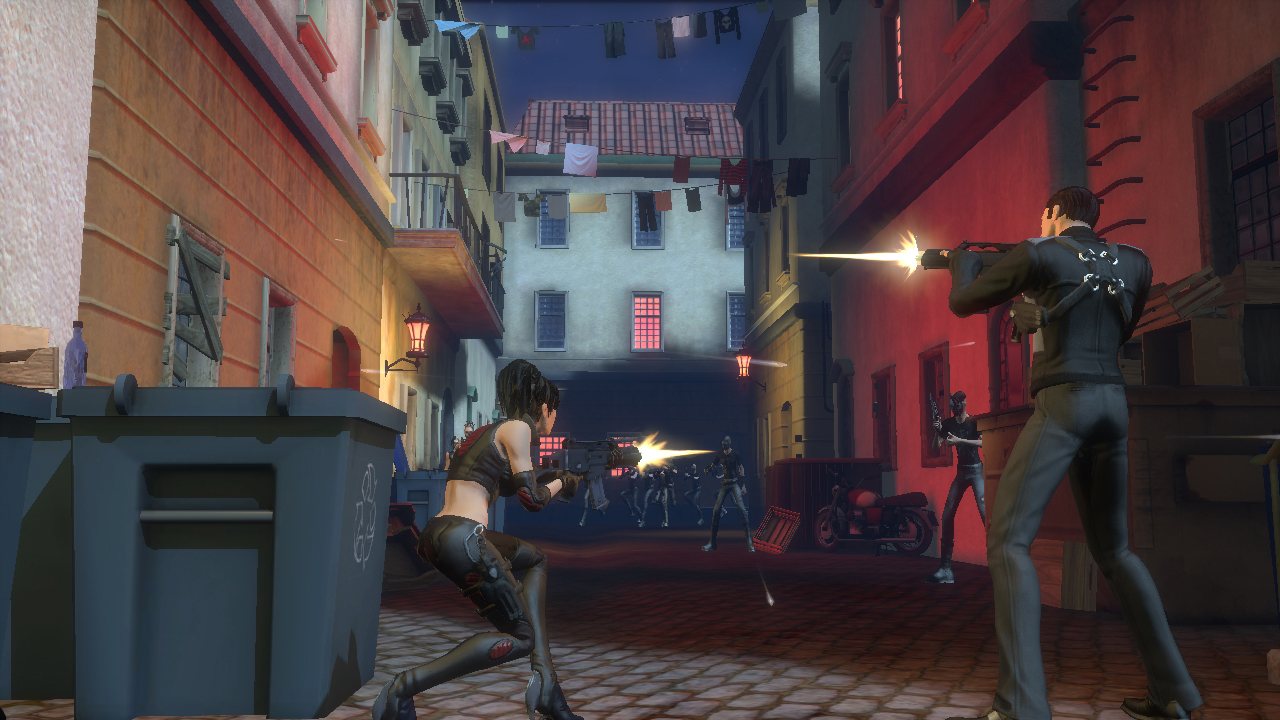
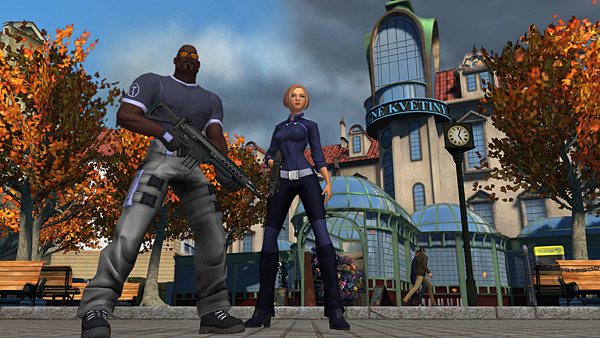
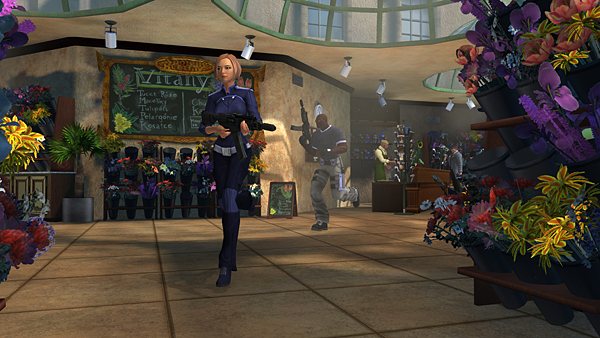
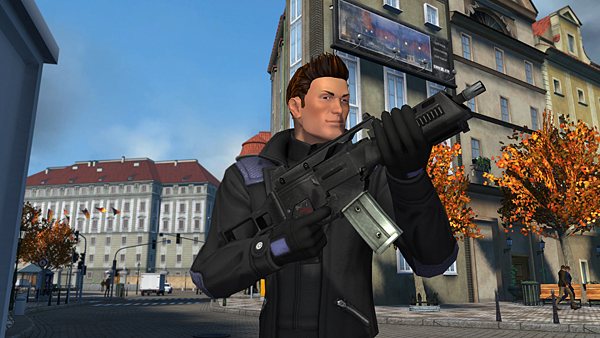
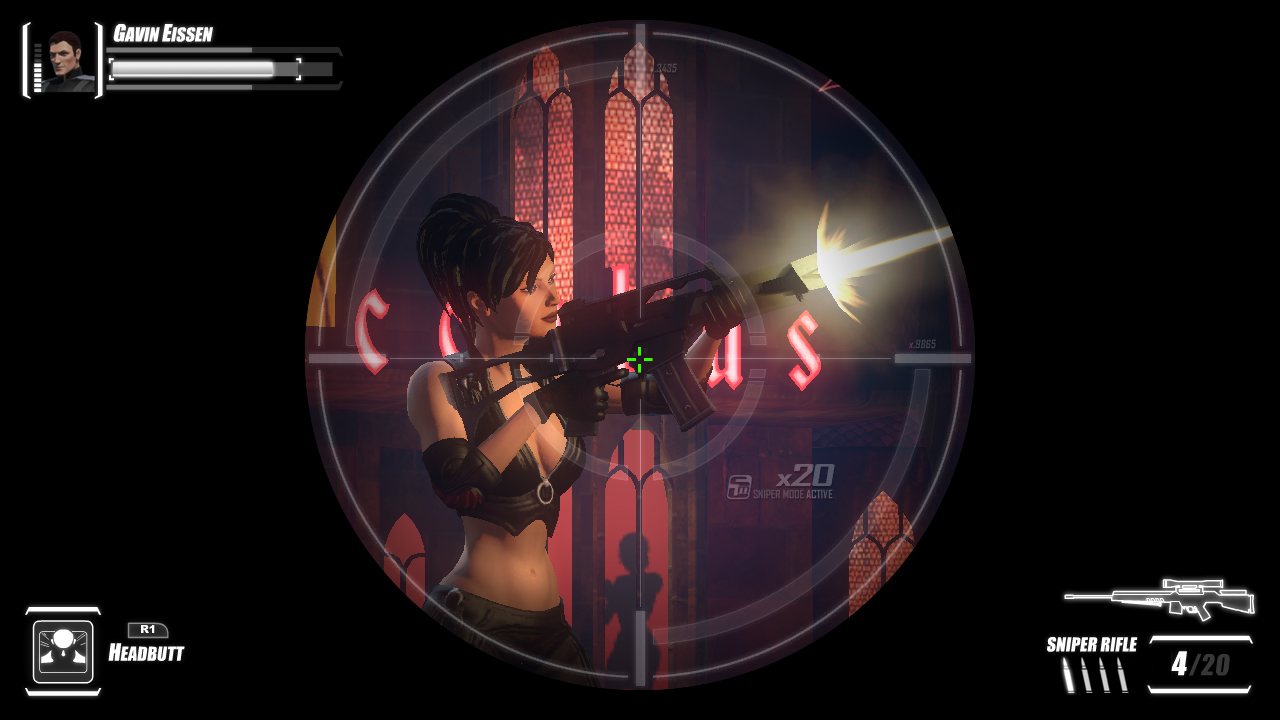
One of my favorite shots, probably because I was still very hands-on at this point. Cassie and Gavin are working their way through Bones Alley in Prague's notorious District 23.
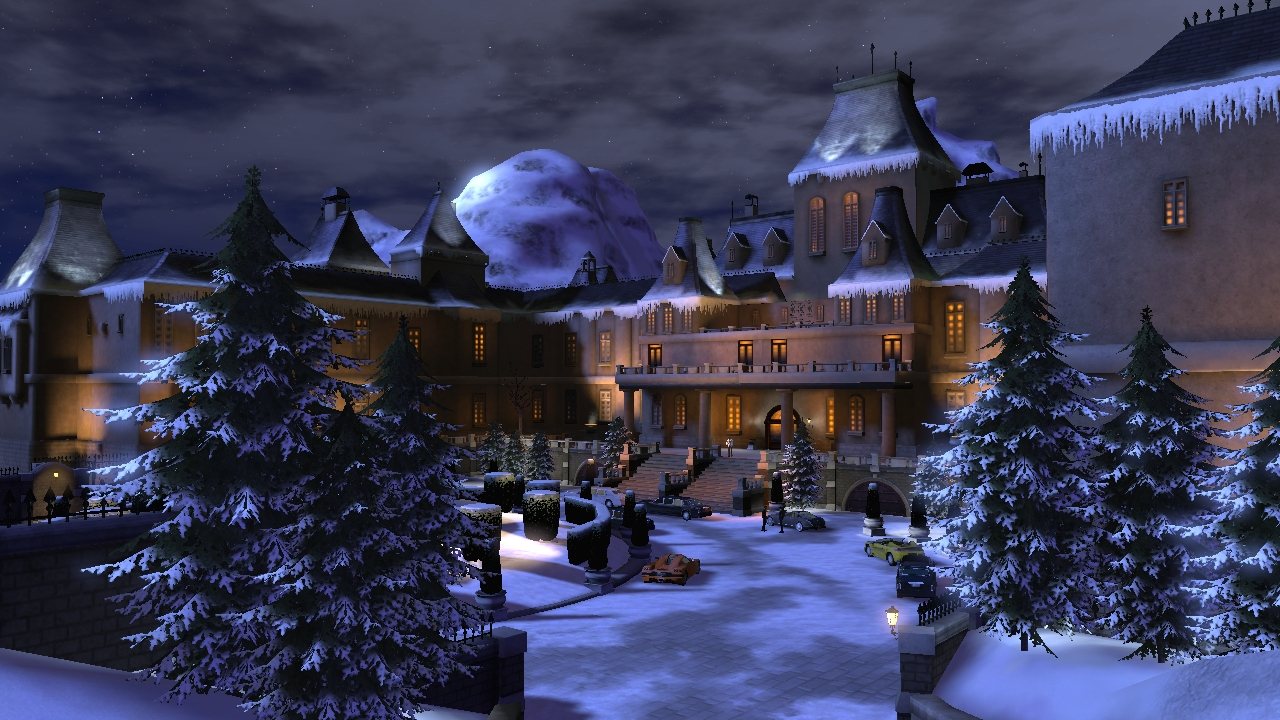
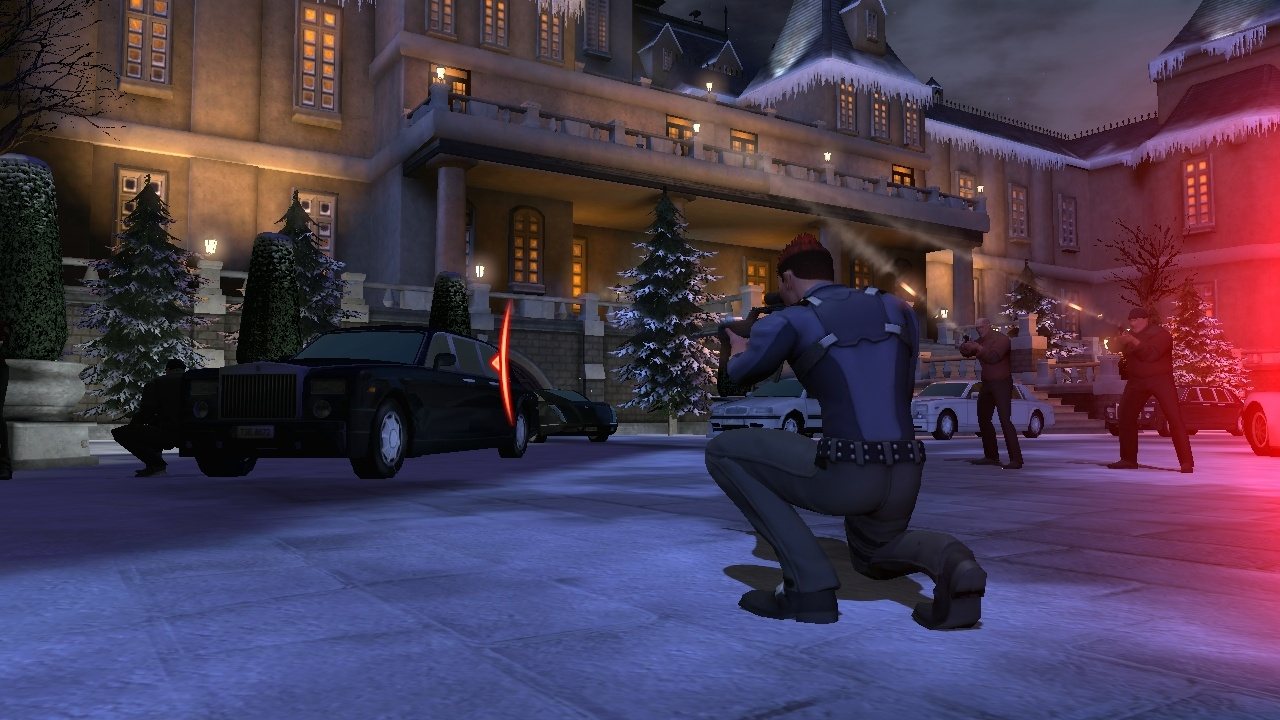
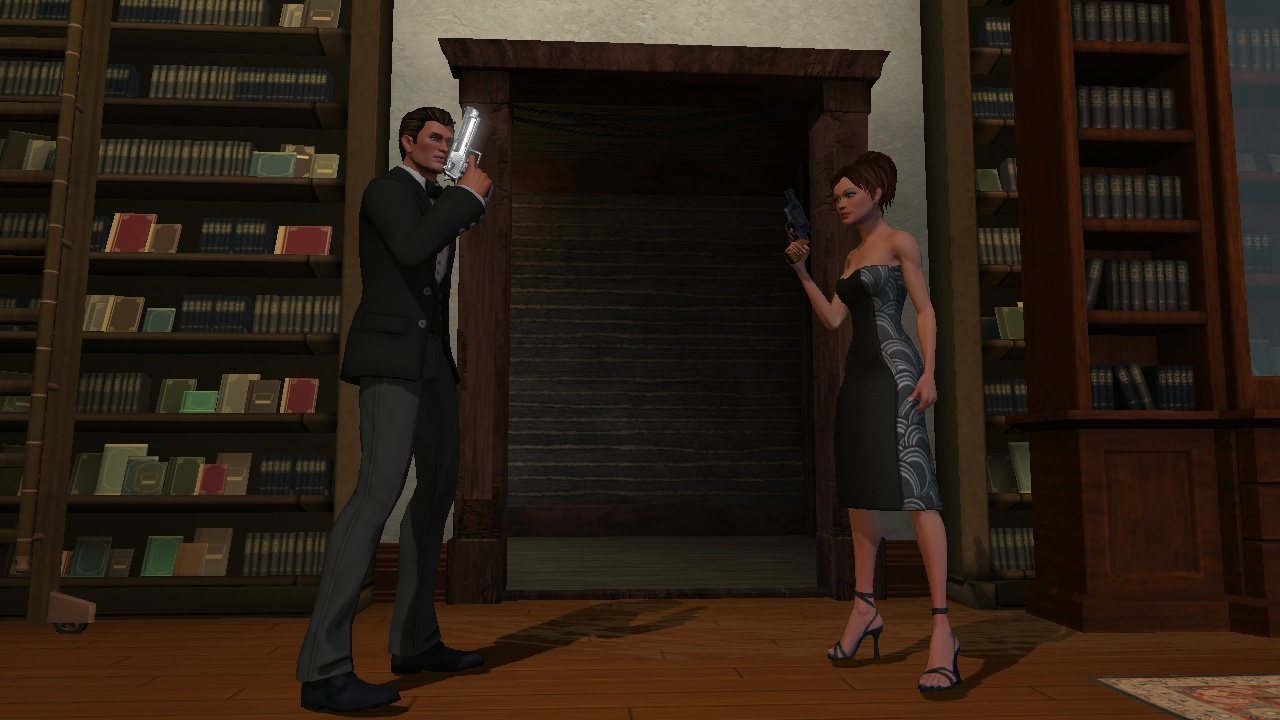
Step through the rest with the bars on the frame: Prague, a chateau in the Swiss Alps and a few secrets.
Mythica
An action/fantasy MMO for Windows set in the afterlife of a fallen Norse hero. I built a team of 30, assembled a world-class concept crew and set the look of the gods, monsters and realms.
- Art direction
- Concept art
- World building
- Outsourcing
2004
Concept
It starts with a concept
Mythica was about living the afterlife of a fallen Norse hero: leaving Asgard and the Halls of Odin behind to do battle against the fire giants. You were one of many heroes sent back into the mortal world to gather human followers and push back a rising tide of corruption across the realms of the Norse pantheon.
To support an idea that big, we had to lift Norse mythology beyond a Viking life simulator. That meant wonder and mystery in the environments, a vast bestiary of fantastic creatures, and several attractive paths for players on their way to becoming a Norse god. Piece of cake.
A concept team in our back yard
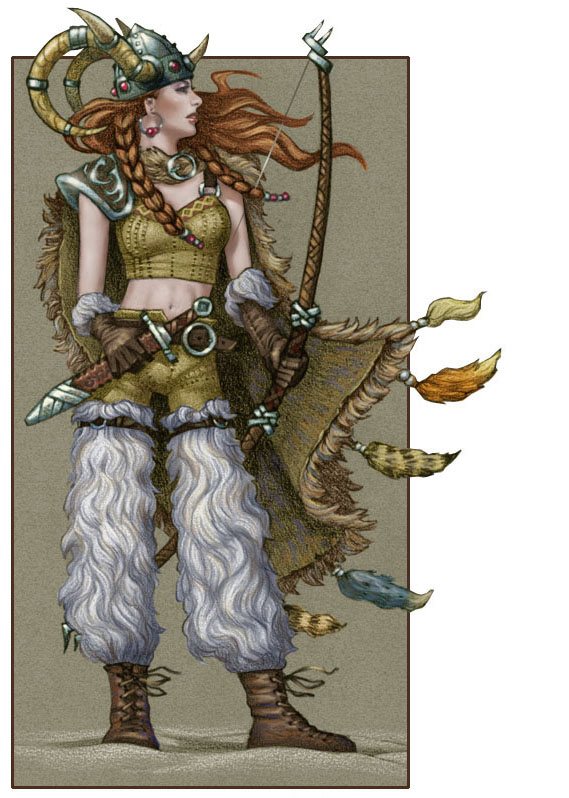
Great concept art does more than tell the production team what to build. It inspires and brings clarity to the entire team. Remarkably, Wizards of the Coast had assembled world-class talent right in our back yard and had just let a number of staff artists go. We contracted the inimitable Sherry Floyd to corral some of my favorites, and we were off and running. Many of them, Sherry included, had just given Dungeons & Dragons a marvelous facelift, so they were perfect for a Norse mythology makeover.
With that team in place I could work deeply with the designers (Hal Milton, Tony Iuppa and Joel Manners) on backstory, regional mood and tone, and a visual system for player roles and ranks. The team created hundreds of glorious concepts, with incredible pieces from Sam Wood, RK Post, John Shroades, Anthony Waters, Brian Snoddy, Greg Onychuk, Leigh Kellogg, Rob Johnson, Michael Cahill, Scott Fischer, Todd Lockwood and Dana Knutson.
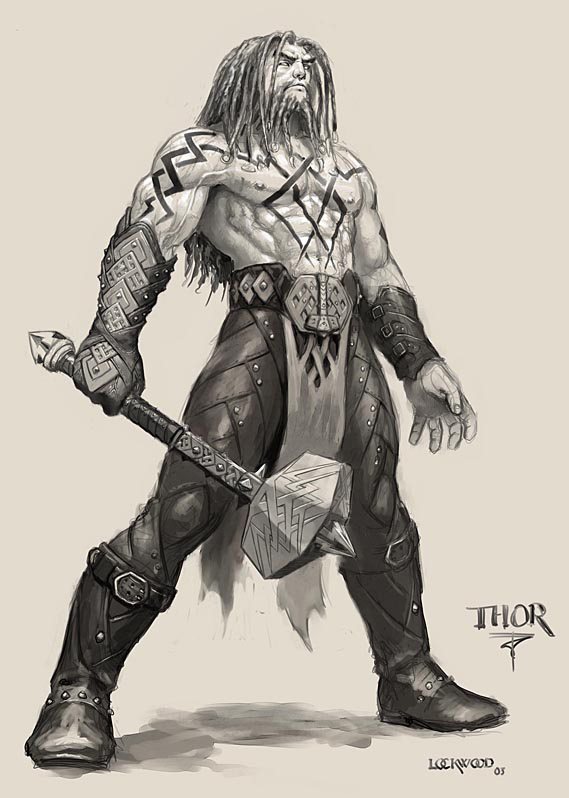
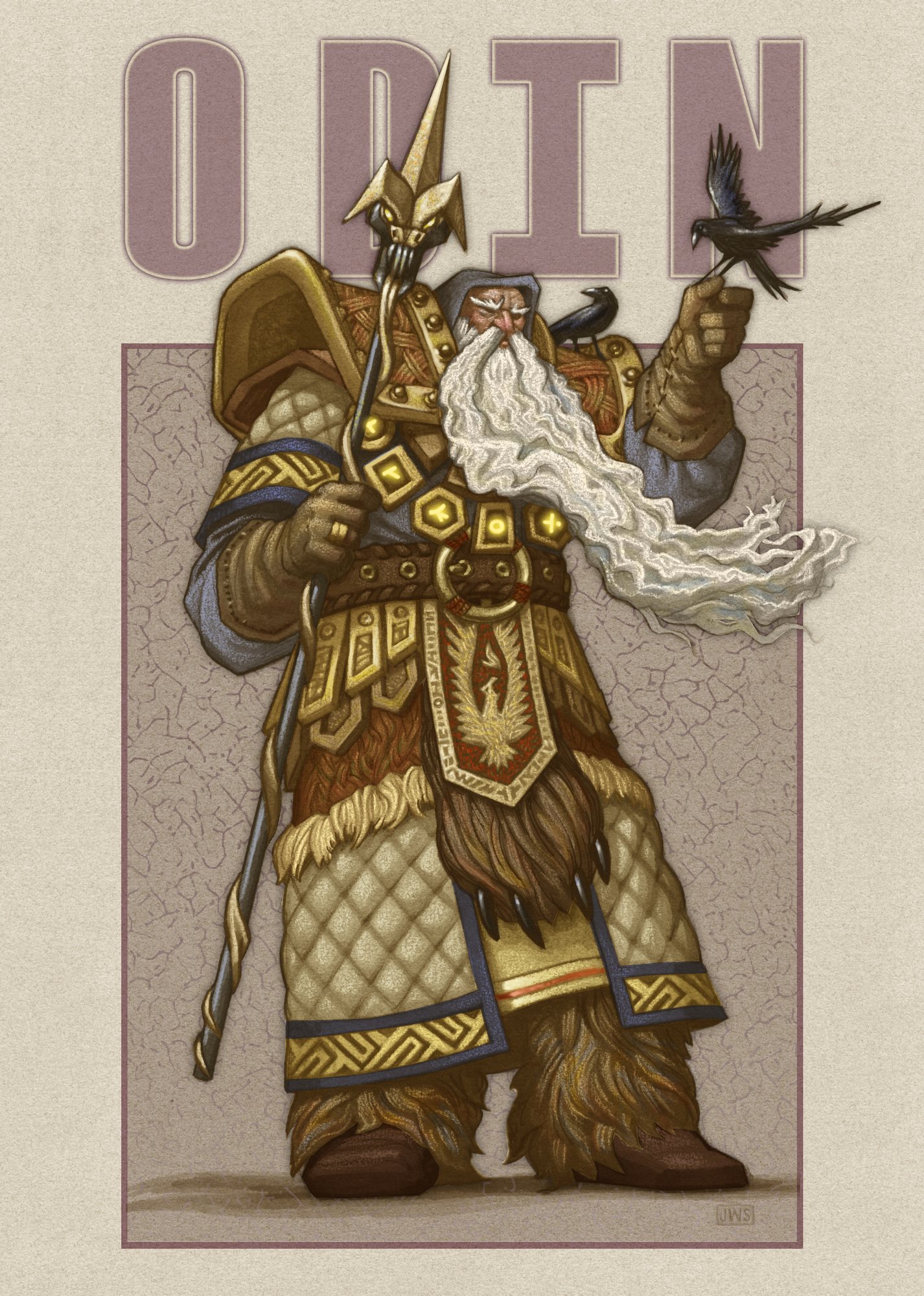
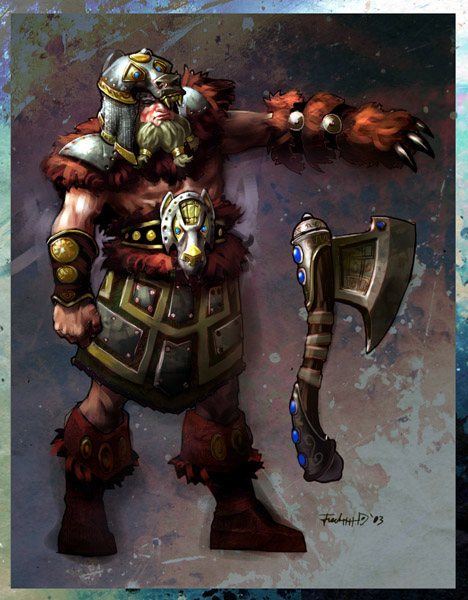
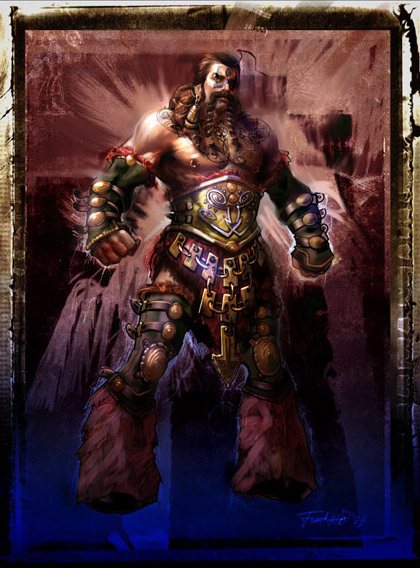
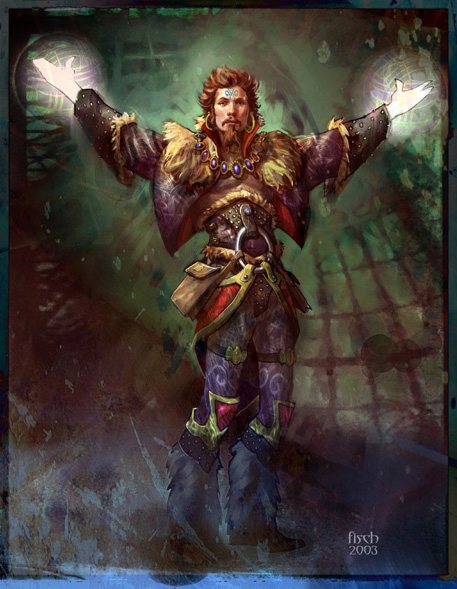
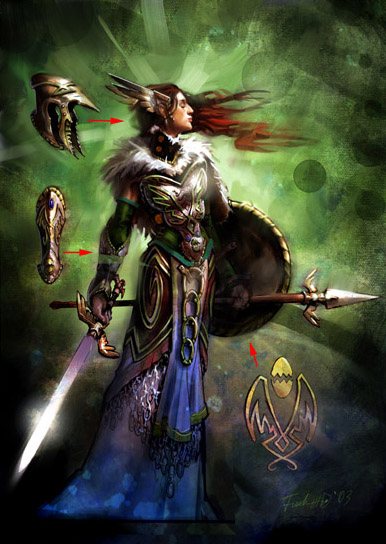
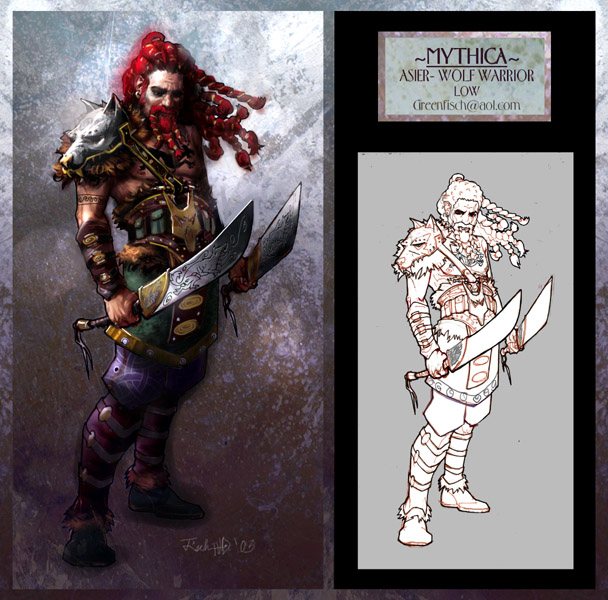
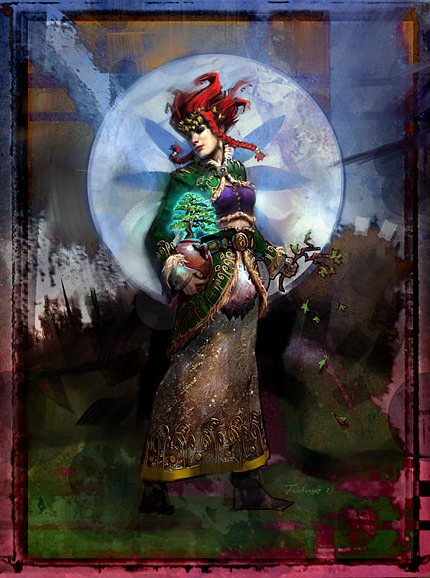
Created in Odin's image: the Aesir
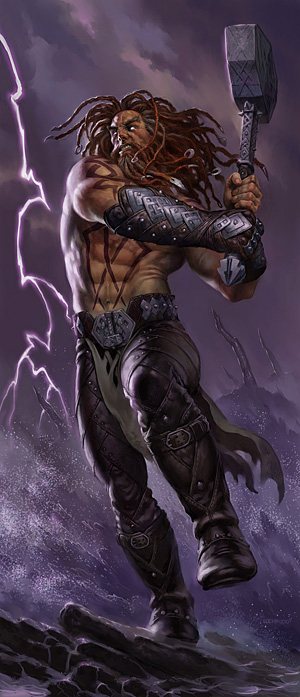
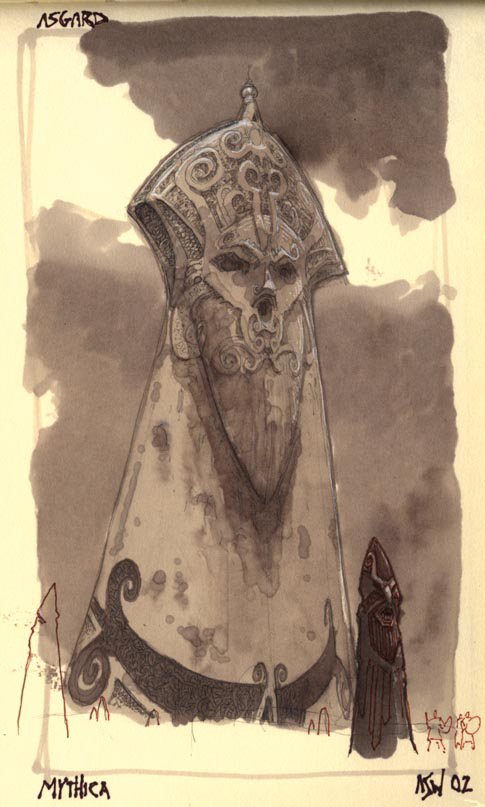
Norse mythology is full of bold, iconic characters. Tyr, Odin, Thor and Freya are so potent we still say their names every week: Tuesday is Tyr's day, Wednesday Odin's, Thursday Thor's and, yup, Friday belongs to Freya.
We had to create compelling depictions of these deities and elevate their immortal brethren, the Aesir.
Mythical realms
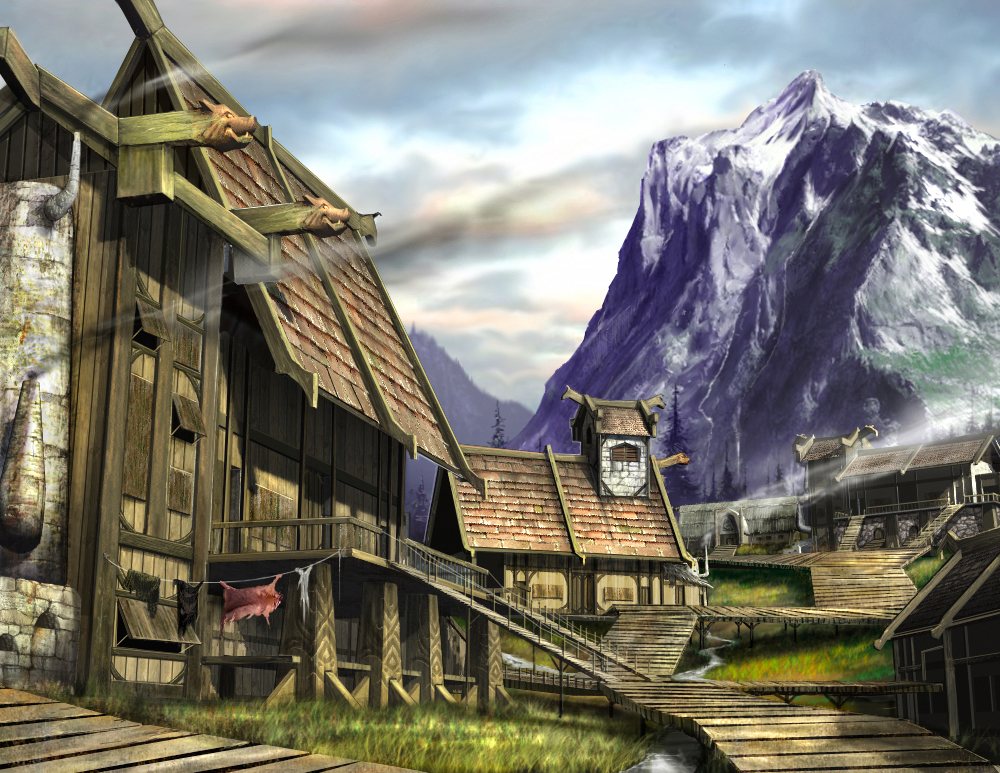
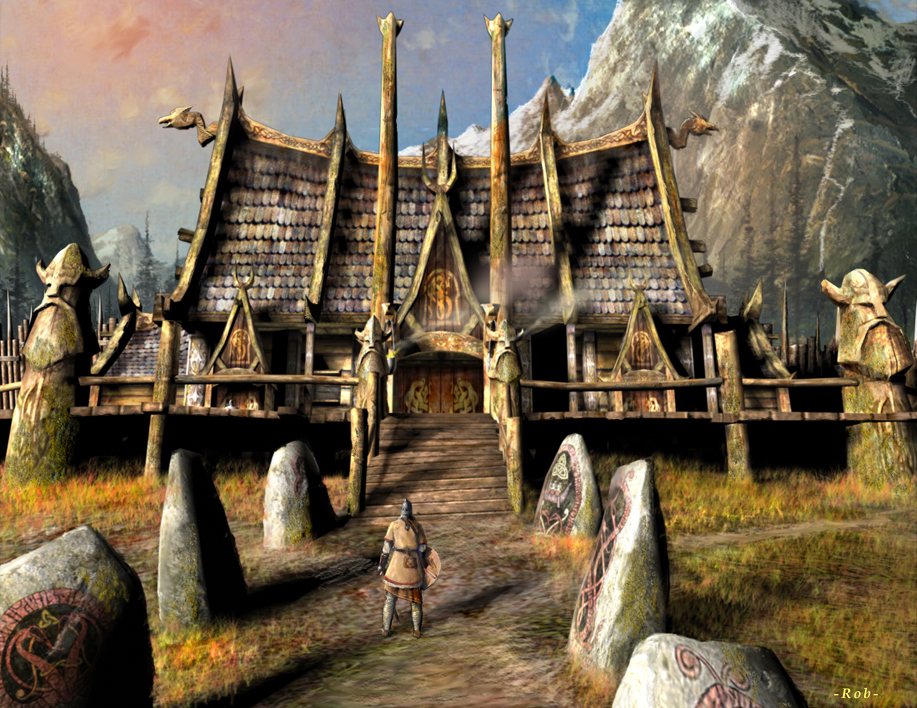
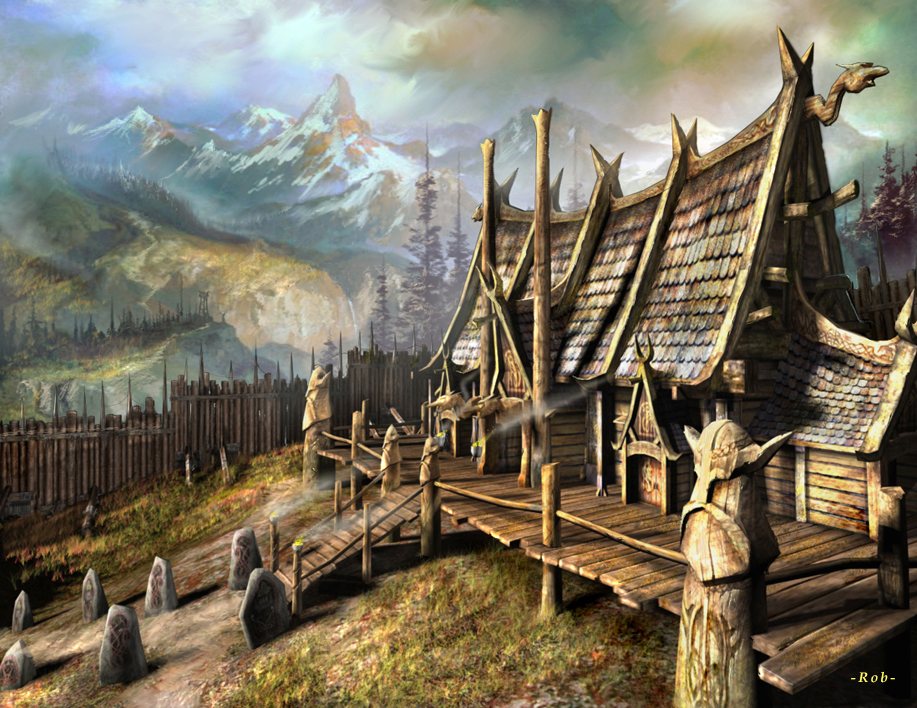
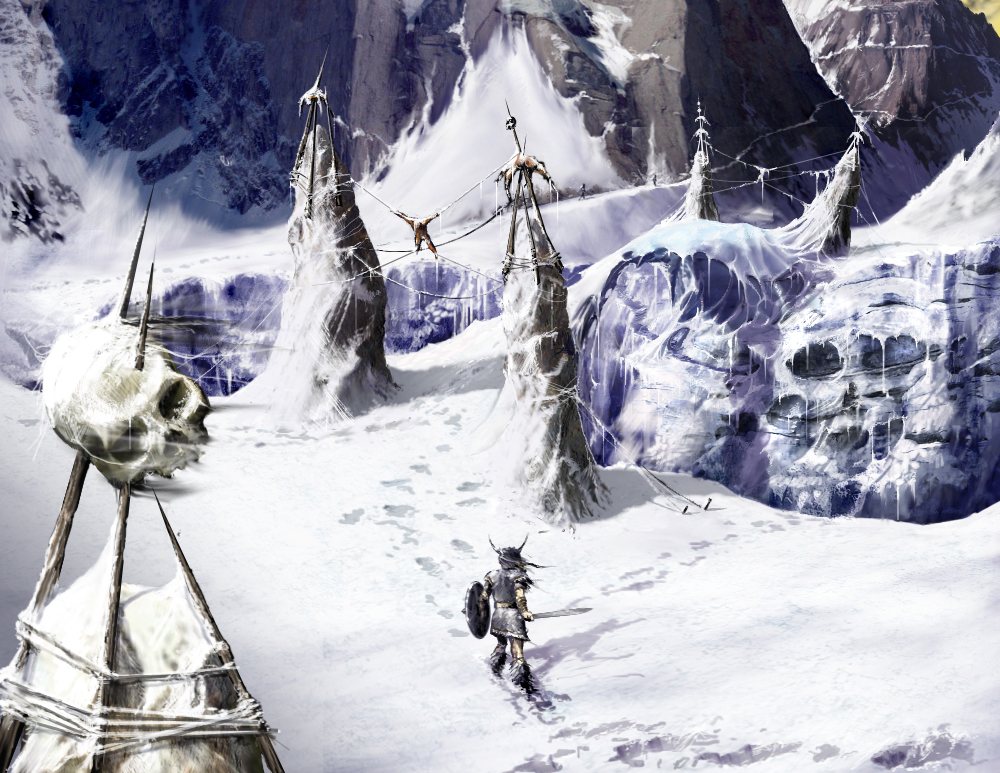
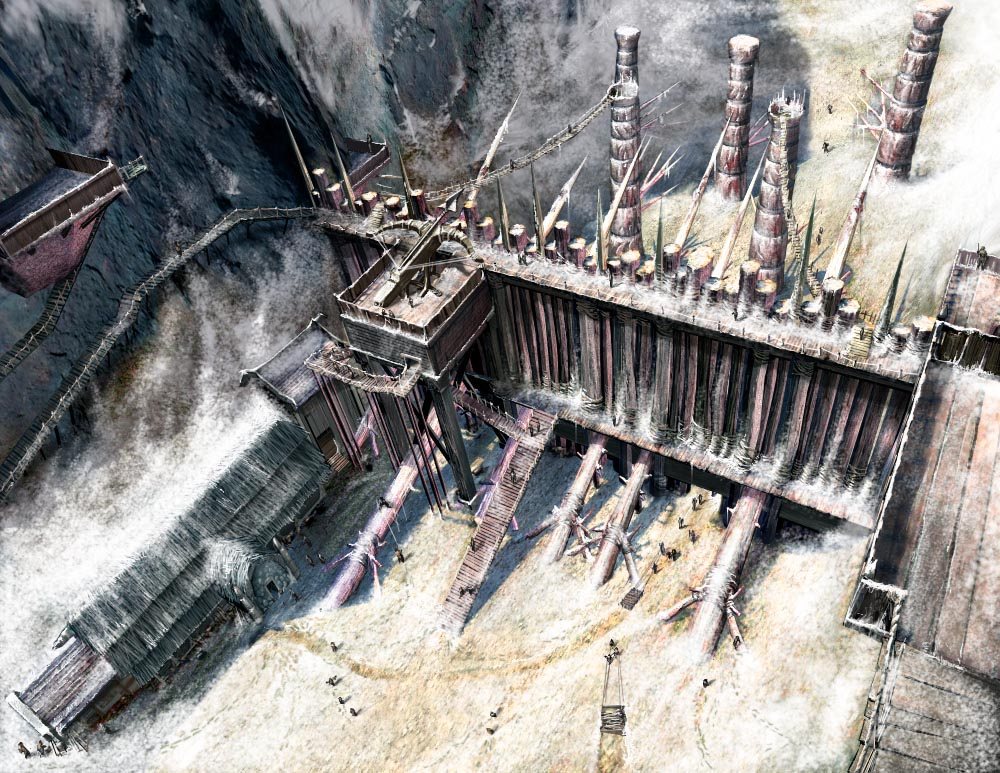
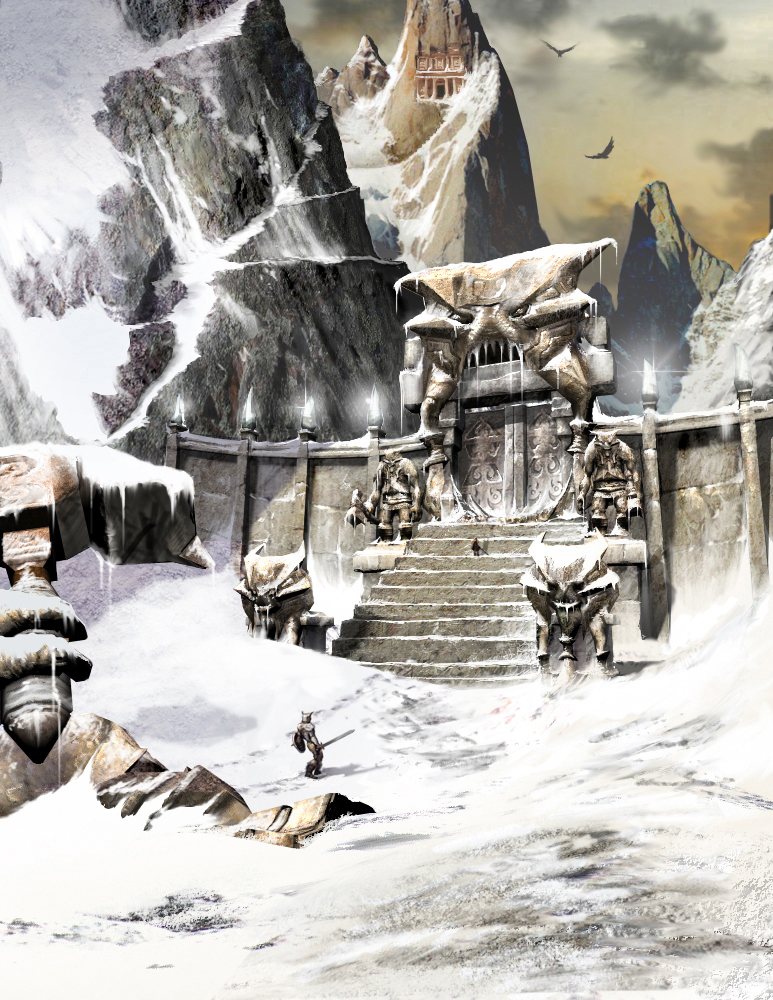
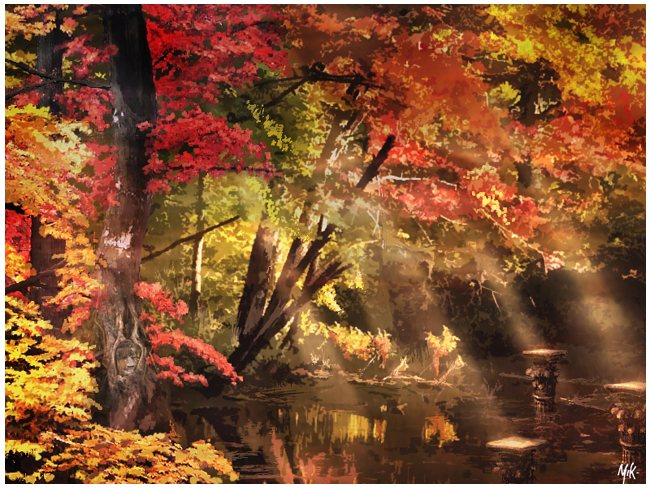
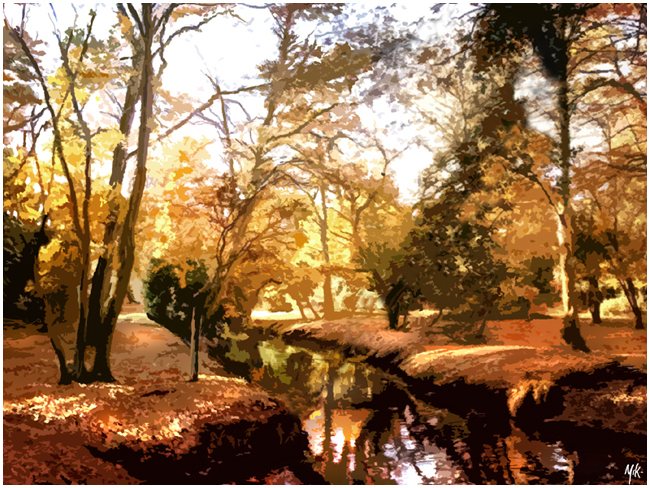
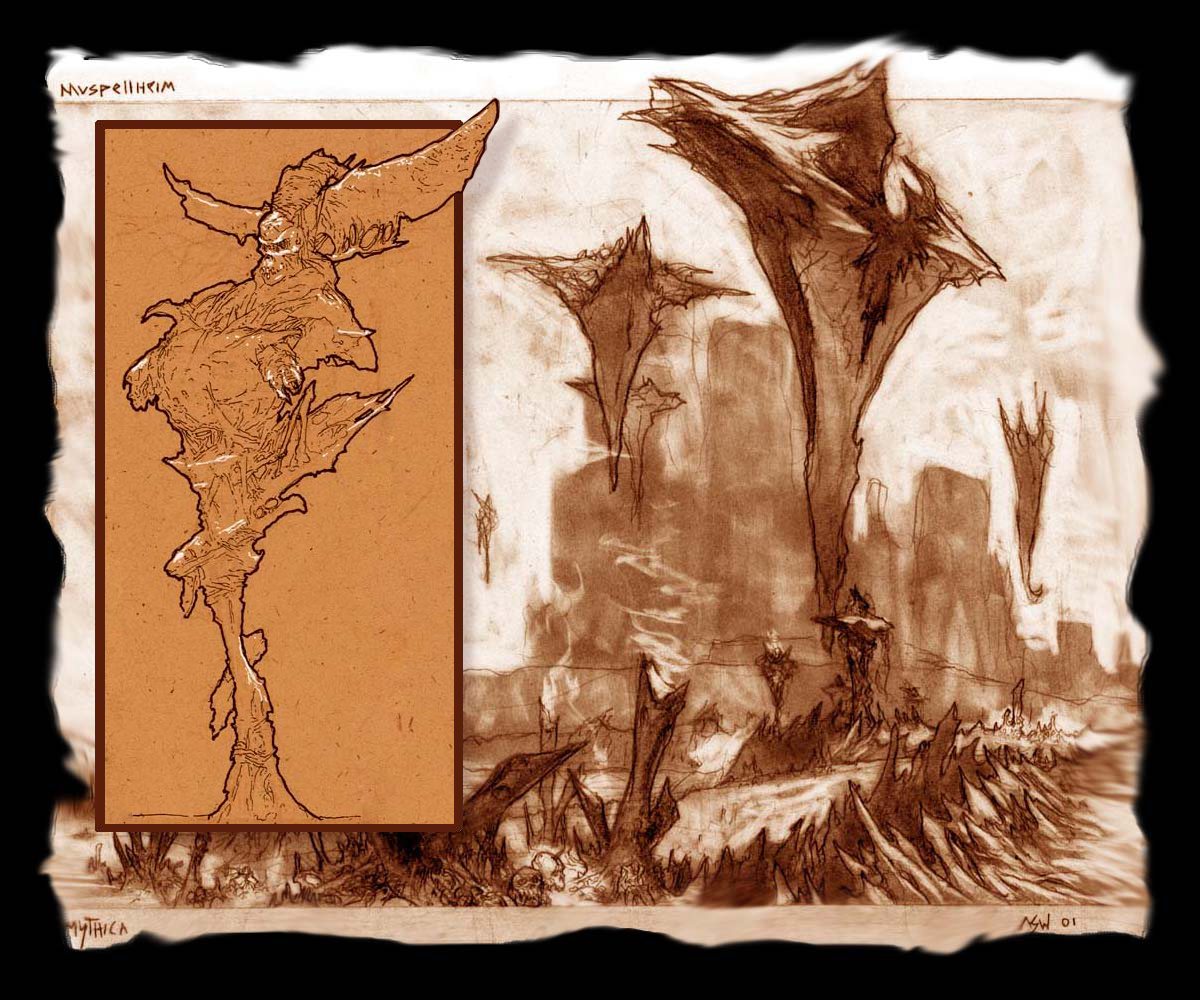
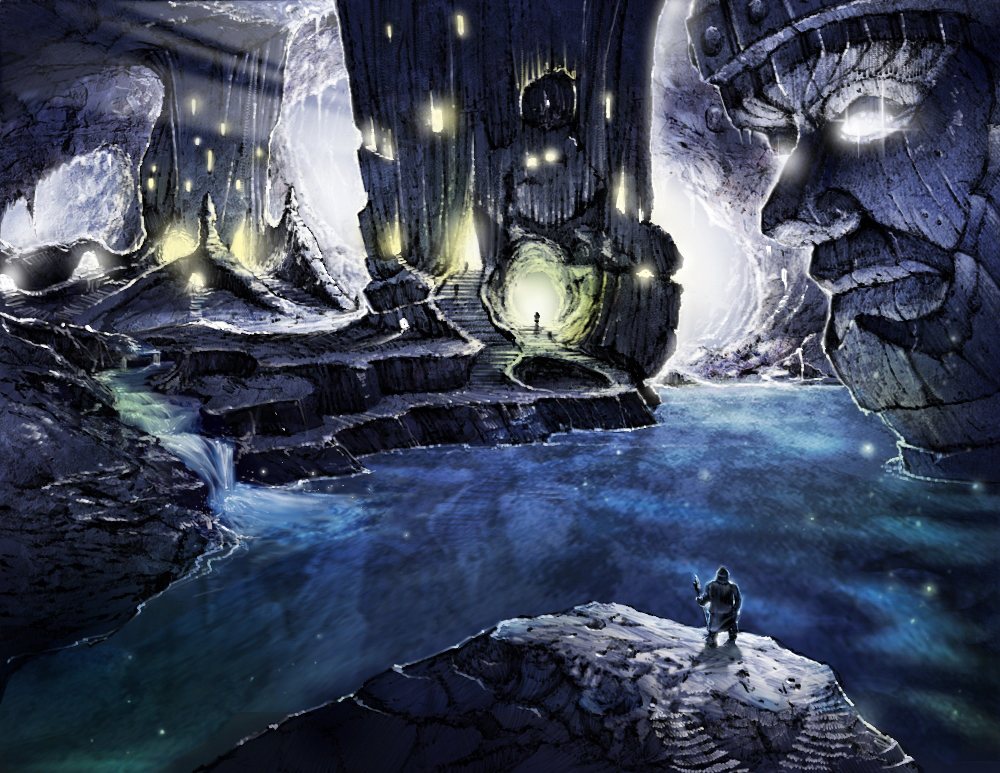
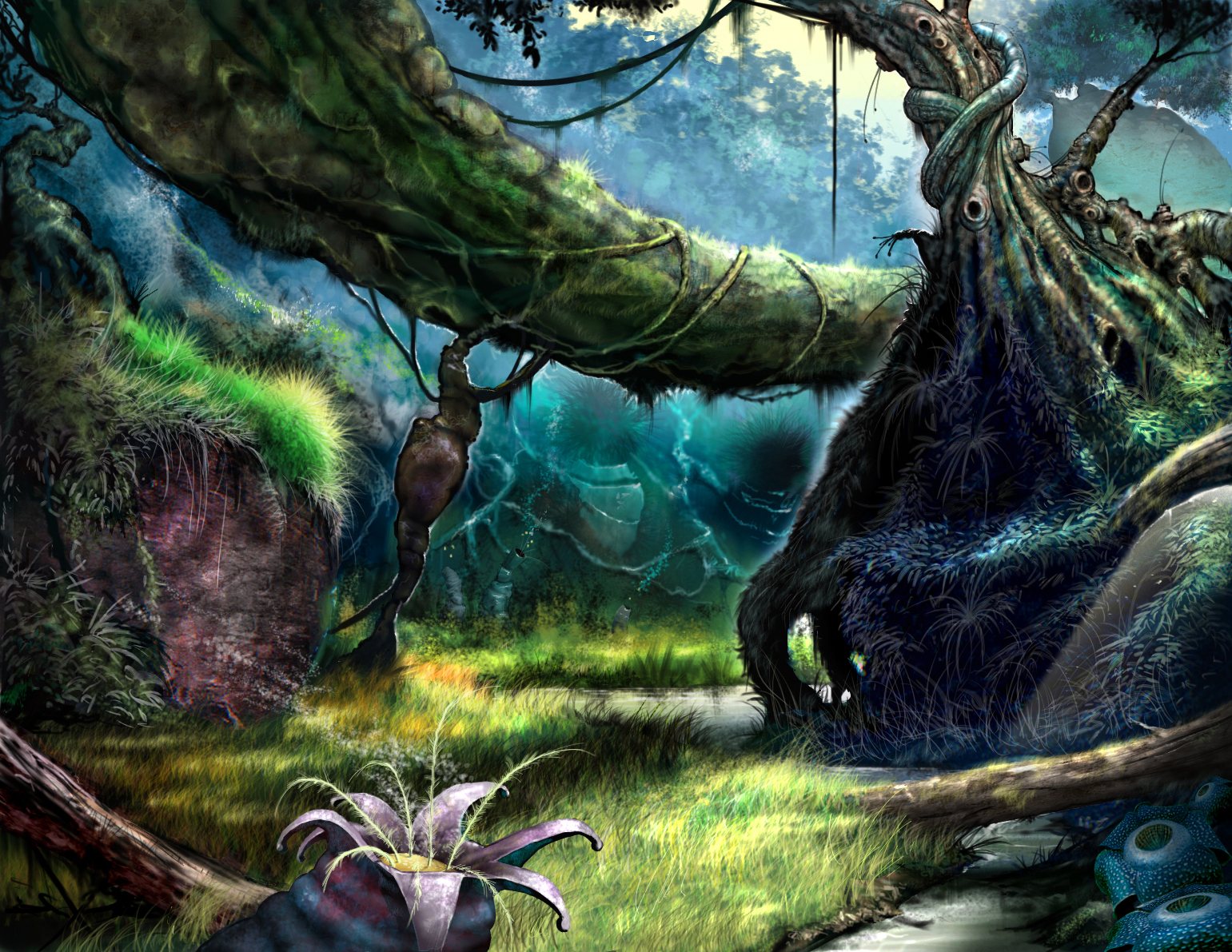
The lands our heroes visited ranged from frozen wastelands to lush tropical forests. I wanted each realm to embody a theme, with its own palette and signature shapes, natural and built, so every place felt iconic and memorable.
Midgard was rustic but charming; Jotunheim, frozen and blustery; Asgard, autumnal and warm; Nidavellir, dark, wet and underground; Muspelheim, scorched and foreboding; and Vanaheim, lush and exotic.
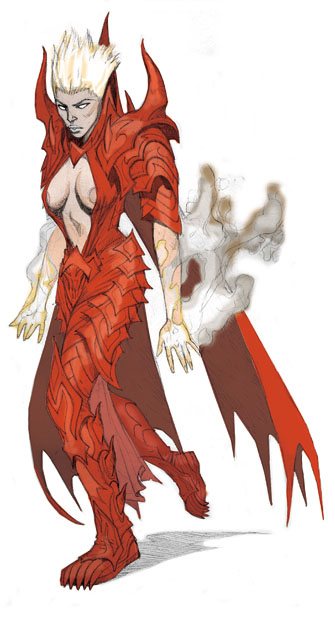
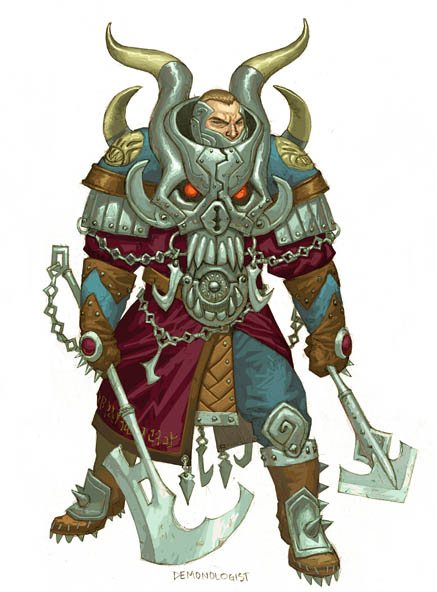
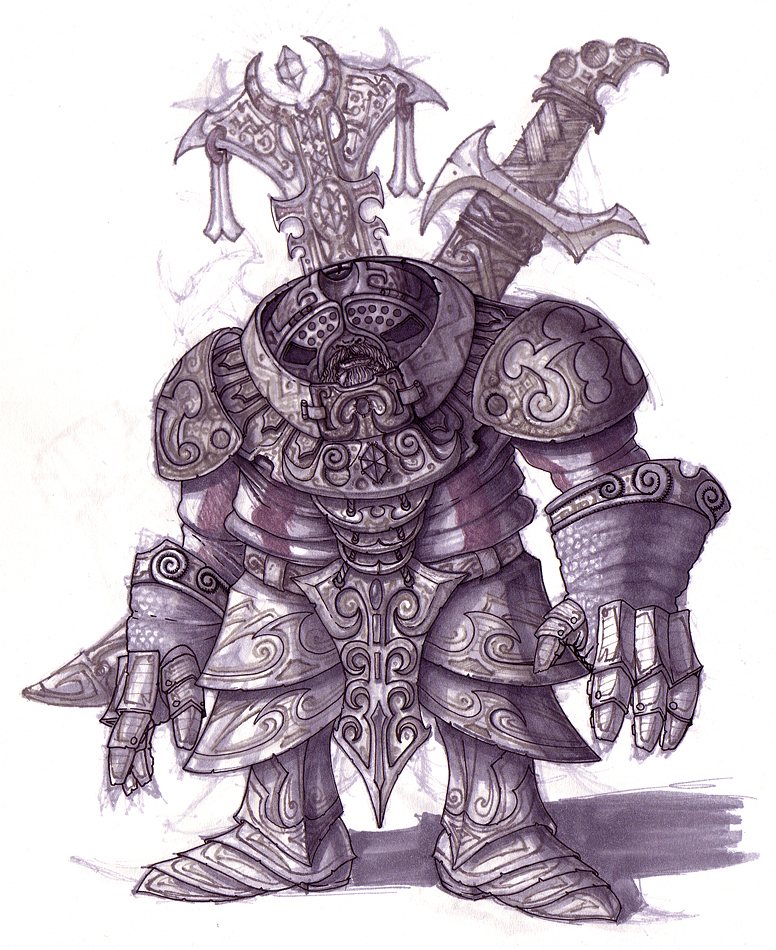
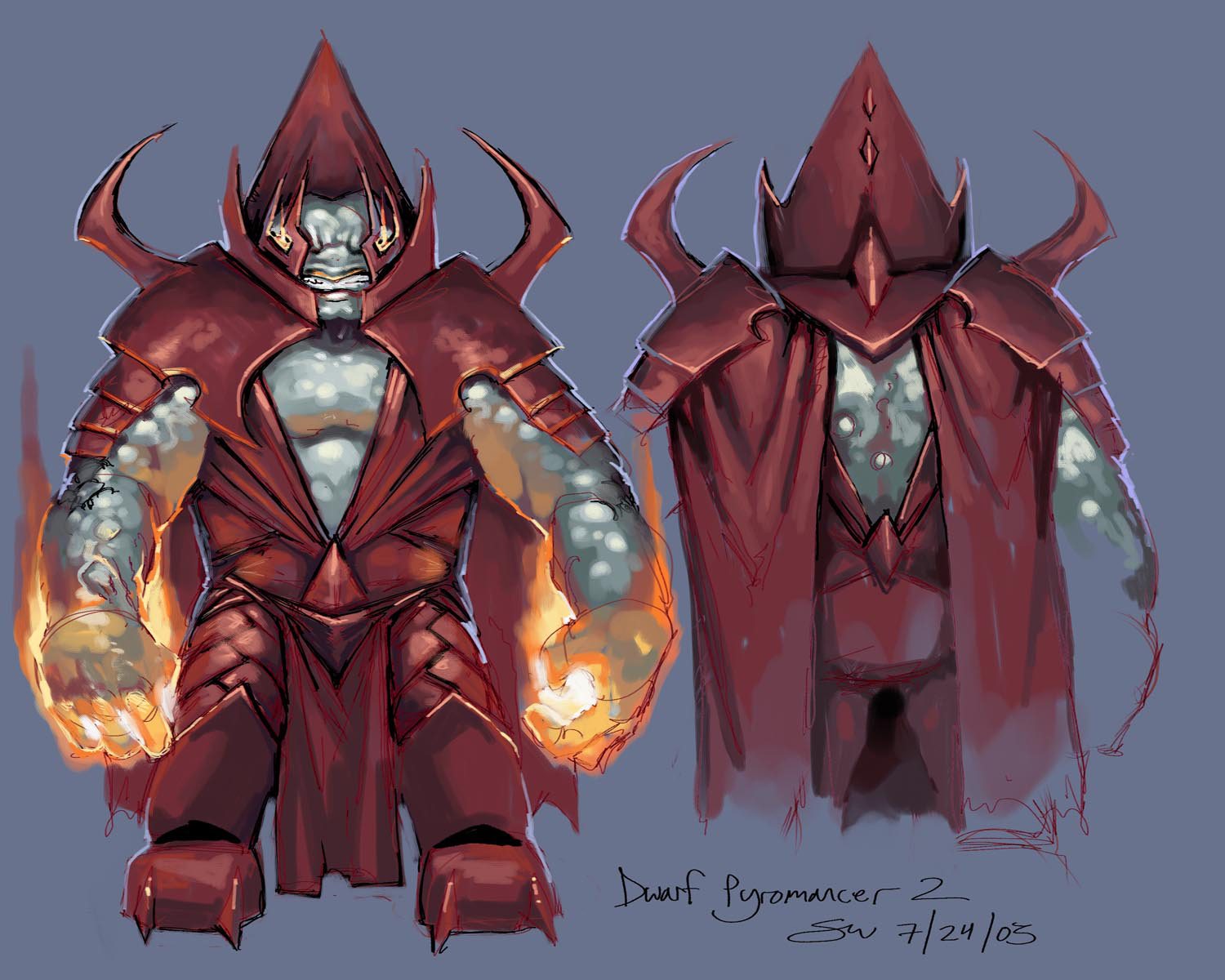
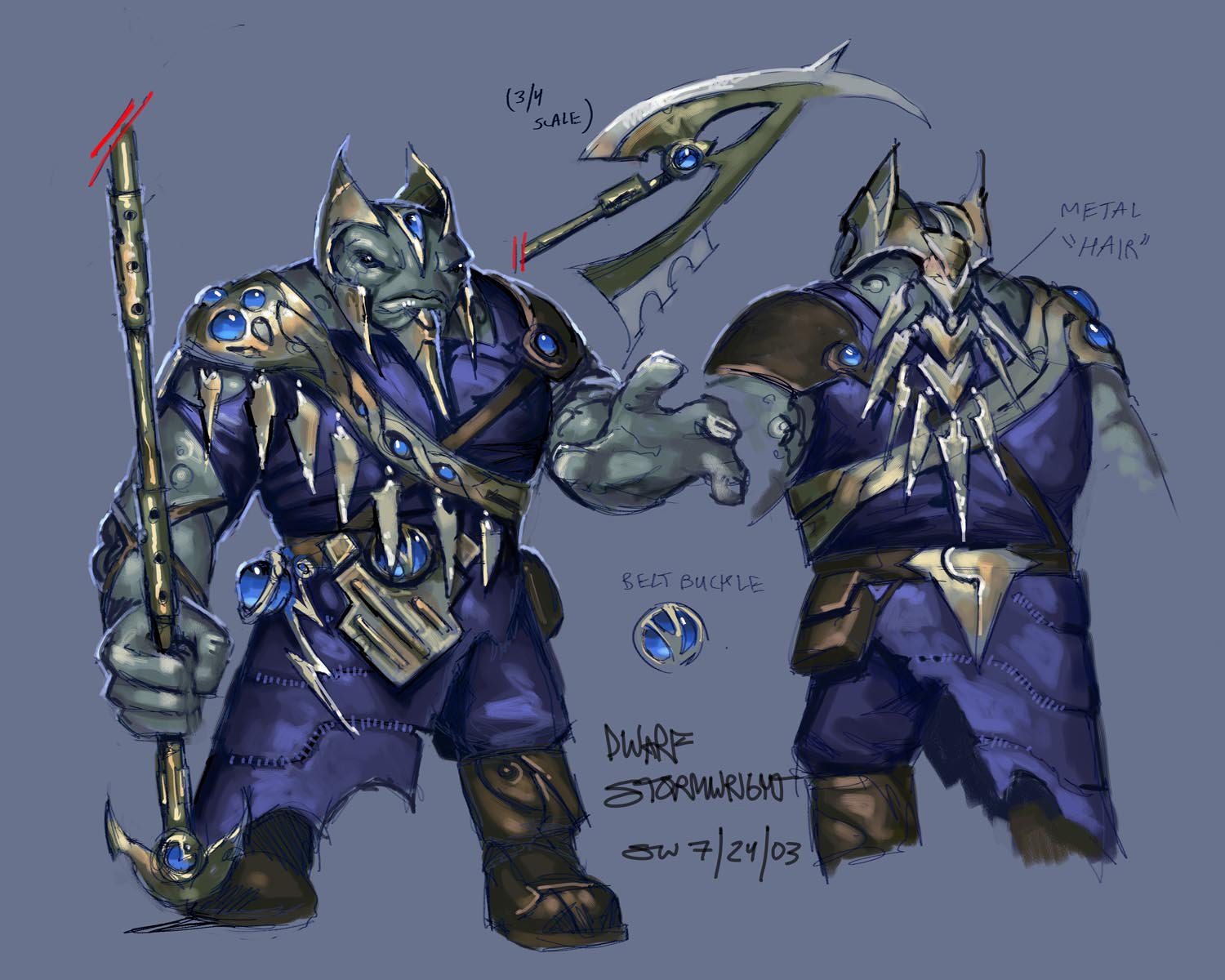
Epic heroes
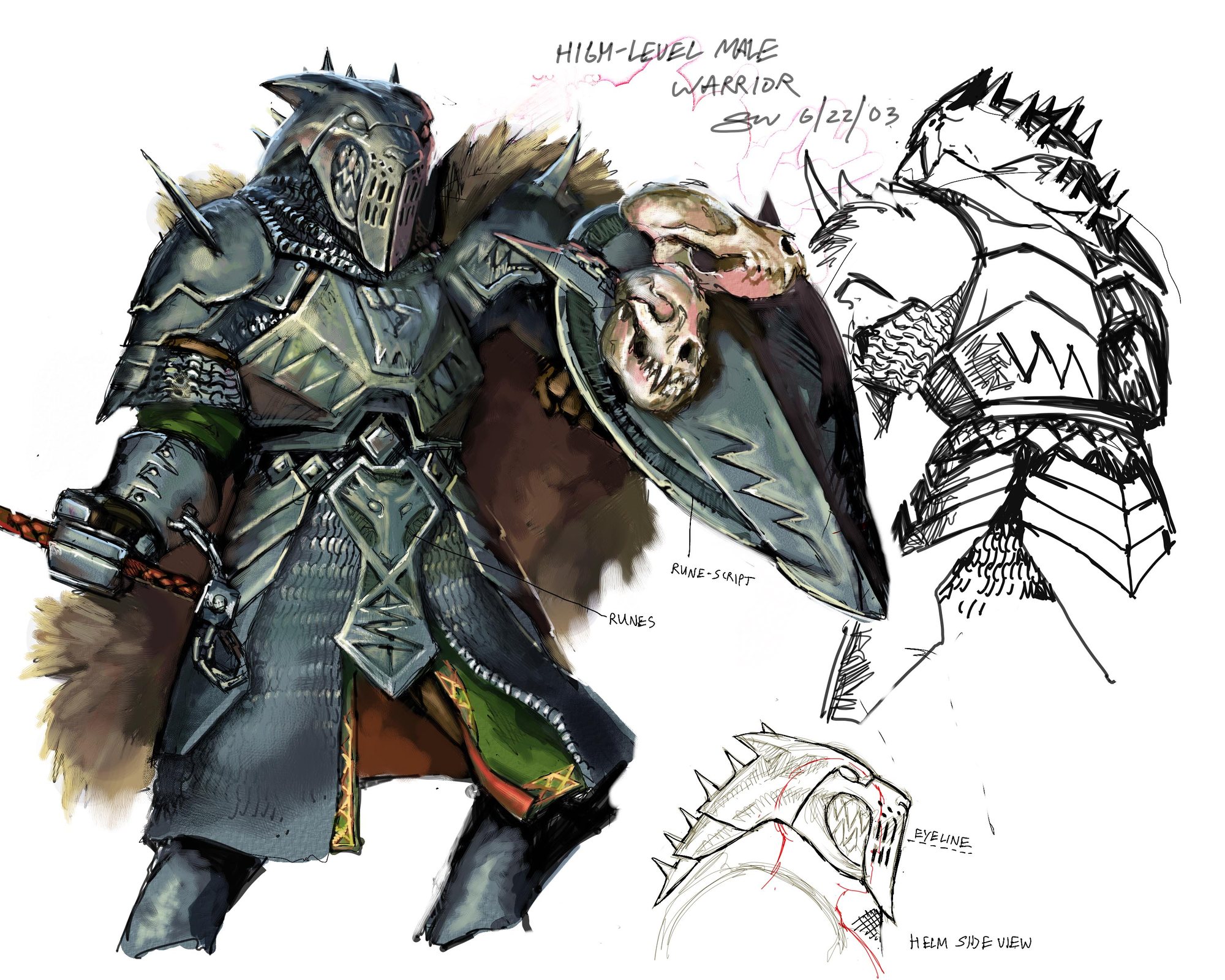
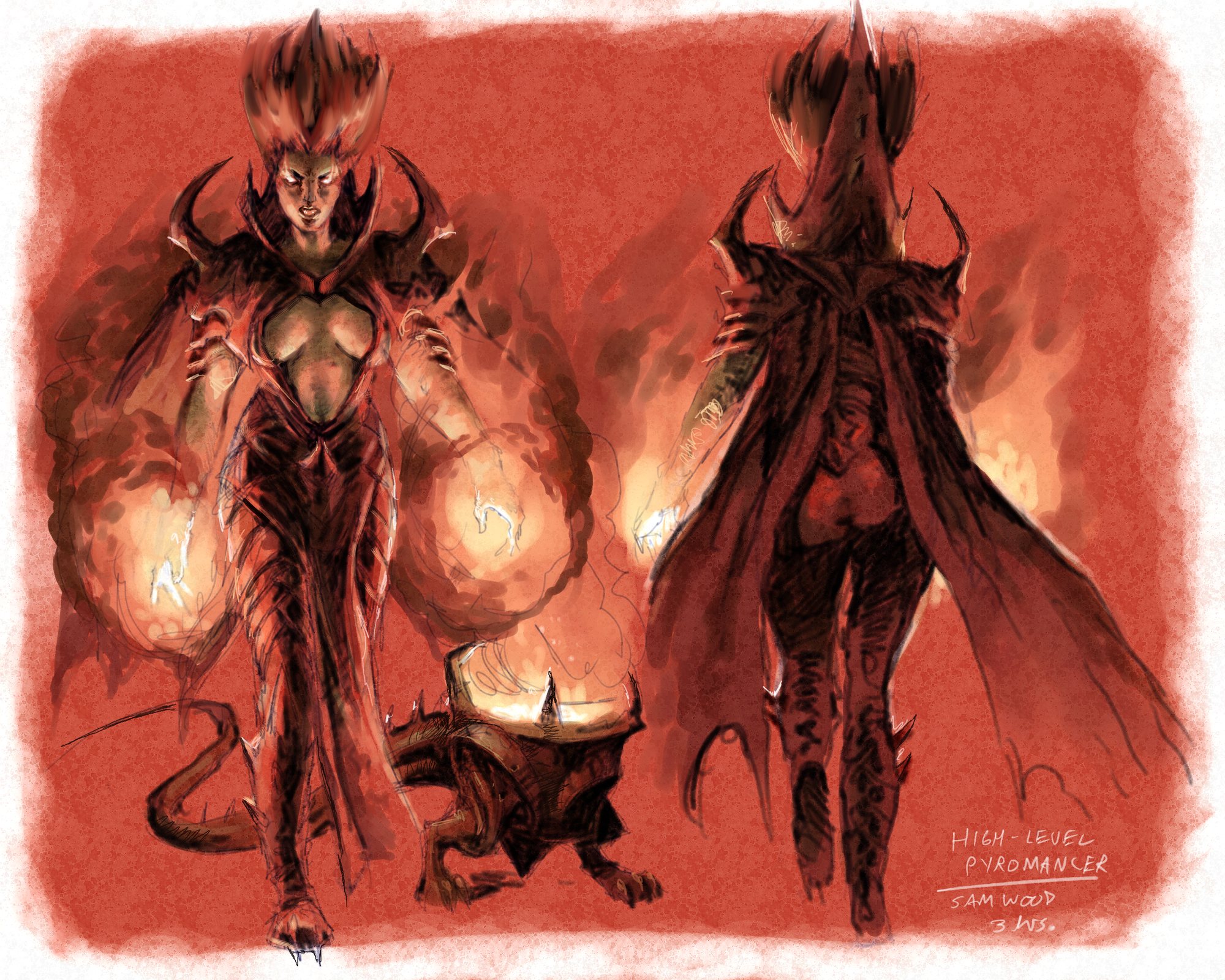
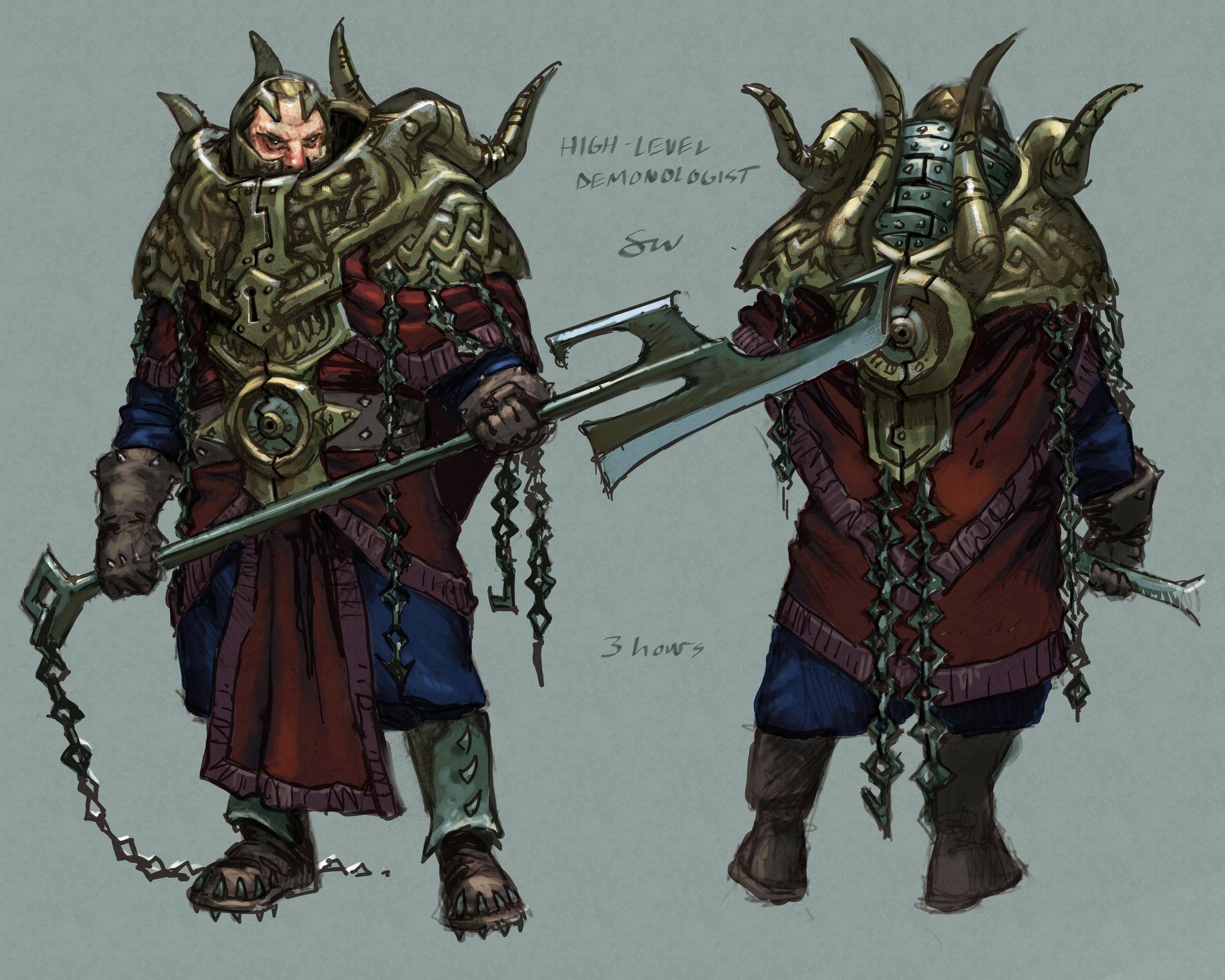
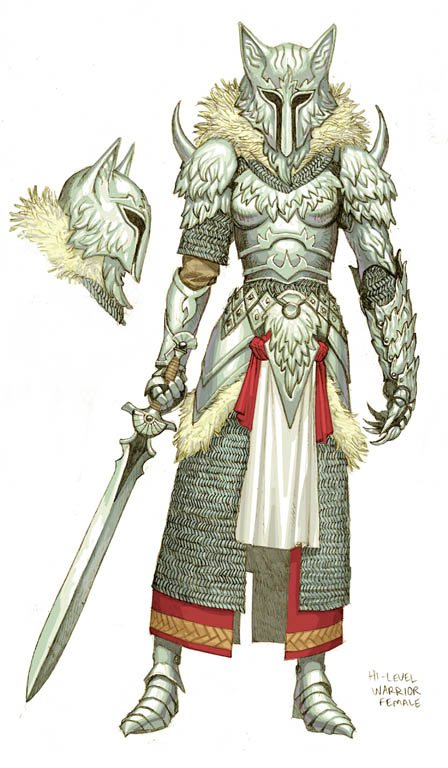
The designers planned several highly distinct roles. Each had to look unique, work across a variety of body shapes and allow for progression over time. With Sam Wood on concepts and Leigh Kellogg on technical direction, I devised a plan for swappable components, designed within a set of shapes that gave each role its own silhouette.
Pyromancer gear only worked with other Pyromancer gear, but just three fully componentized outfits could turn into hundreds of player variants. The biggest challenge was making characters as interesting from the back (where players spend most of their time looking) as from the front. Sam is a master at integrating big ideas into a beautiful plan.
Monster mayhem
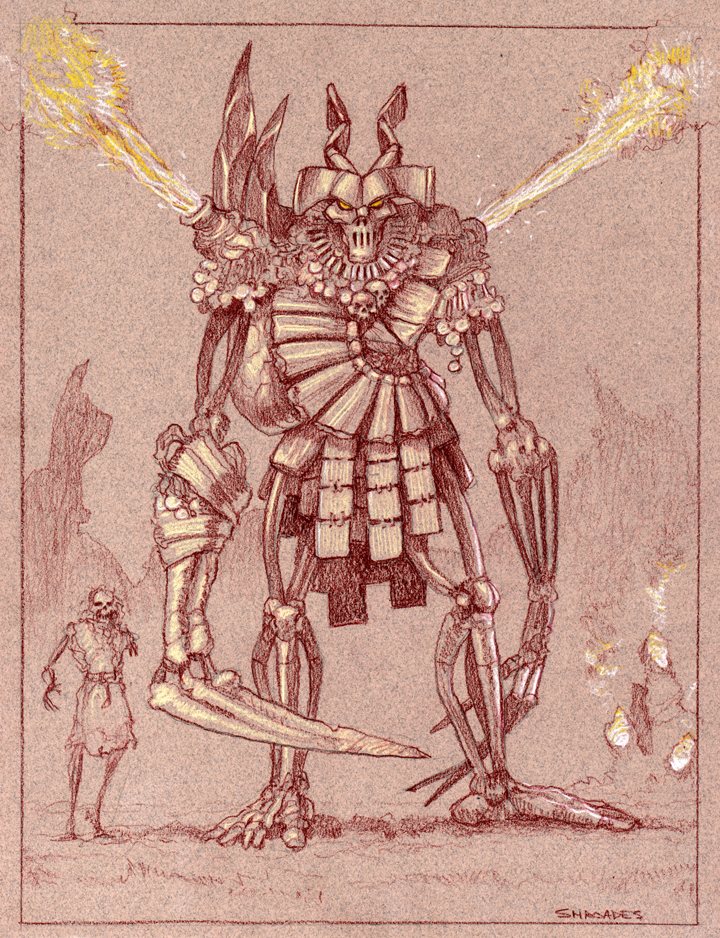
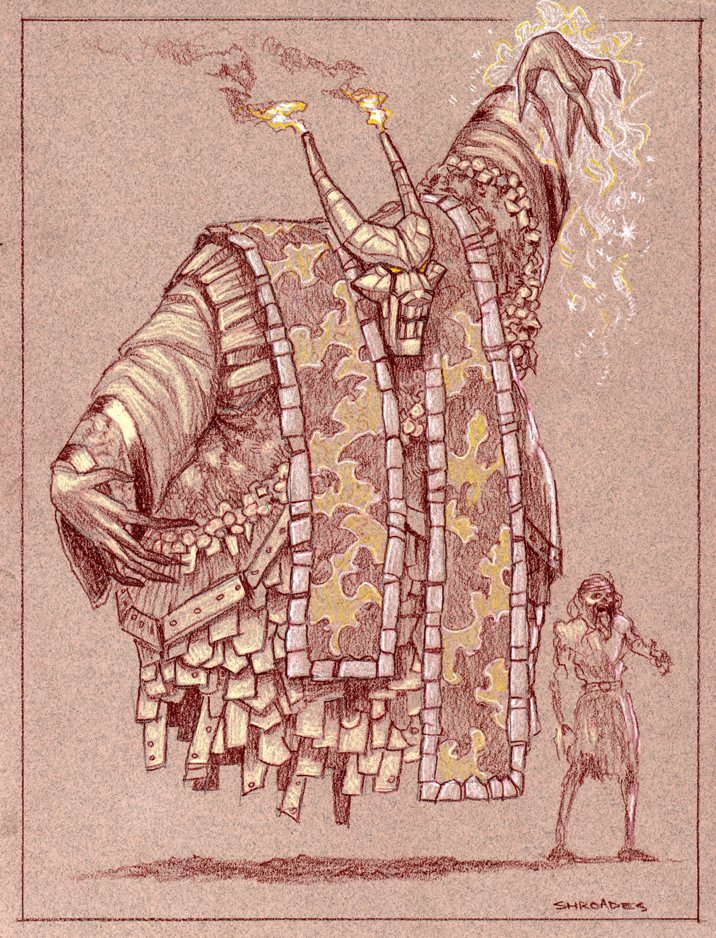
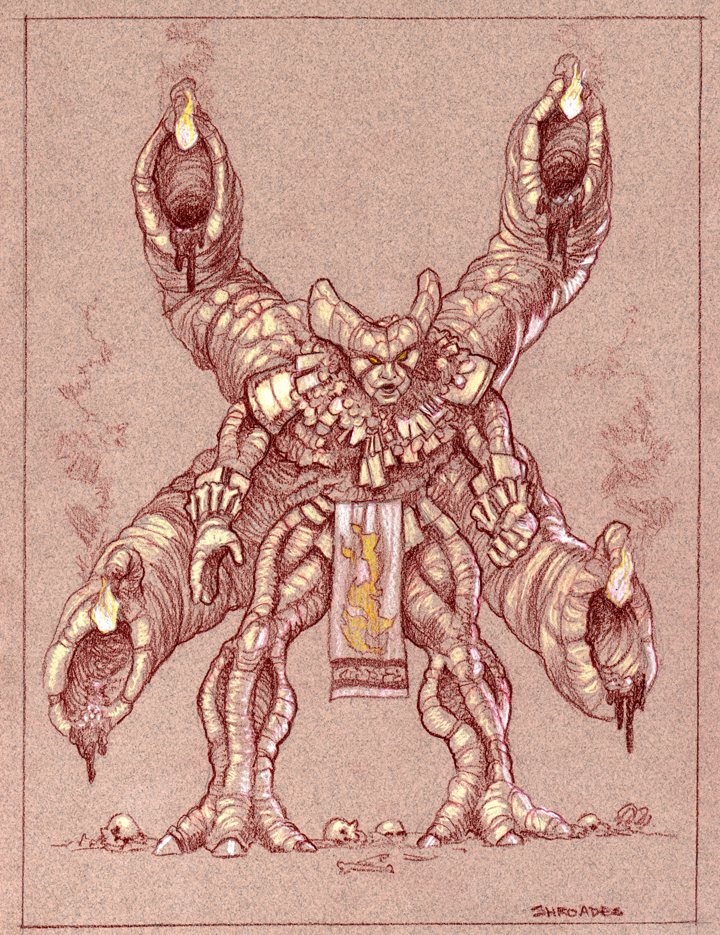
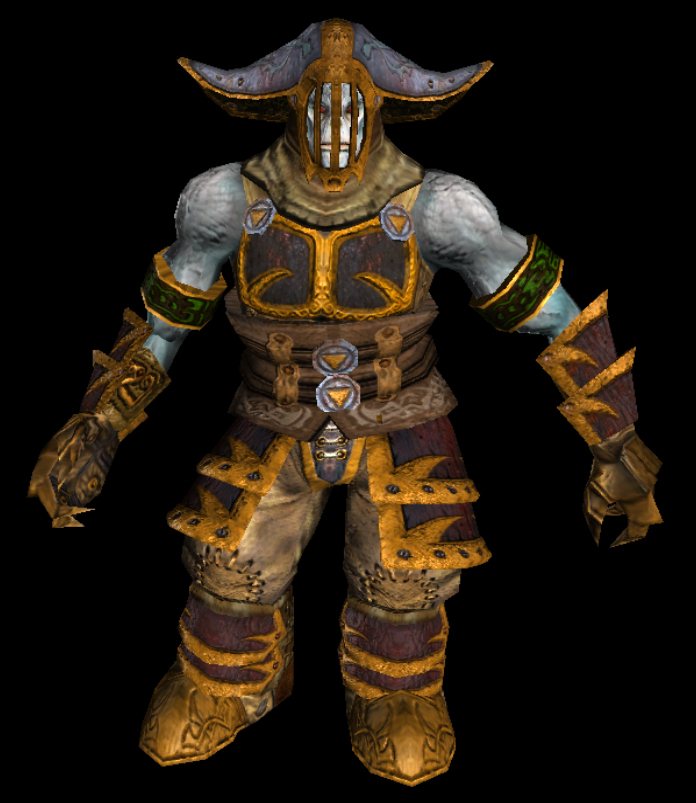
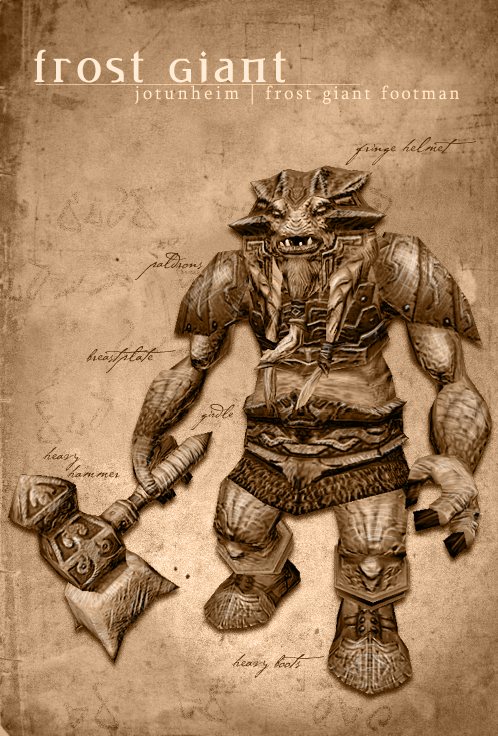
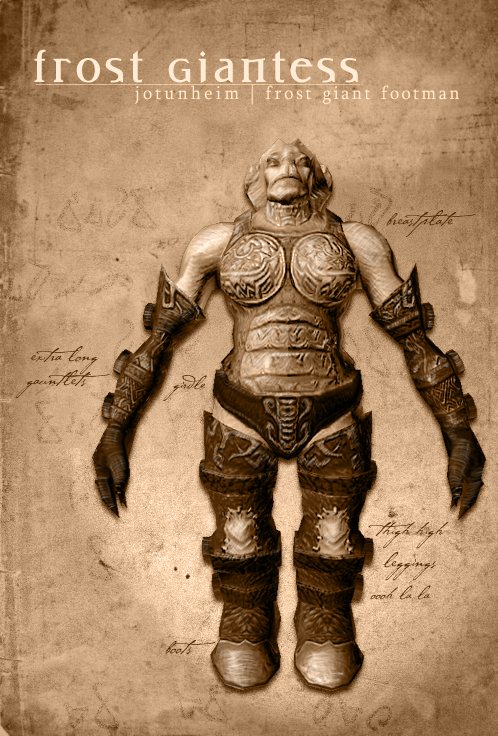
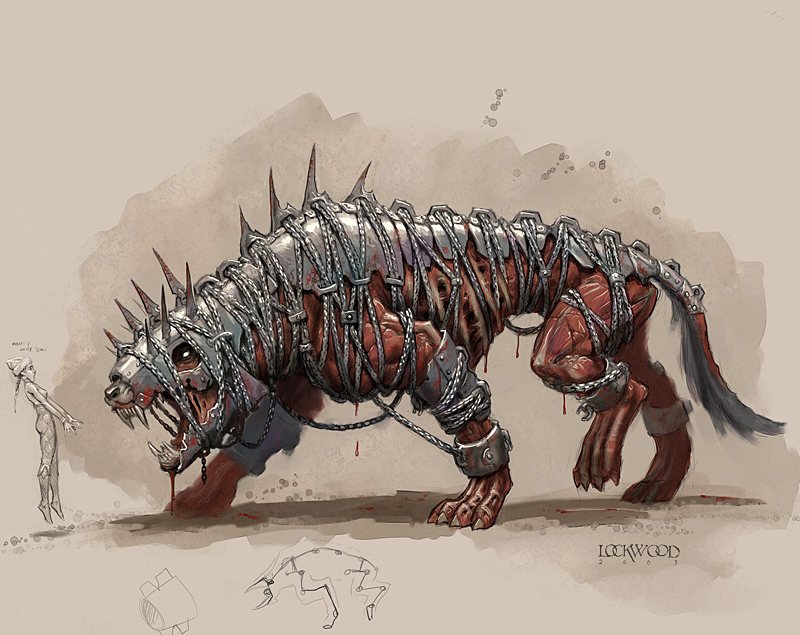
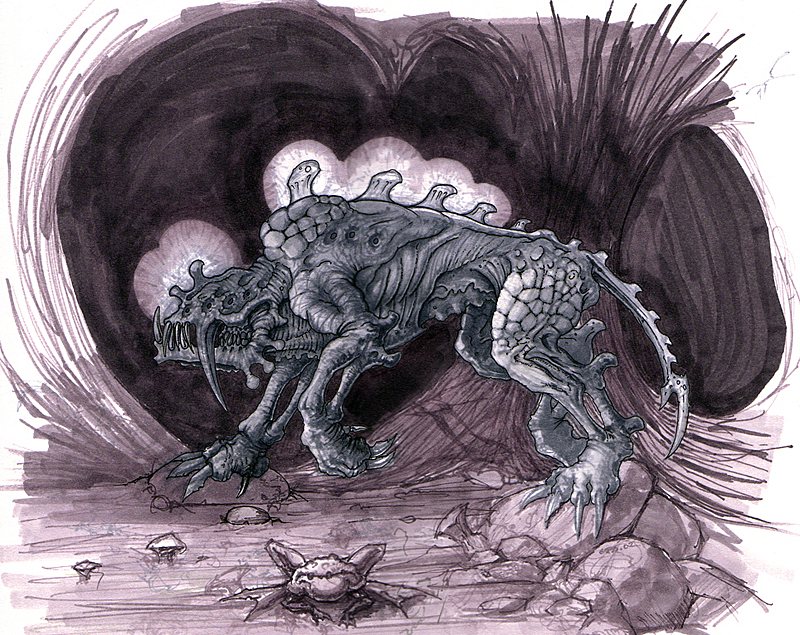
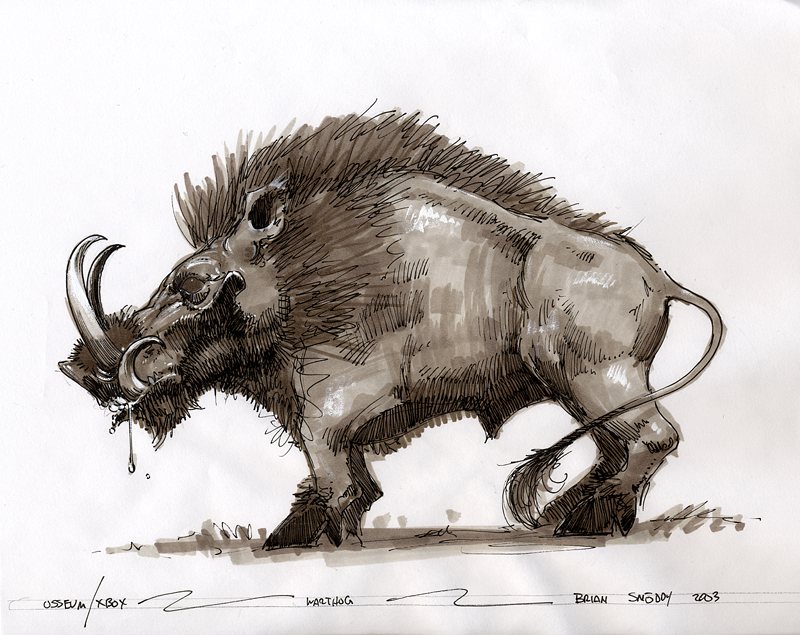
We wanted our own stamp on the look and personality of every beast, from the savage wildlife of Vanaheim to the frozen ice trolls of Jotunheim: interpretations you'd only find in Mythica.
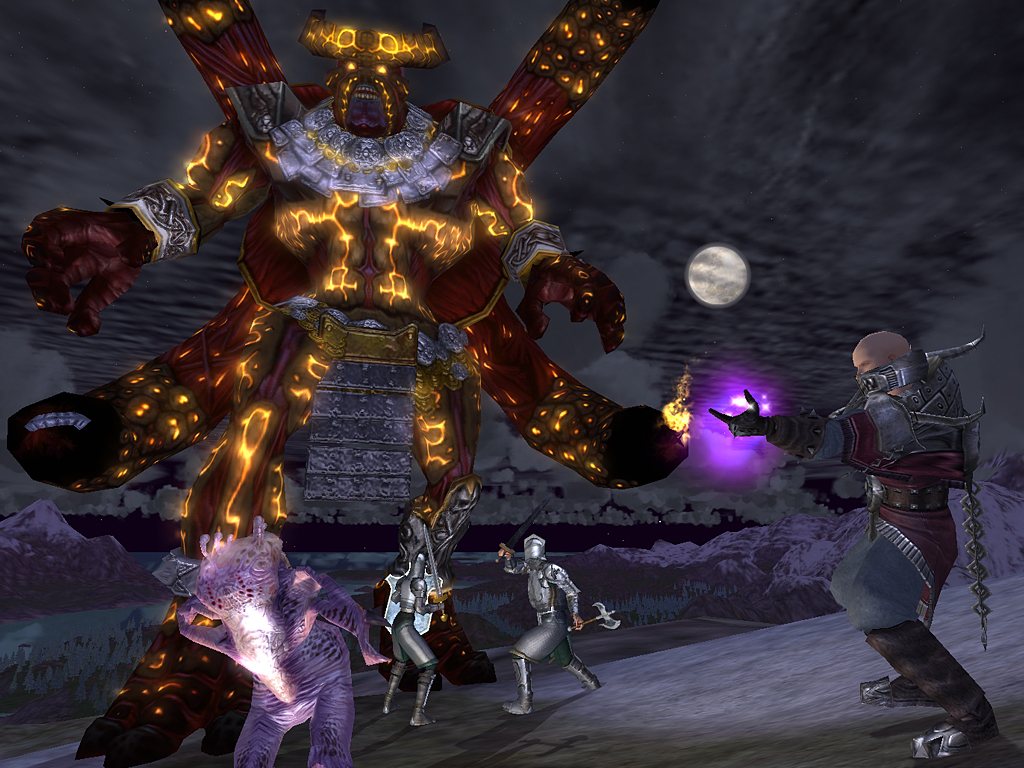
John Shroades' inventive take on the Fire Giants was the catalyst for everything else. From those beginnings we designed more than 200 completely original creatures, many with interchangeable armor or accessories.
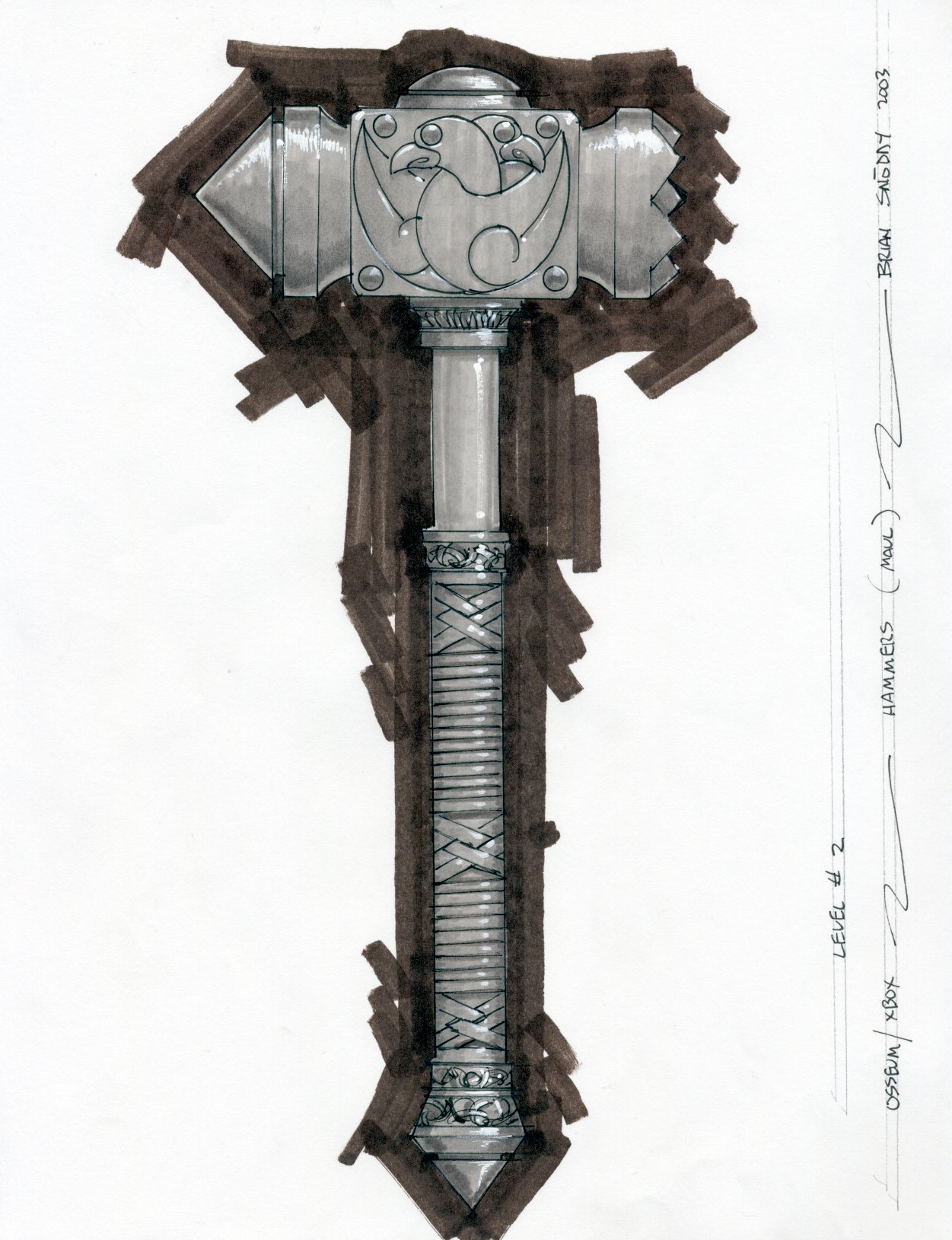
Signature weapons
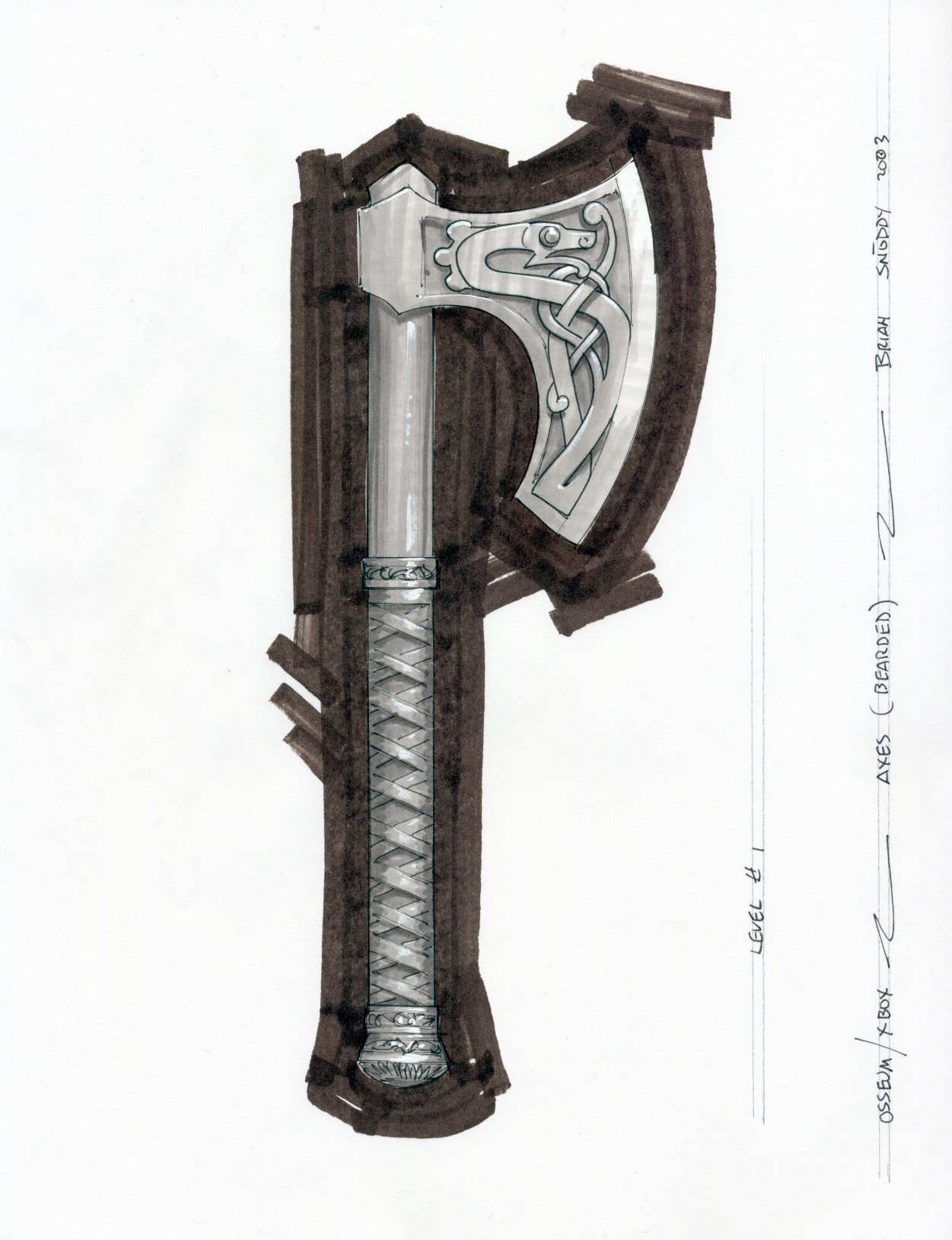
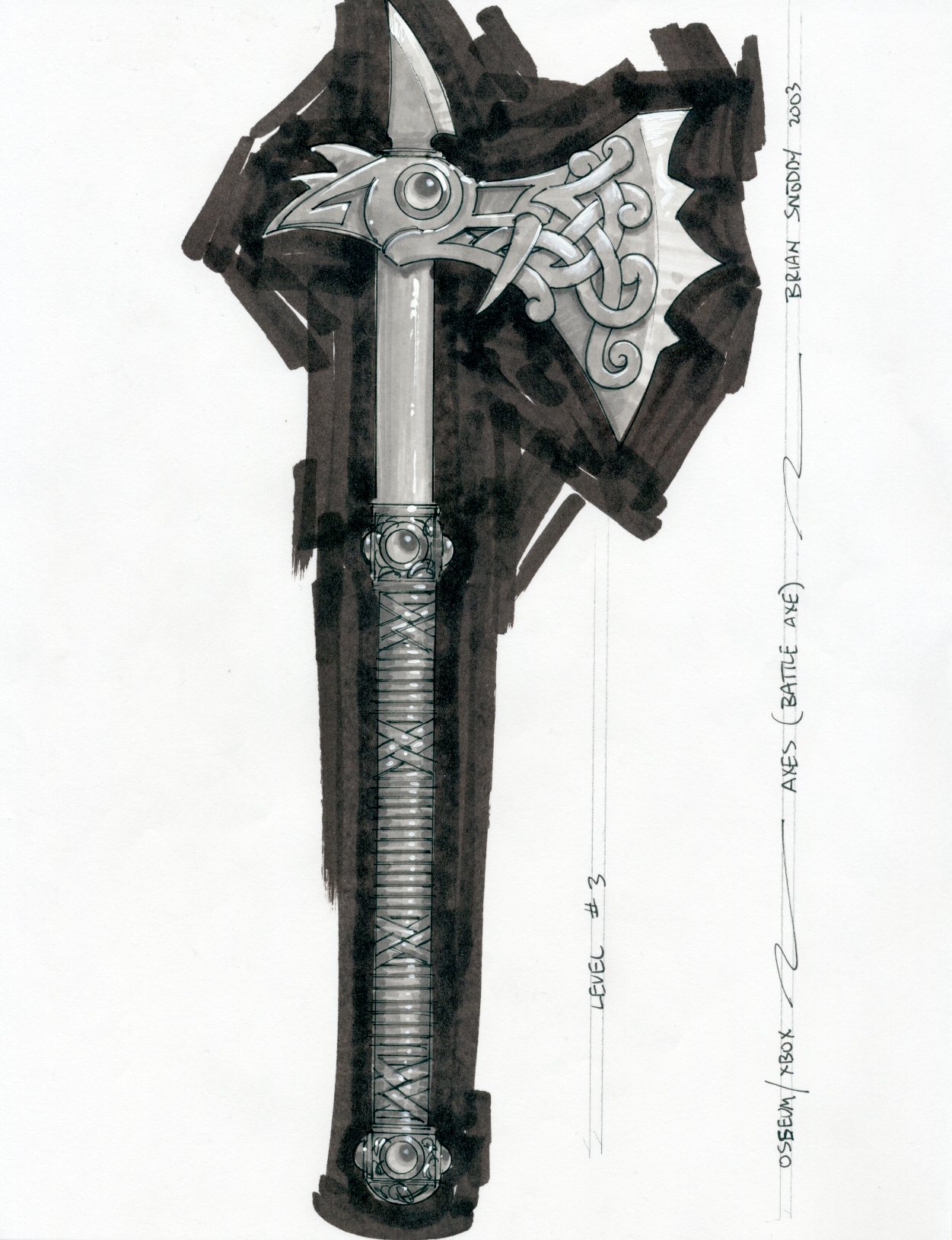
No game about fallen Viking heroes would be complete without a vast arsenal of brutal, powerful weapons. My direction to Brian Snoddy was simple: these are godly weapons, so embellish the heck out of them. (A nice collection of carving samples from the Heddal stave church helped too.)
Mood and tone
Even the best concept artist needs guidance, so I borrowed a couple of pages from the ad and marketing folks: creative briefs and mood boards. Depending on my relationship with the artist, a brief might run a few paragraphs or be as short as a descriptive name.
Mood boards pulled from whatever reference fit (photographs, paintings and, as the game progressed, screenshots of pertinent assets), carefully edited for consistent color, tone and shape to give fertile ground for interpretation. Once a concept met my approval and satisfied design, it went into the production queue. That's where things really got cooking.
Execution
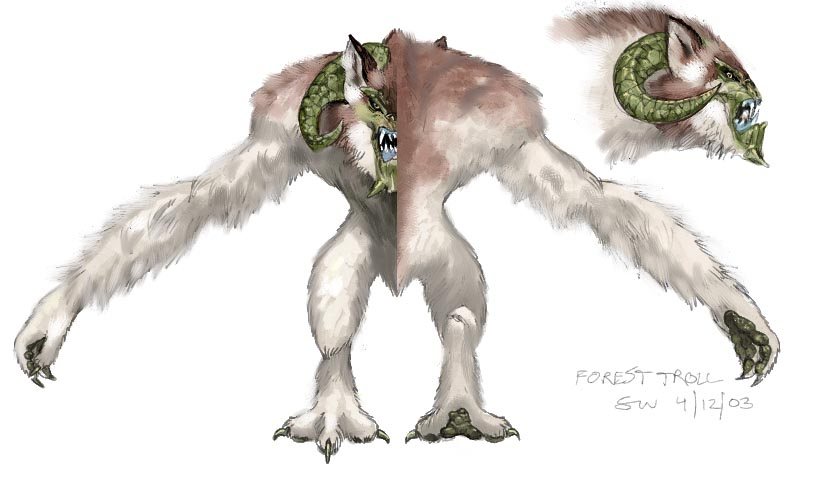
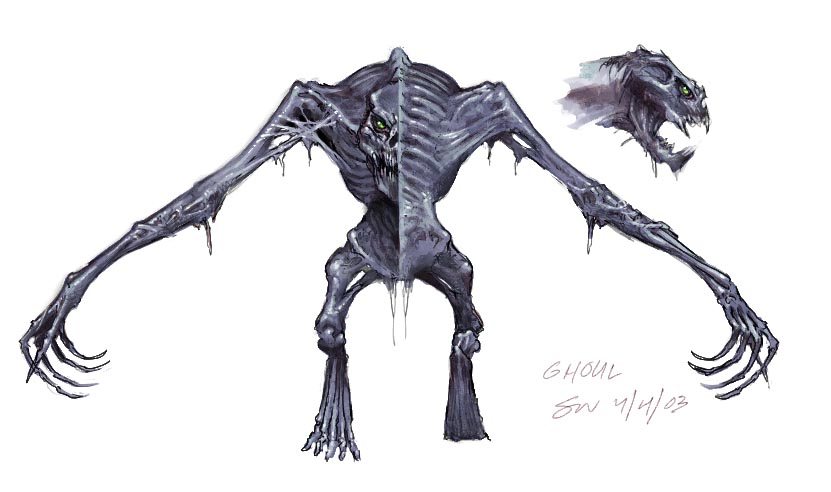
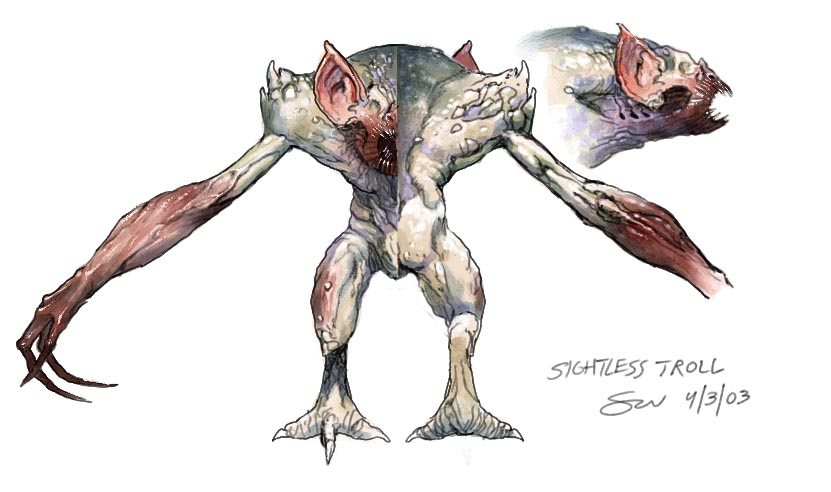
Asset creation on an epic scale
MMOs are big. Douglas Adams goes on and on about how big space is, but he wrote that before we had MMOs. You're always building on top of what came before without breaking it, and you (or the team maintaining the game) live with those decisions for years. Players consume the game over hundreds of hours, not tens, so you need systems that make new content from new combinations of existing parts. A team of 80 can build 12 hours of AAA content; nobody wants a team of 800 building 120 hours. Work smarter, not harder.
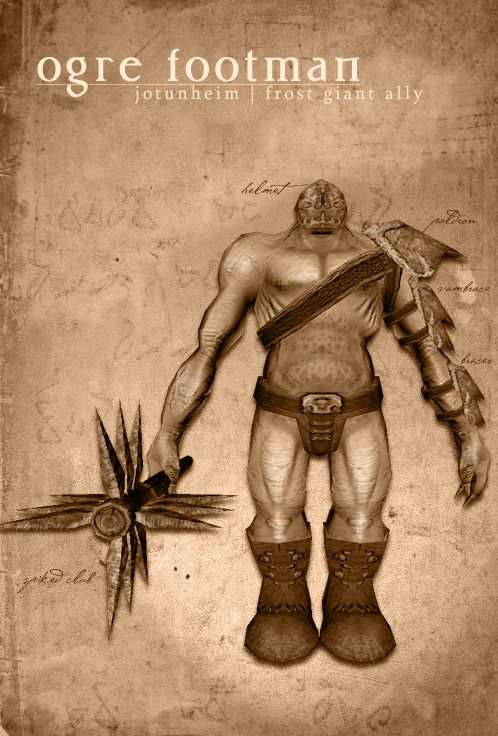
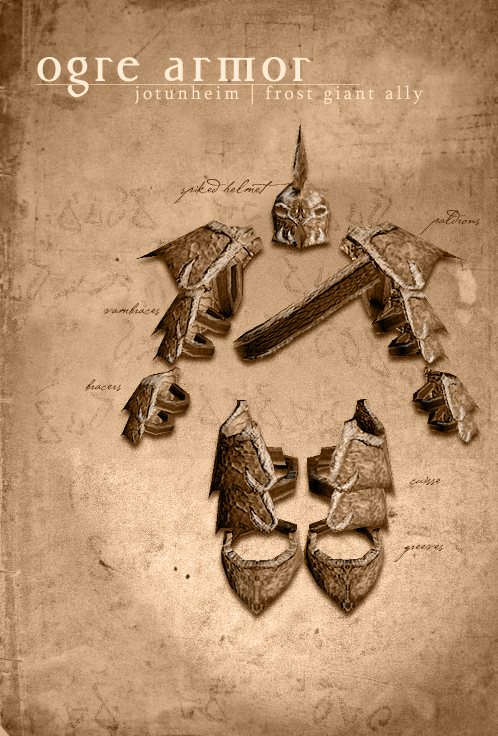
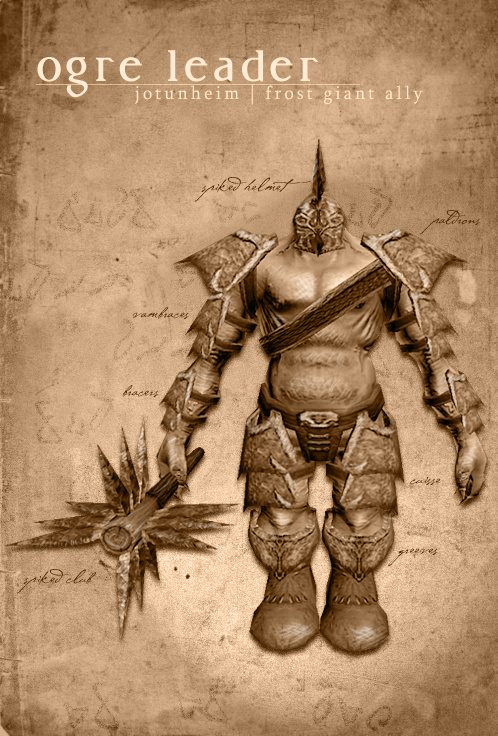
One of my biggest contributions was turning creature archetypes, subtypes and multi-types into an actionable plan. Animation was one of our biggest expenses, in production and in performance, so I made sure the hundreds of planned creatures would work on only a dozen skeletons.
Dozens became thousands
We also designed our humanoids to accept armor as attachments, so one creature or character could be outfitted many ways for only slightly more than the cost of one. Programming had to support it with in-engine mesh and texture merging to keep draw calls under control, but the benefit clearly outweighed the cost. Dozens of assets became thousands.
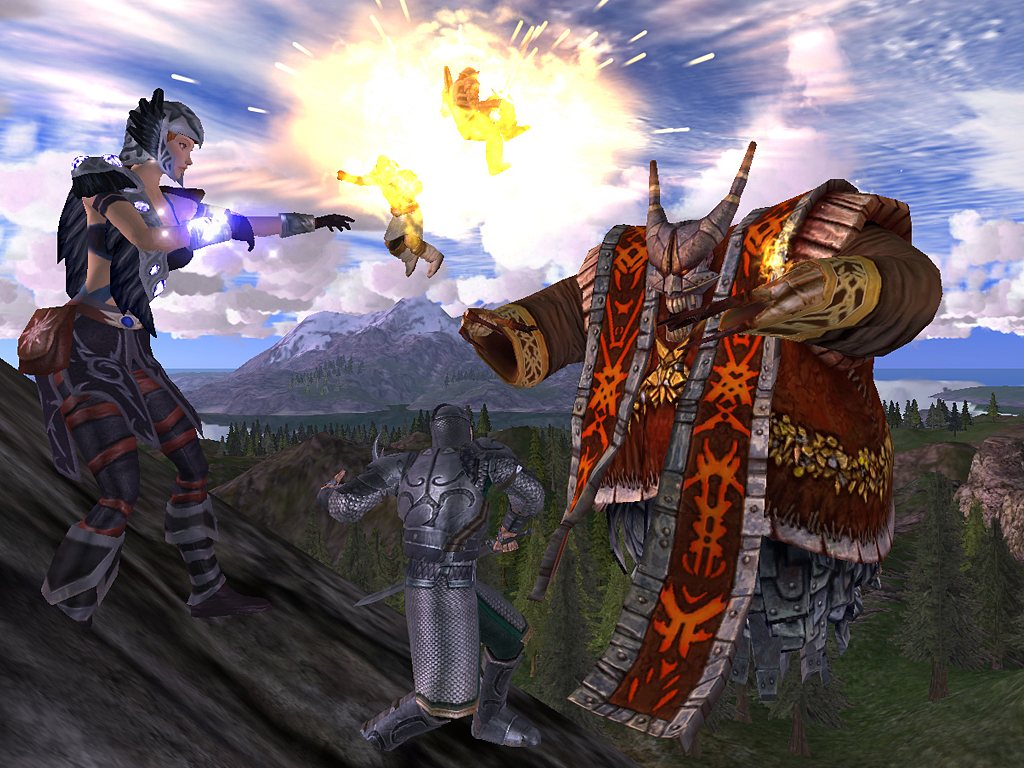
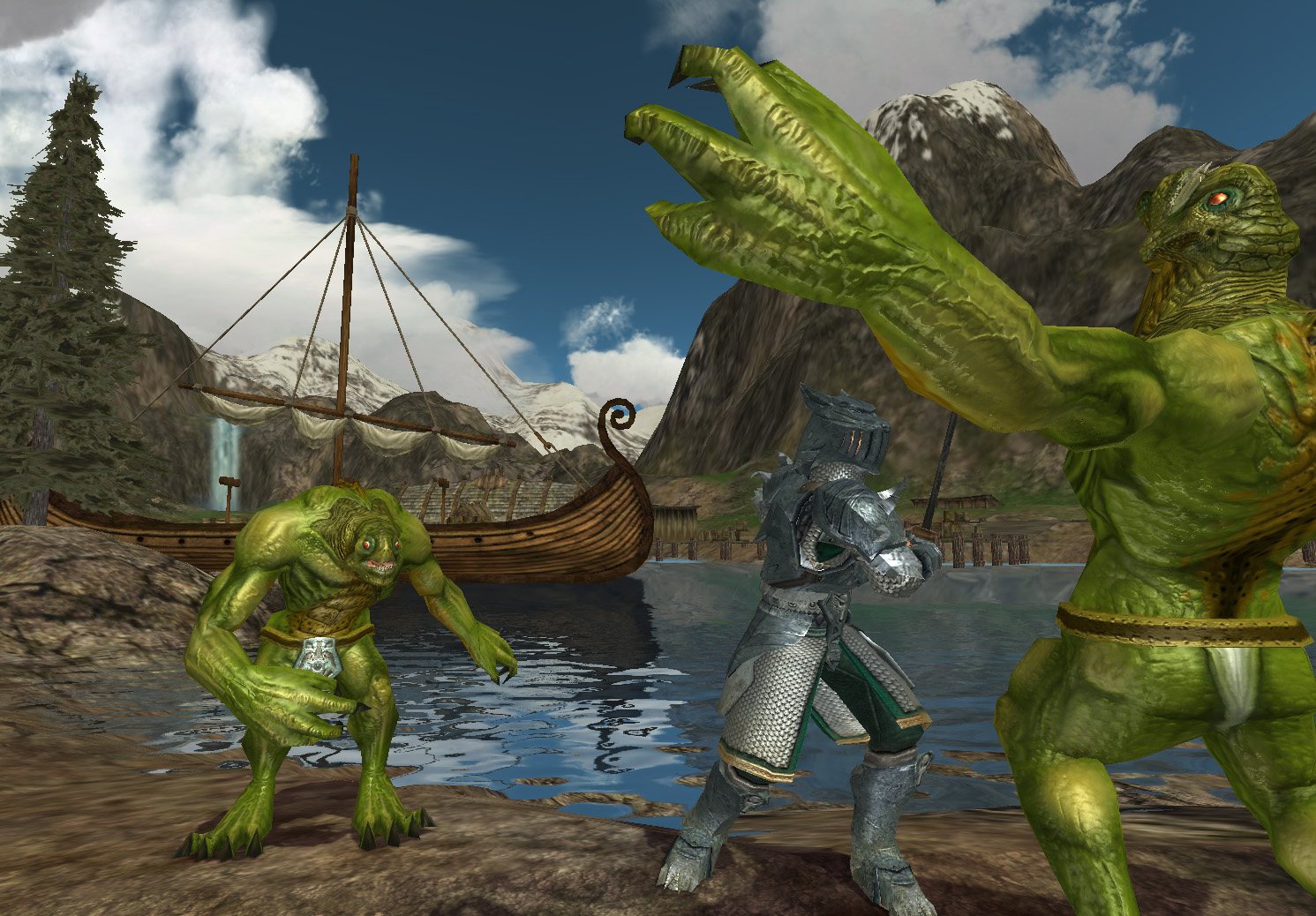
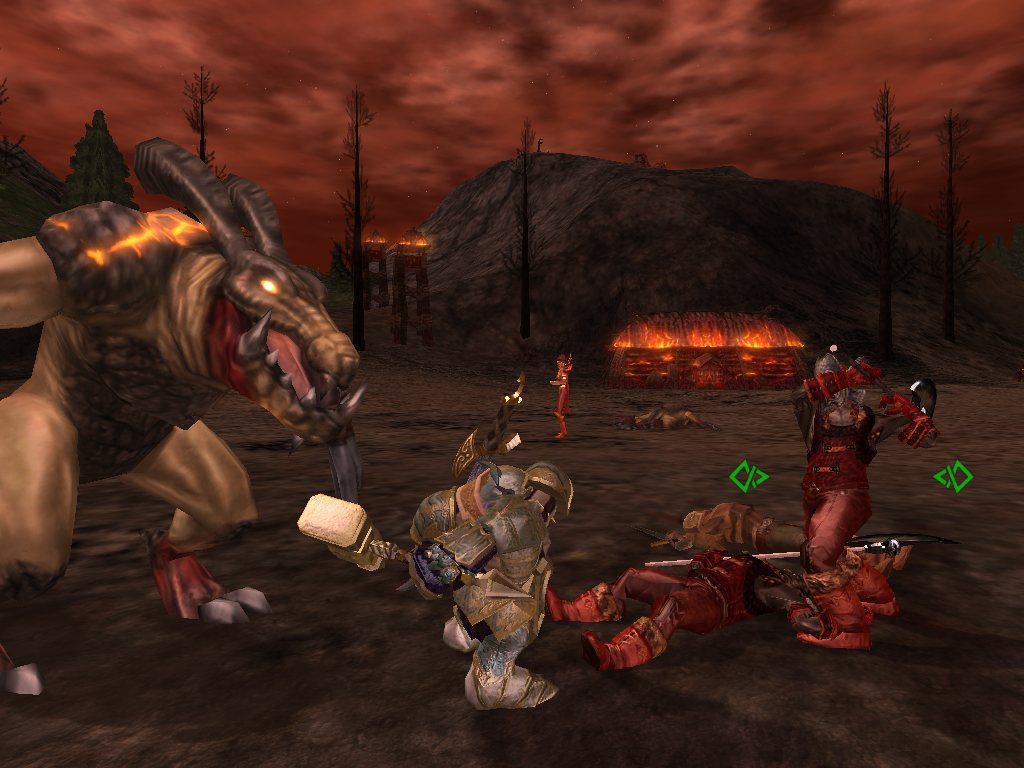
A warrior's dreams
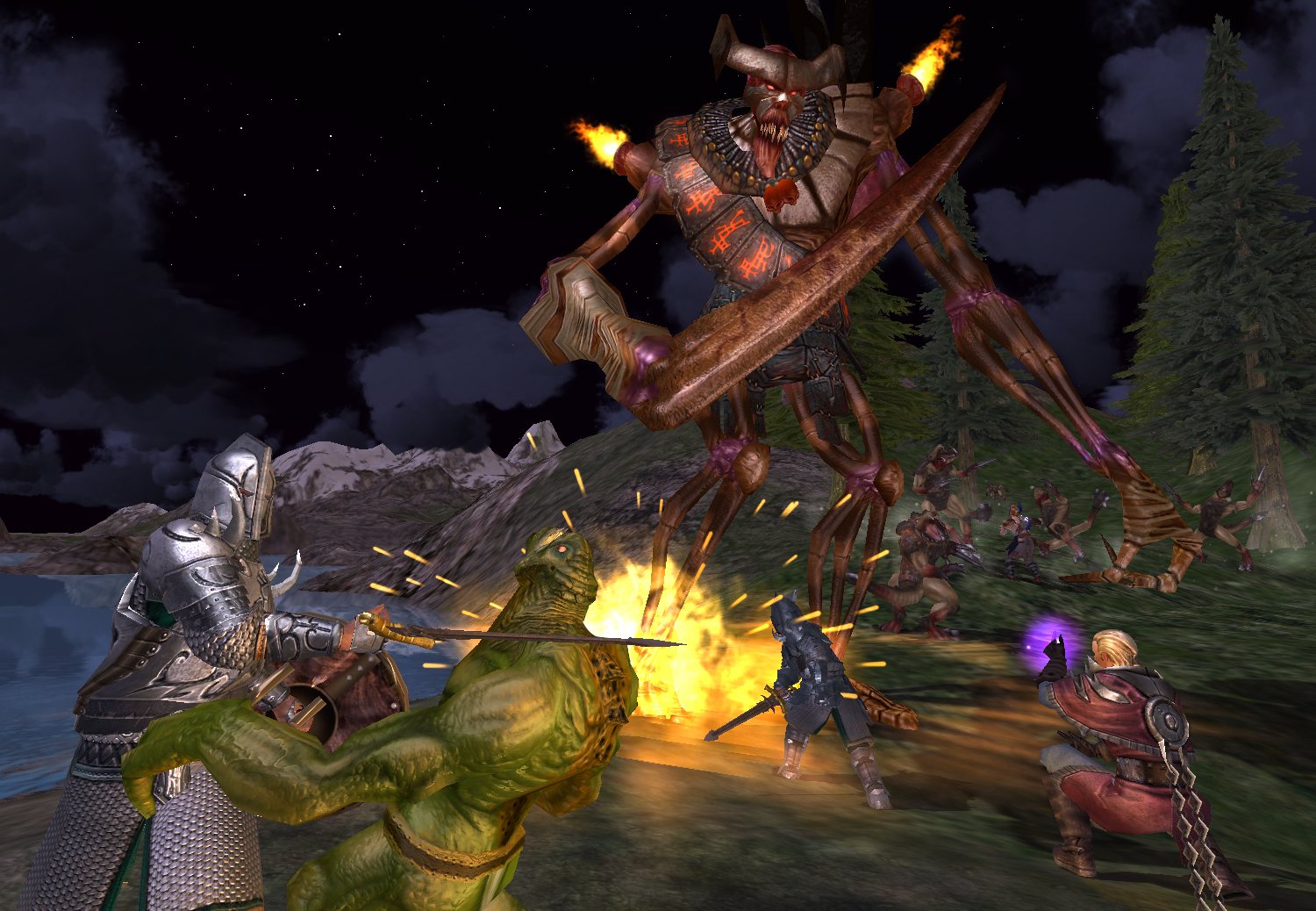
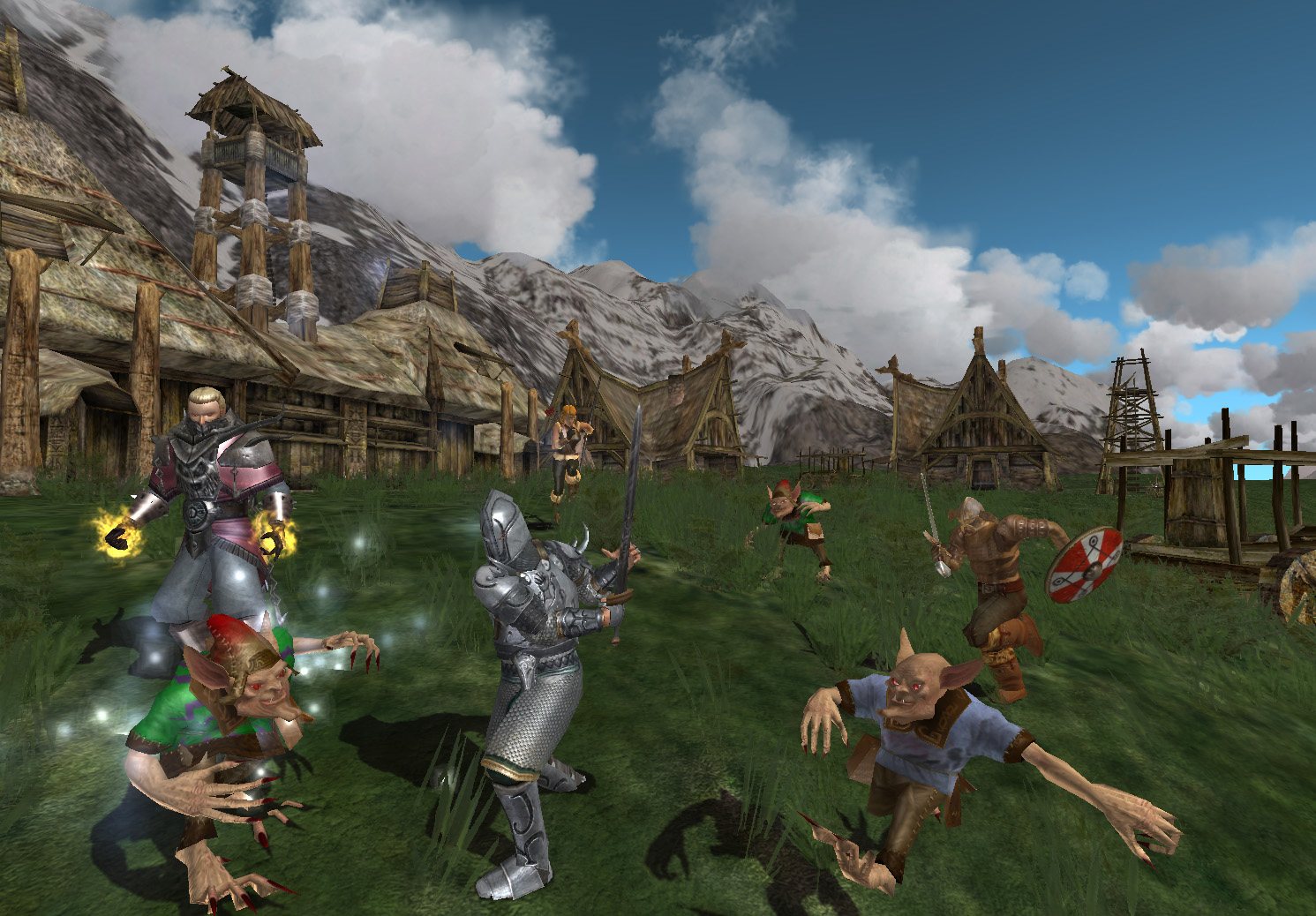
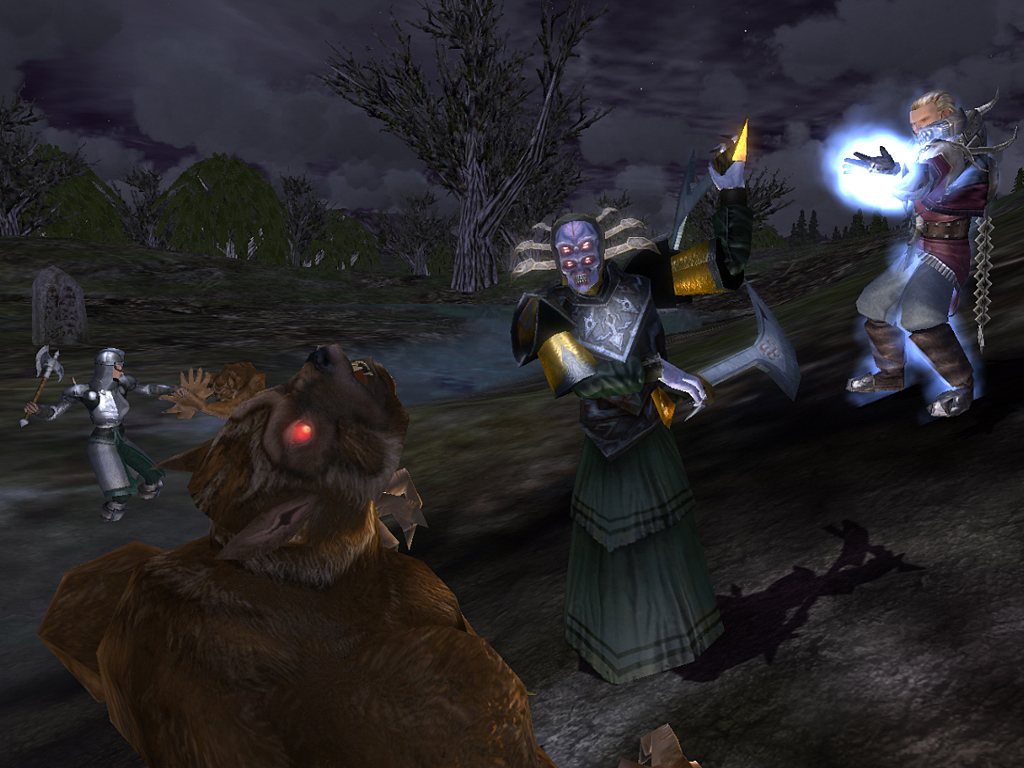
Group combat in Mythica, circa 2003. Screenshots are great, but seeing the game in action is better. The video is a reprise of one of the quests we showed at E3 in 2003.
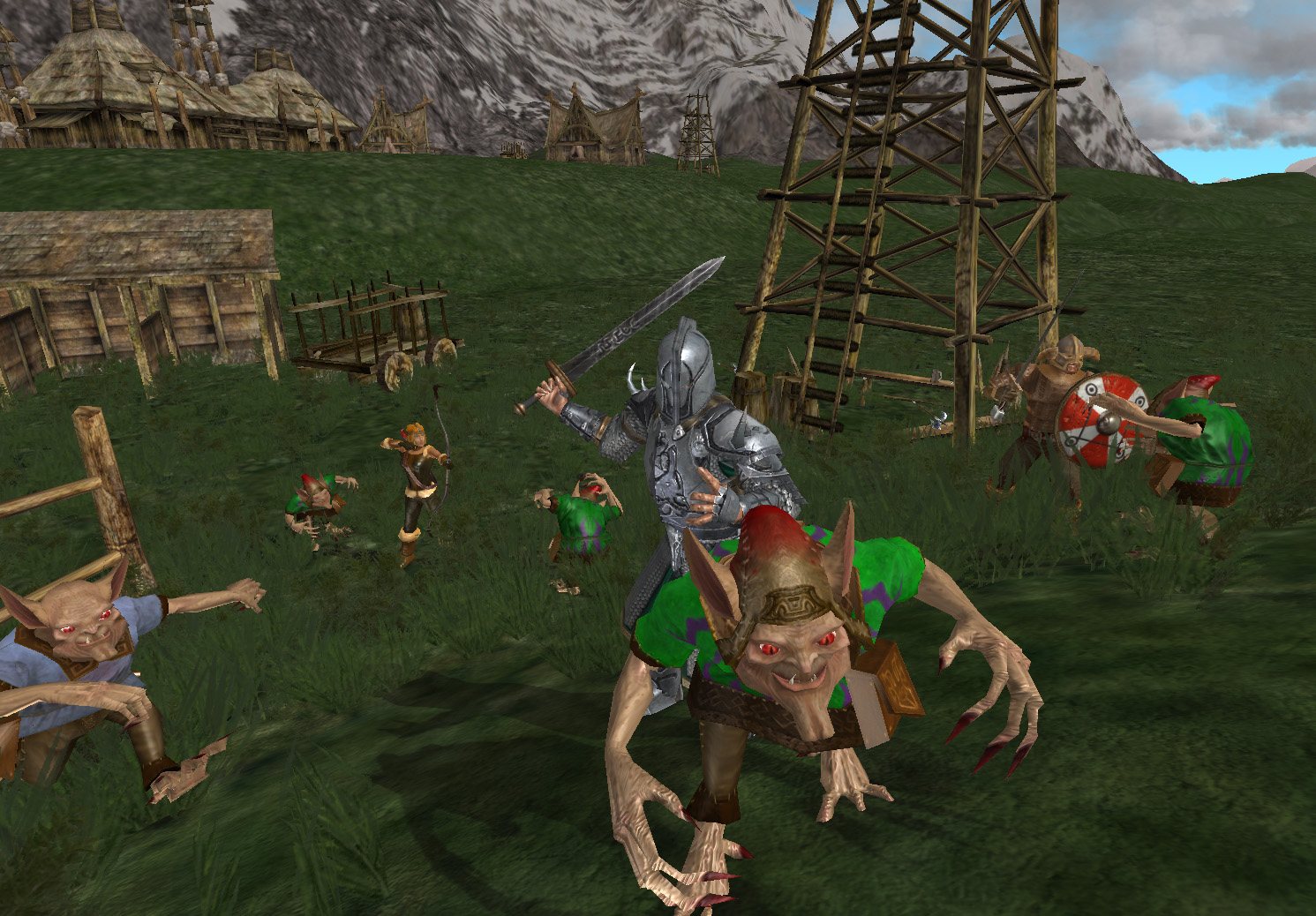
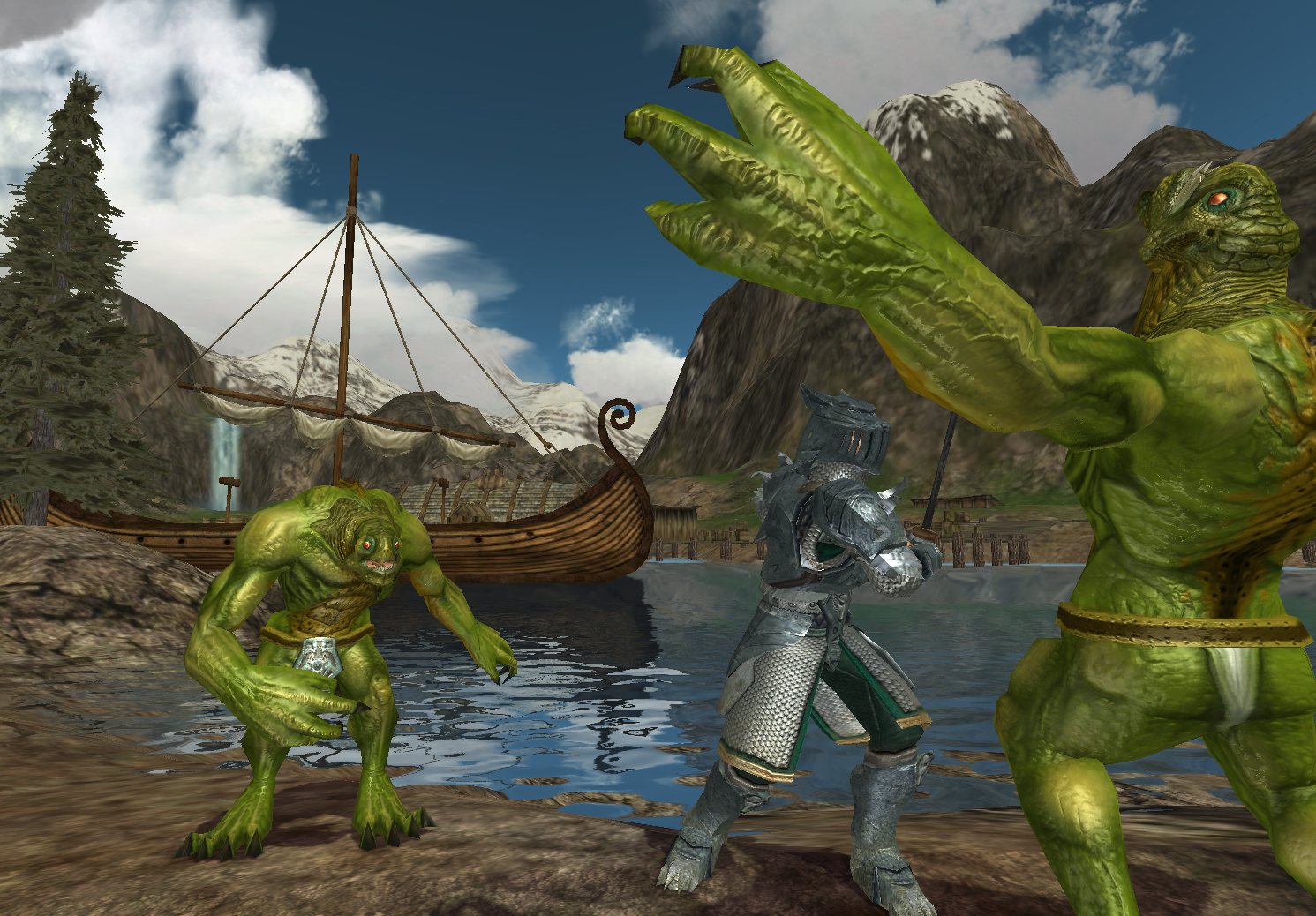
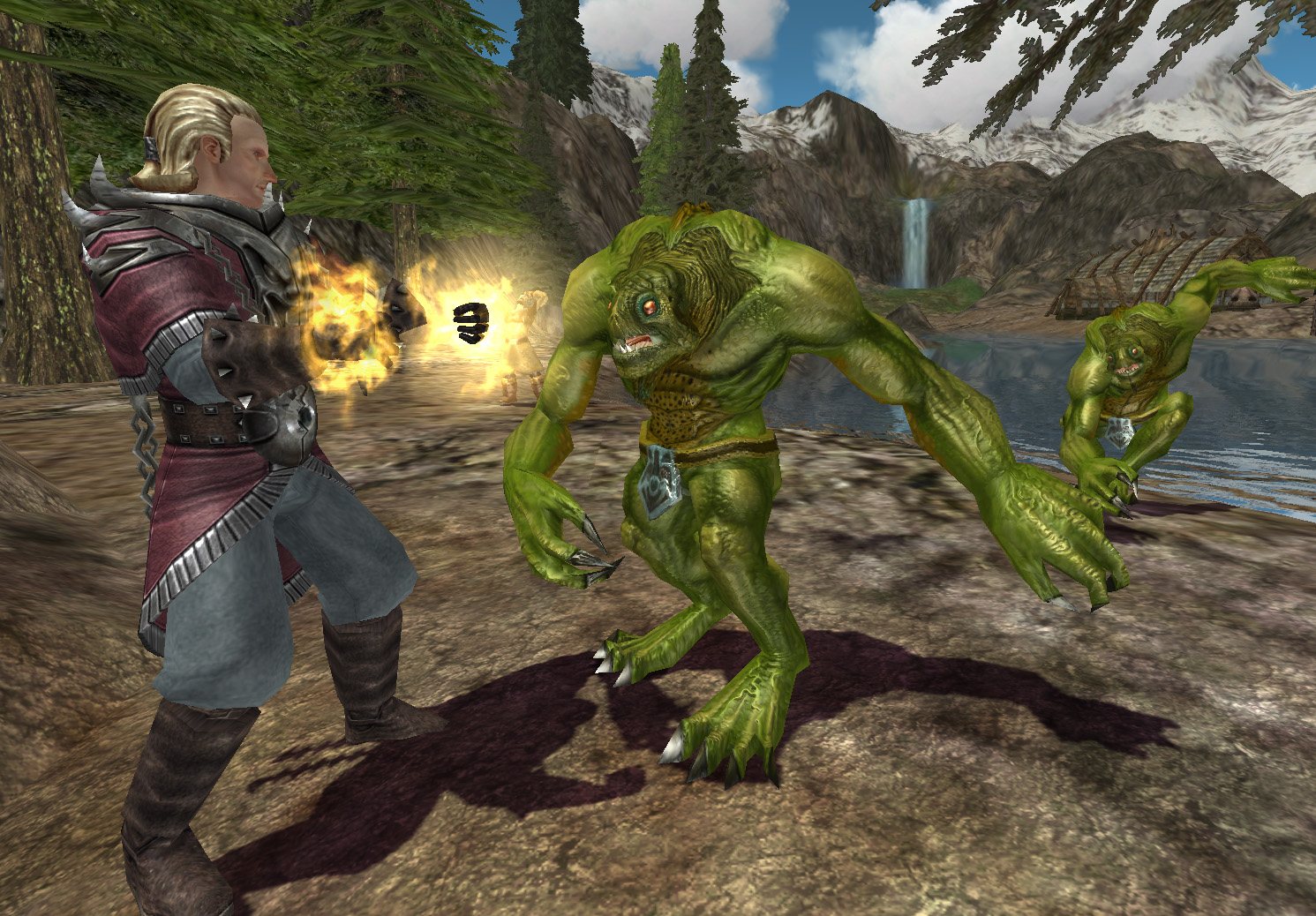
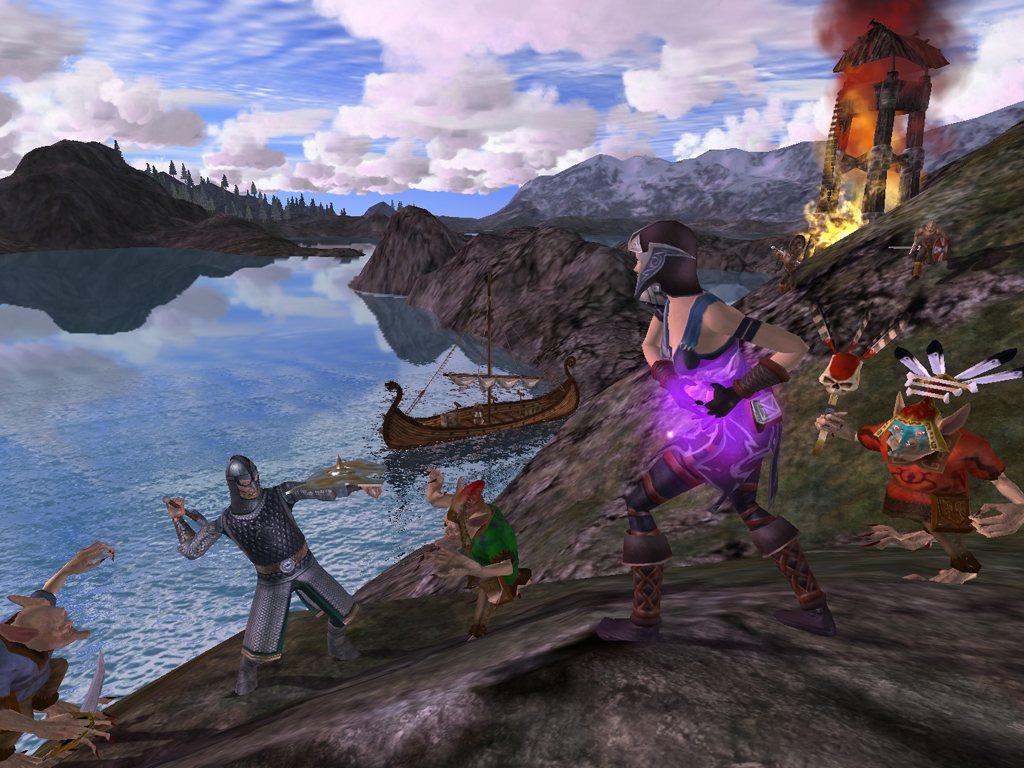
Art direction in action
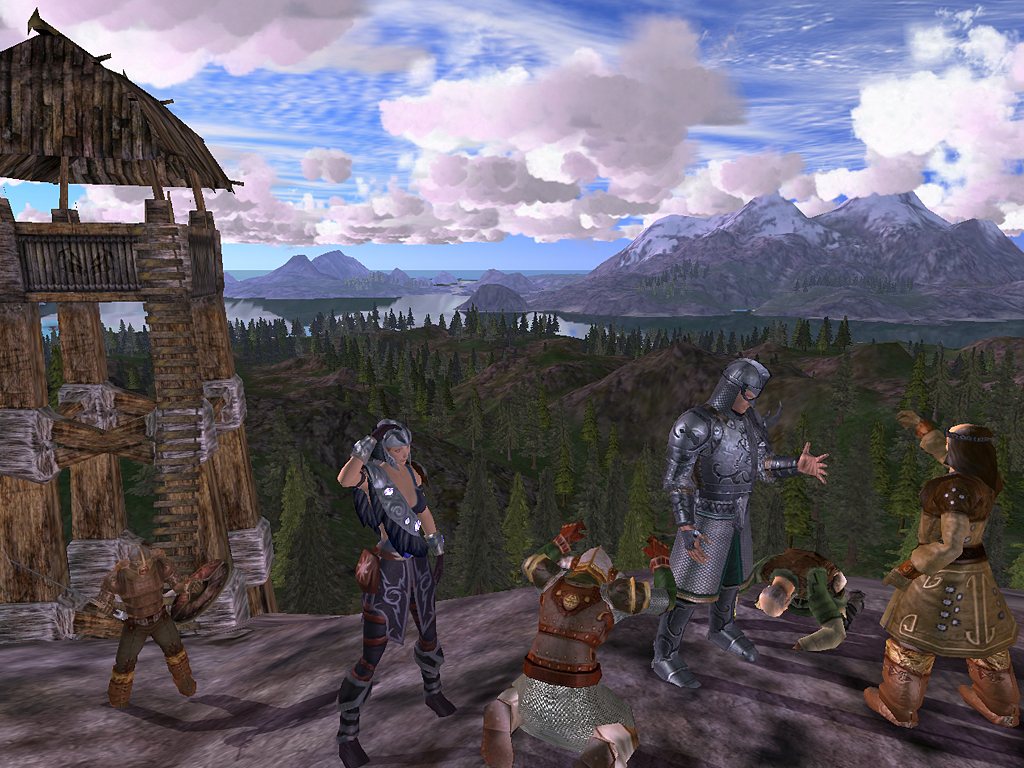
Whatever the tech gives or takes away, art direction comes down to solid fundamentals: legible silhouettes, dimensional volumes, excellent painted textures, fluid animation, good light play on surfaces and an evocative mood. I worked with artists daily to keep the bar high, and even submerged into environment lighting so each realm captured the proper tone.
The really impressive thing was how the team brought those concepts to life. John Shroades, Greg Onychuk, RK Post, Patrick Watje and Adam Crockett turned monster concepts into 3D models. Leigh Kellogg and Gene Kohler nailed the outfits and character models, creating sexy and powerful heroes. Michael Cahill, Gene Kohler, Rob Johnson, Jim Millar and Deanna McGahan built lush worlds for the action. Steve Scott made incredible special effects (and some great creatures too). And the animation team (Robert Smiley, Mary K Omelina and Theron Benson) brought it all to life with expressive, powerful motion. It was a tremendous honor to lead them.
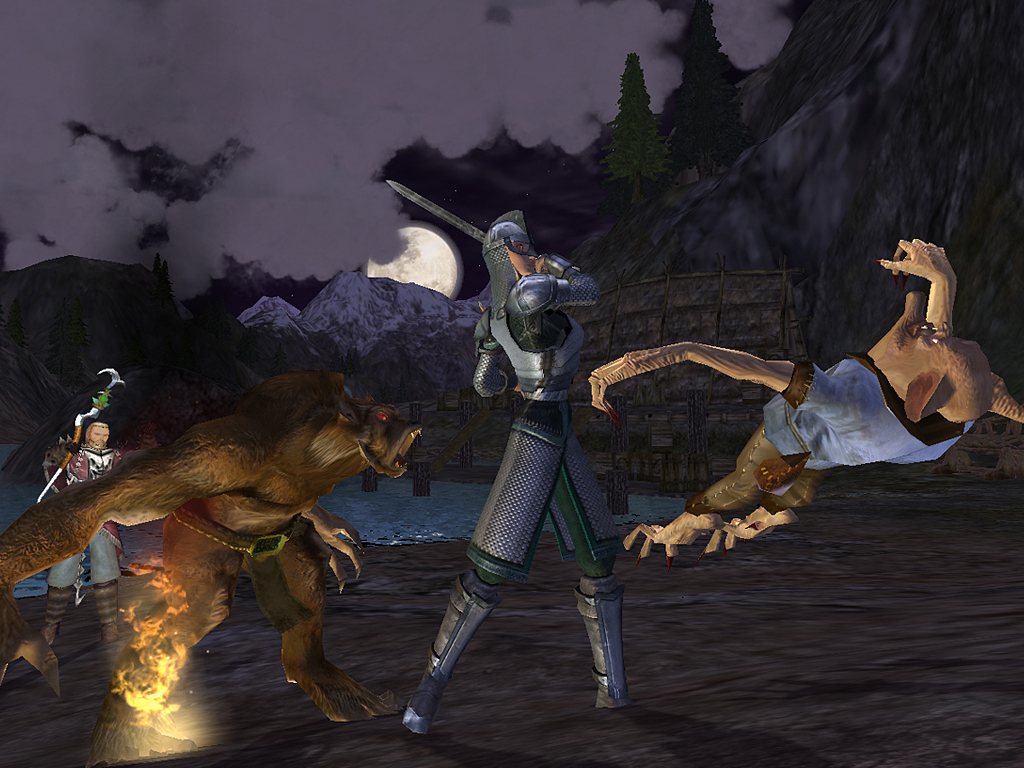
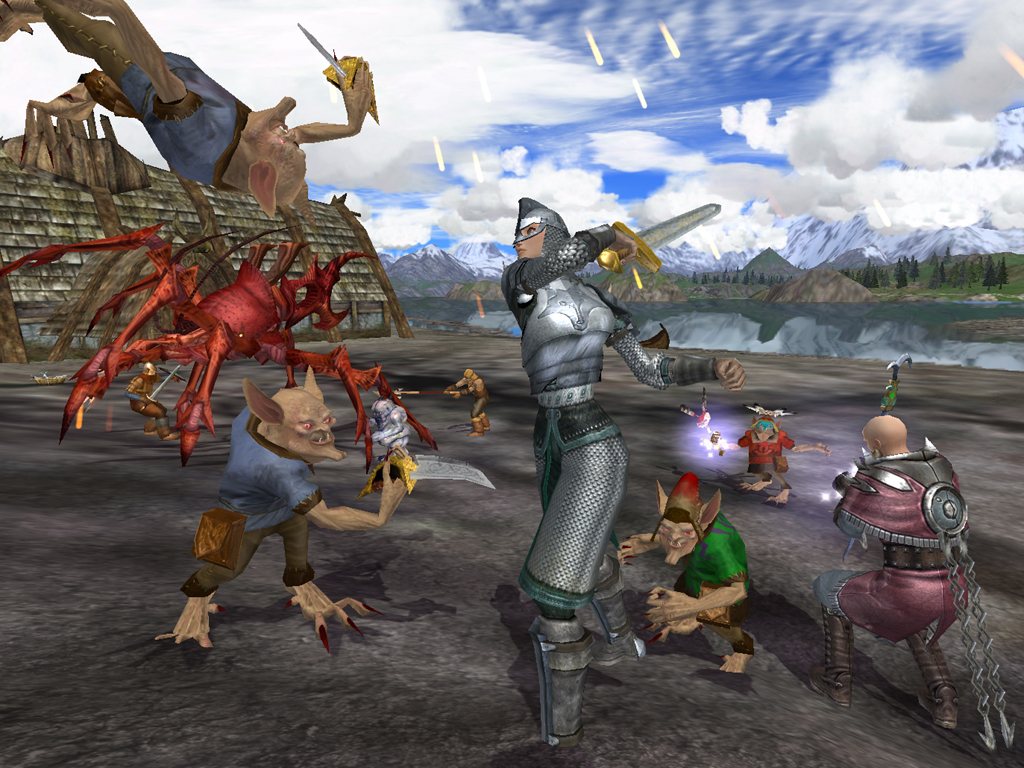
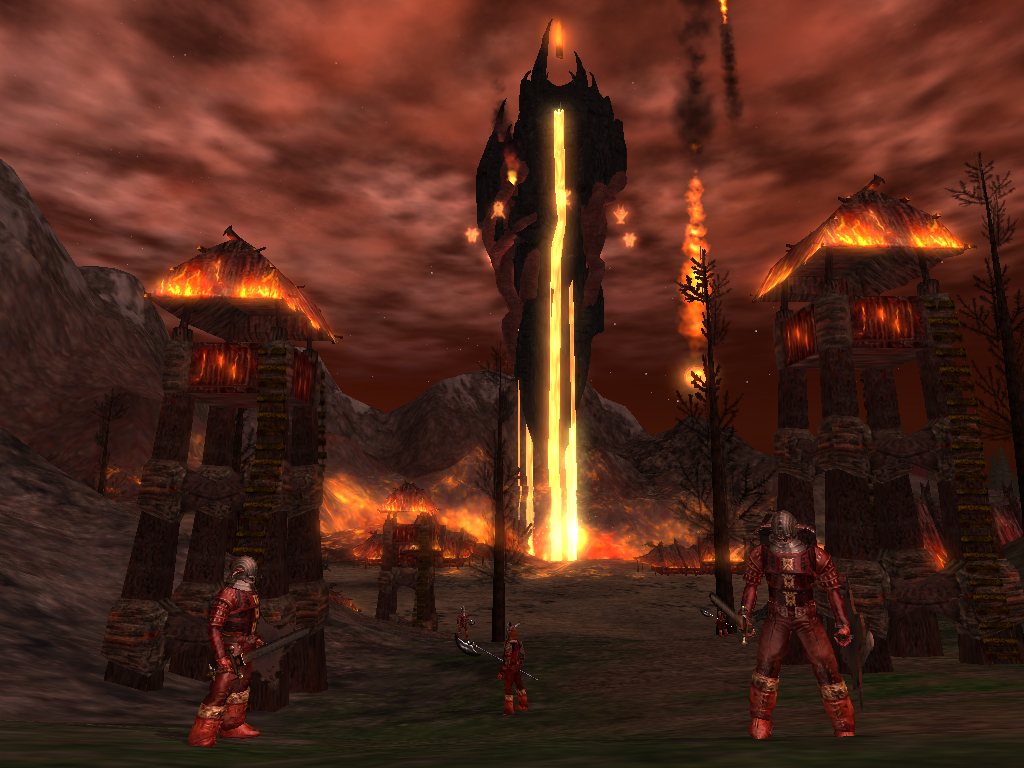
Technical mumbo jumbo
Mythica was high-tech for its time, but it predated composite dynamic lighting, ambient occlusion maps and even tangent-space normal maps. We had an early take on a spherical harmonic light map: a directional vector for the dominant light (the sun or moon as it tracked across the sky), an ambient omni-directional value and a bounce light pointing back at the sun or moon. Dynamic lights were costly, so we used them very, very sparingly. Characters cast shadows on the ground but didn't self-shadow, and because the light source moved, static objects cast none.
Models had the standard diffuse, specular and normal maps, though our normal maps were painted height fields converted to normals (this was before ZBrush or Mudbox), plus a detail normal map for close-up surface detail. Most models were under 2,000 polygons; high-level heroes and bosses approached twice that.
Mythica ran on a proprietary engine built by superbly talented programmers at Microsoft. Our dynamic weather came from Microsoft Flight Simulator, our water from Microsoft Research, and the global lighting system (incredibly, possibly overly, complex) simulated atmospheric density and color distortion.
The tech was great, the art (if I do say so myself) was great, and the gameplay was really quite revolutionary for an MMO. We had at most a year to go when a change in business focus at MGS meant we never got to finish. For years after, Mythica turned up on lists of the best games that never shipped.
Dungeon Siege
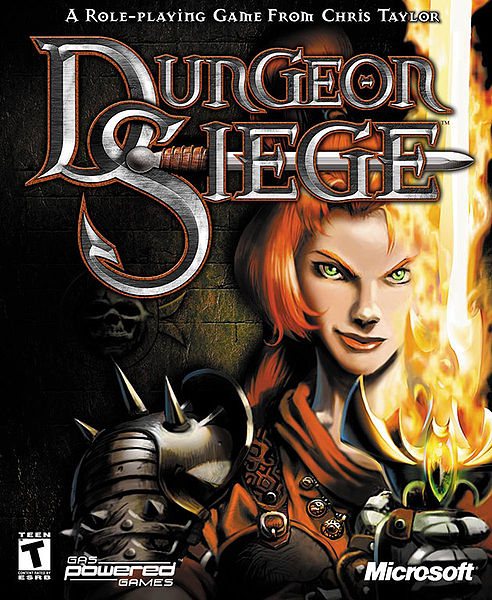
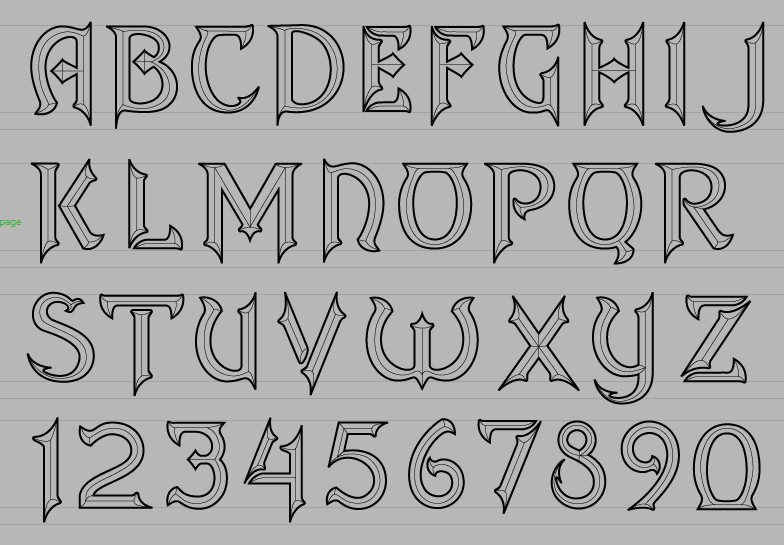
Keeping Chris Taylor's team on schedule and on the quality bar, critiquing the heroes, wrangling marketing assets and building a font from the game's logotype.
- Publishing
- Critique
- Typography
2002
Art direction on cruise control
On its own, art direction for Dungeon Siege was fairly light, but publishing means juggling. I reviewed artwork every day for Dungeon Siege, Asheron's Call 2, NightCaster, Psychonauts, Symphony of Light and the Raven and Rex project, and made due diligence visits to studios around the world. As our portfolio grew I eventually hired two assistant art directors, but I digress.
Beyond the review queue
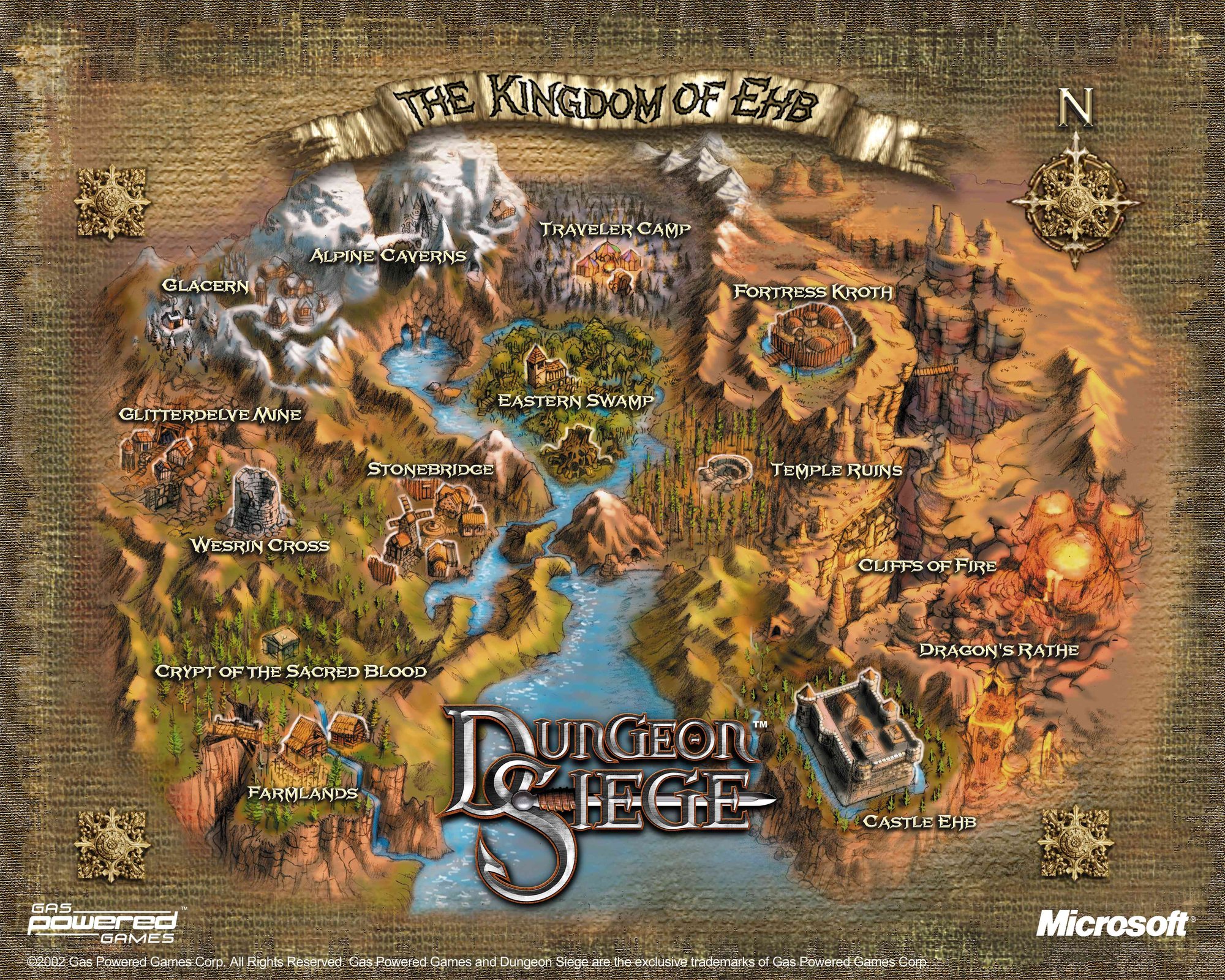
My main job was reviewing assets against the schedule to verify progress and keep the quality bar high. I also gave Chris Taylor specific critiques of the main characters (Farm Boy and Farm Girl), reviewed marketing assets with MS marketing every quarter, gathered screenshots for ads on demand, brainstormed with UI artist John Gronquist to bring more life to the interface, and worked on the game map.
And I built an entire font from the original Dungeon Siege logotype, right down to a .TTF of the display face.
Psychonauts
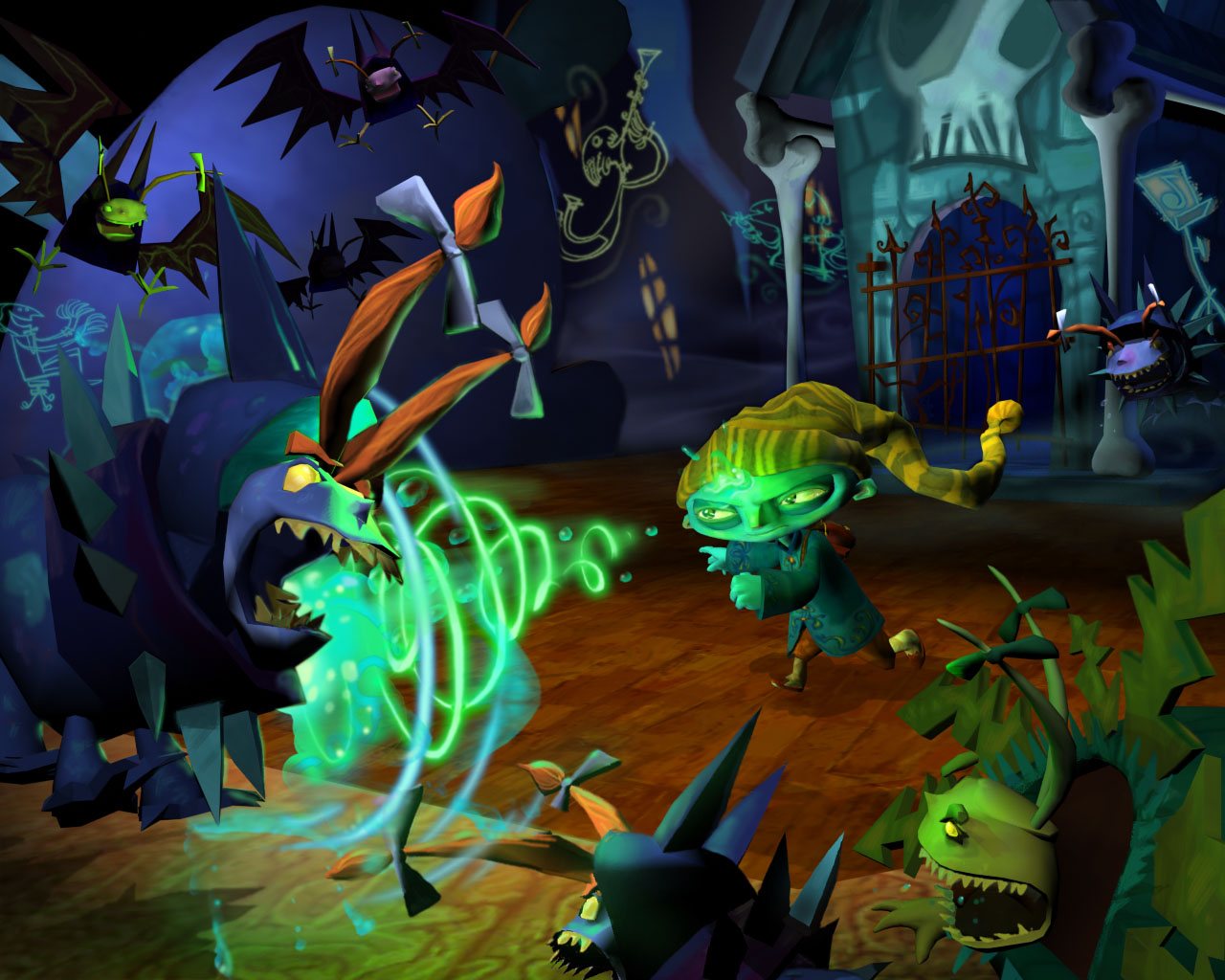
Defending a highly stylized vision: proving its marketability, steering the redesign from "Dart" to Raz, and making a custom CD label for the E3 press kit.
- Publishing
- Character design
- Focus testing
2003
Defending the vision
Majesco delivered Psychonauts to retail, but it was Microsoft that first invested in Tim Schafer's startup, Double Fine. I was on the publishing side from due diligence through almost two years of production, much of it evaluating assets and checking production against the schedule.
My most significant contribution, though, was defending Scott Campbell's and Tim Schafer's vision. I worked tirelessly to gather supporting material proving their highly stylized characters and environments were marketable.
Dude, what's with her hair?
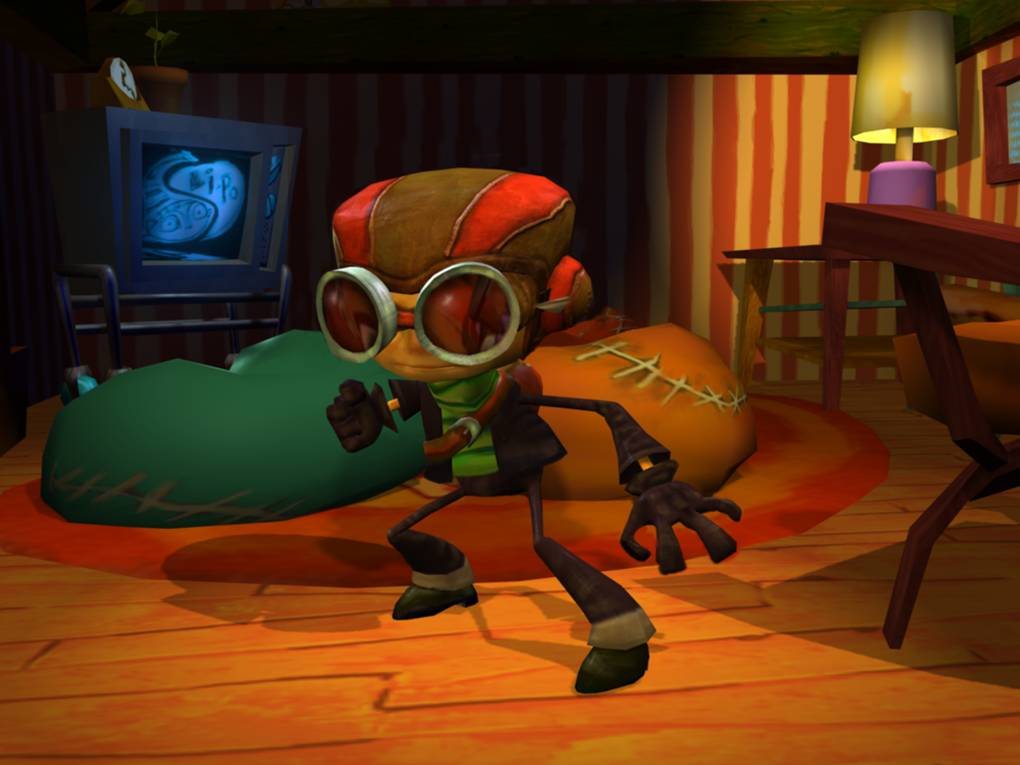
I was also involved in focus testing and the character redesign that followed, which turned the original hero, D'Artagnan Alsjeblieft (aka "Dart"), into Raz. During a focus test in San Francisco one participant asked, "Dude, what's with her hair?" and we knew Dart was a difficult read in game.
The redesign was shouldered principally by Scott Campbell and the talented artists at Double Fine. I was heavily involved in structuring the revised creative brief, advocated for a spy-like hero and encouraged the addition of his trademark goggles.
Just because I cared
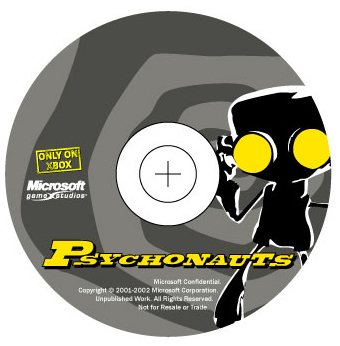
Lastly, I helped with marketing materials so the heavily burdened production team could stay focused on the important stuff. I even made a custom CD label for their E3 press kit, just because I cared ;^)
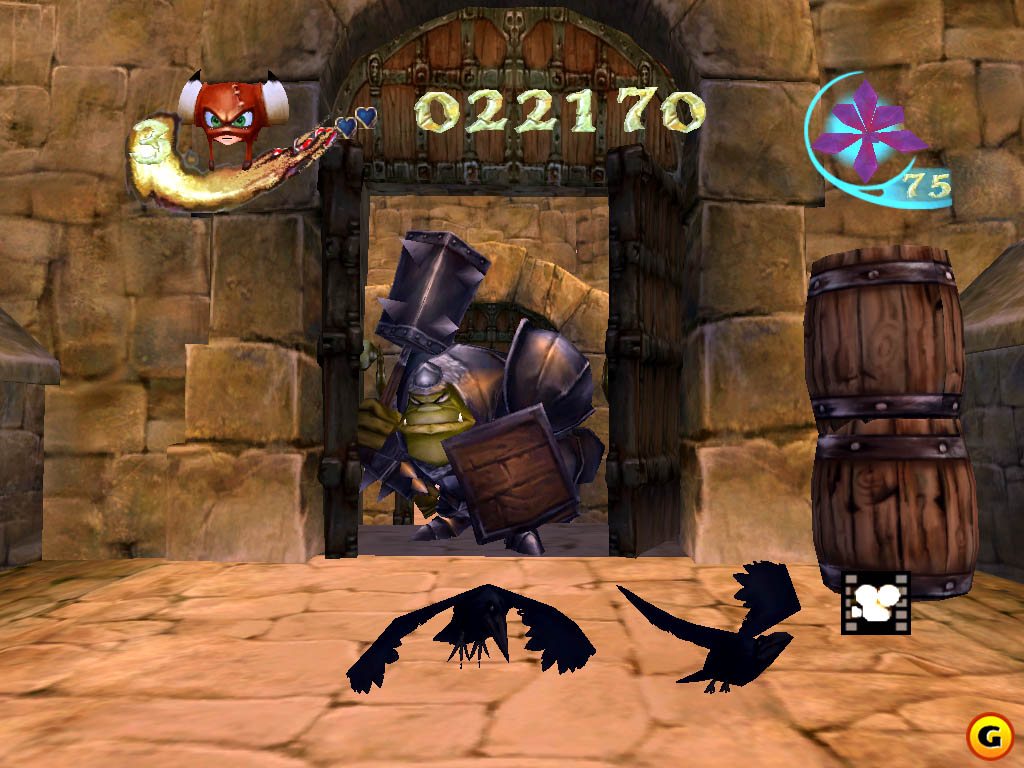
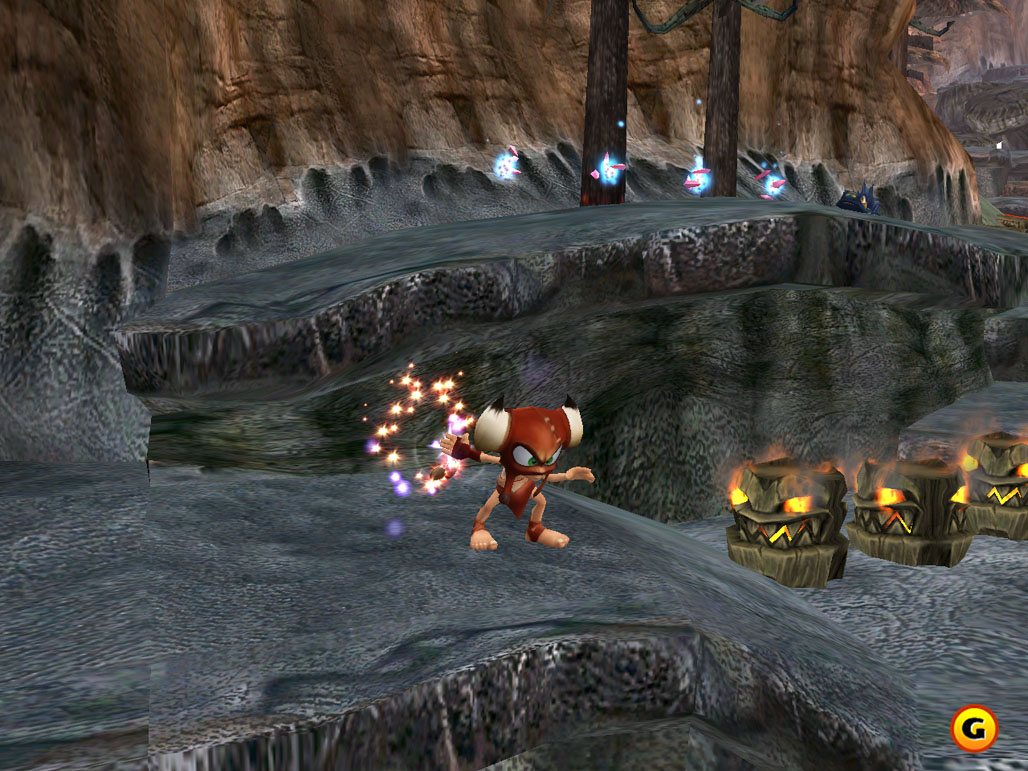
Tork
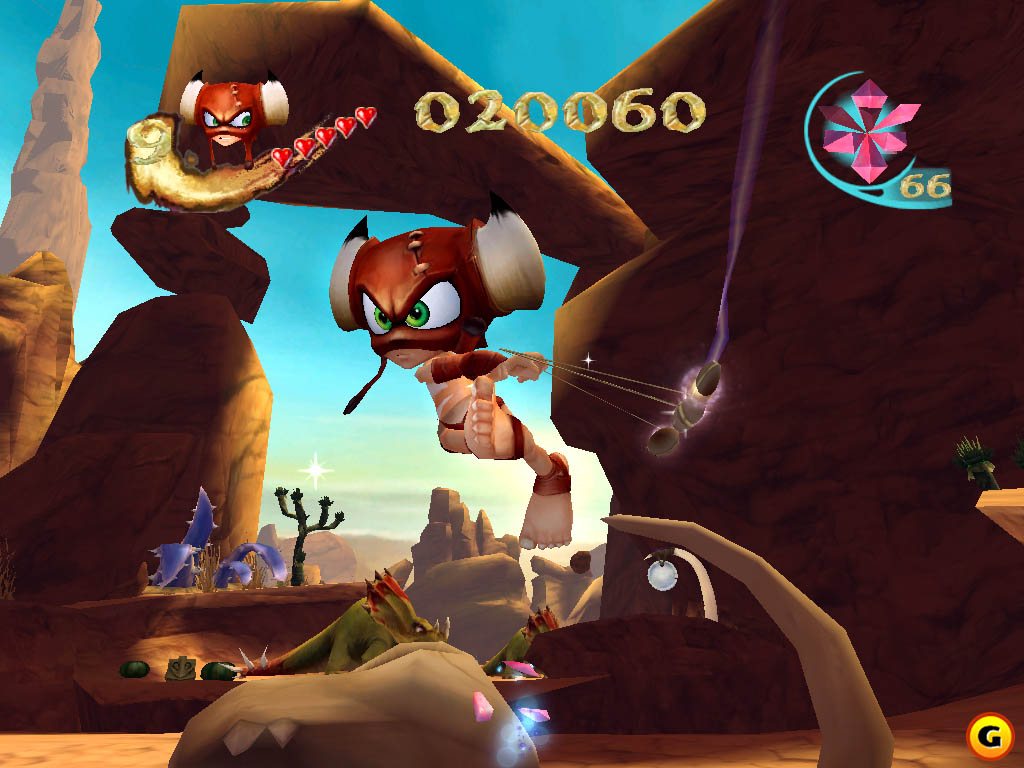
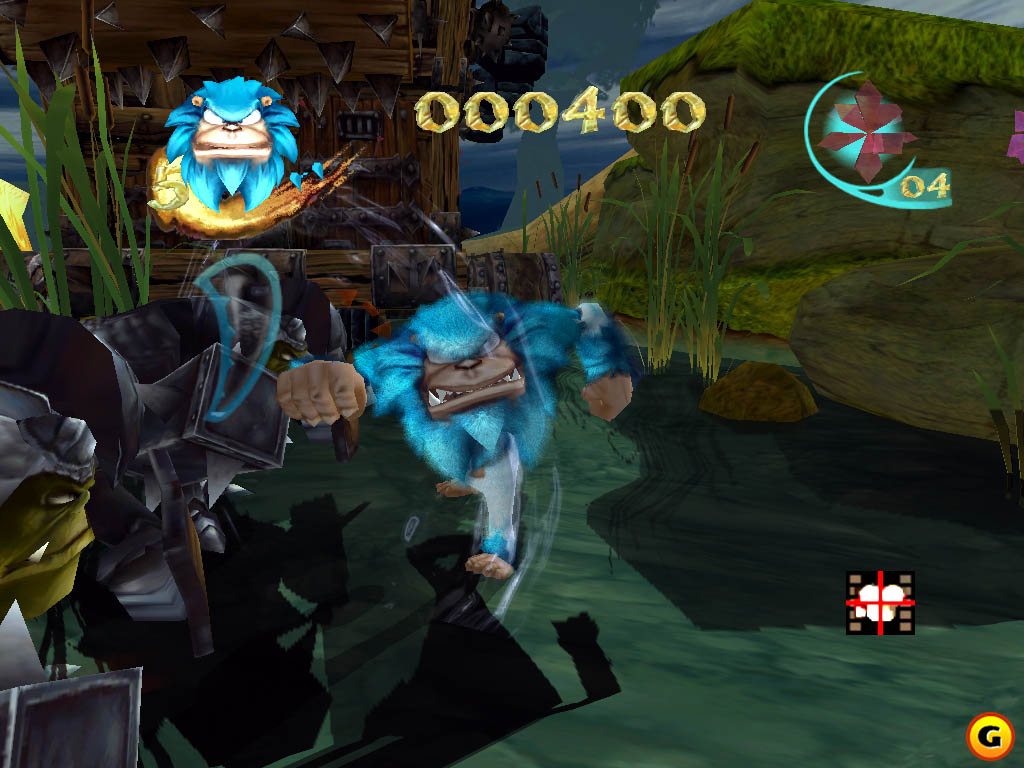
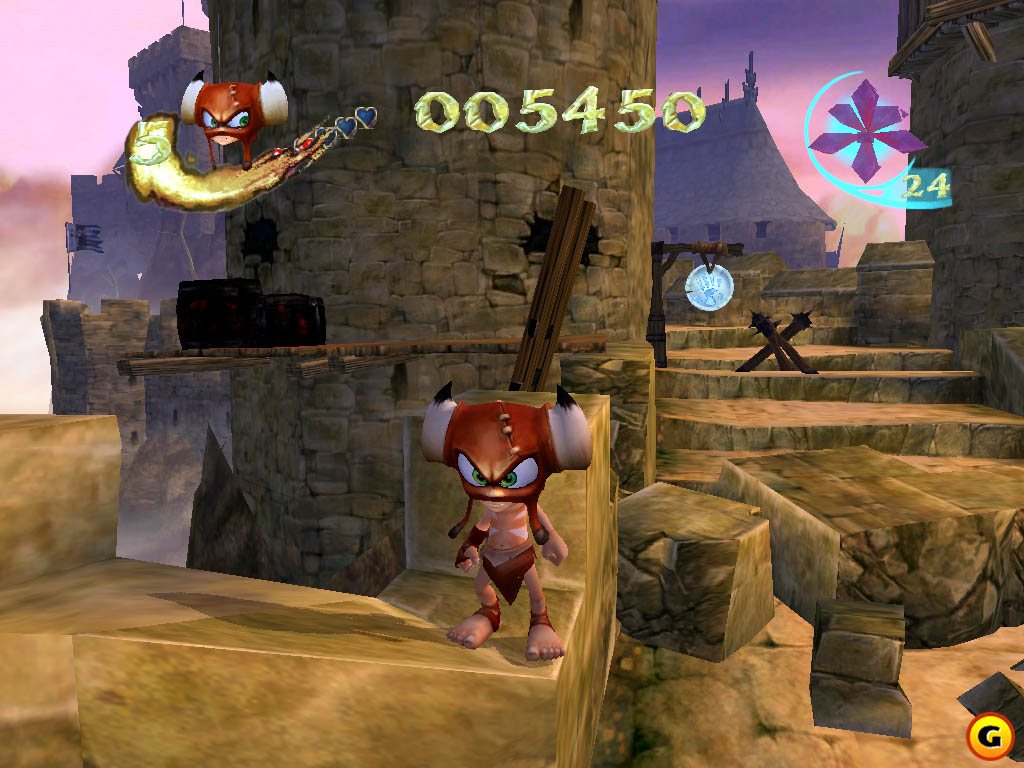
About 18 months helping Tiwak get a character platformer off the ground, split with Psychonauts and Mythica. I traveled back and forth to France, kept production on track, helped the art team focus on the right priorities and made screenshots and gameplay trailers for marketing. We signed it just as interest in character platformers began to collapse, and when the numbers stopped working, Microsoft let Tiwak take it to a new publisher, Ubisoft.
- Publishing
- Production
- Trailers
2003
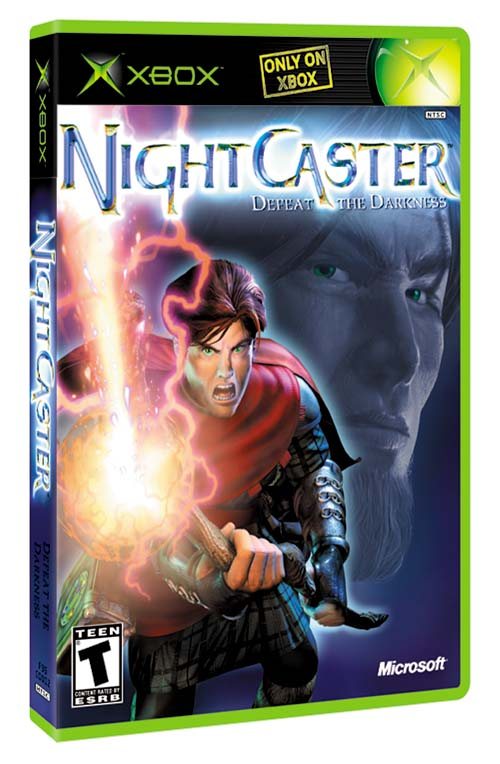
NightCaster
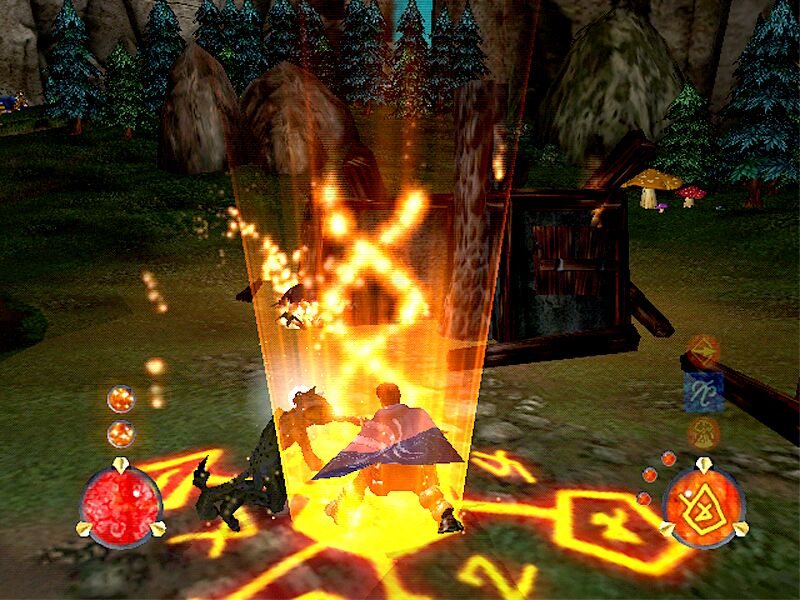
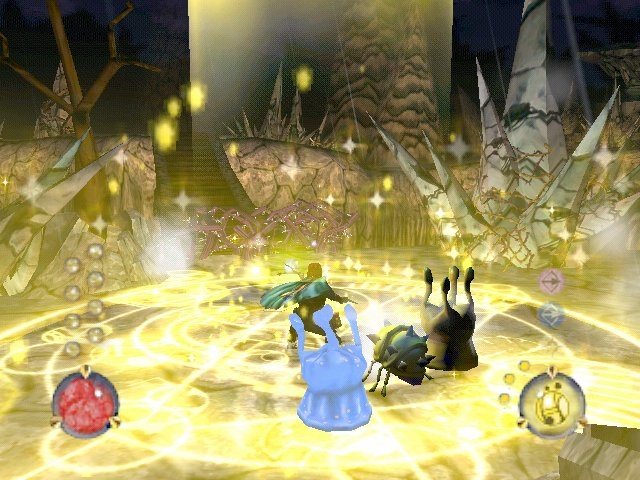
An Xbox launch title with an immovable date. I pushed for bold, dynamic spell effects and gave the hero, Arran, a head-to-toe makeover.
- Launch title
- Spell FX
- Character redesign
2002
Launch titles and new platforms
NightCaster was an Xbox launch title developed by VR1, a studio in Denver. As publishing art director, my job was to make sure they delivered quality artwork on time. Quality and timeliness pull against each other, and with the Xbox launch window immovable, we had to pick our battles very selectively.
The pressure to show off "the power of the Xbox" was intense, and I scrutinized every asset in the game. Most of my time went to pushing for bold, dynamic spell effects. I think we got good results there.
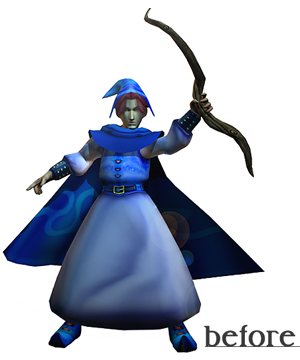
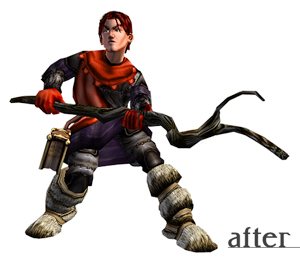
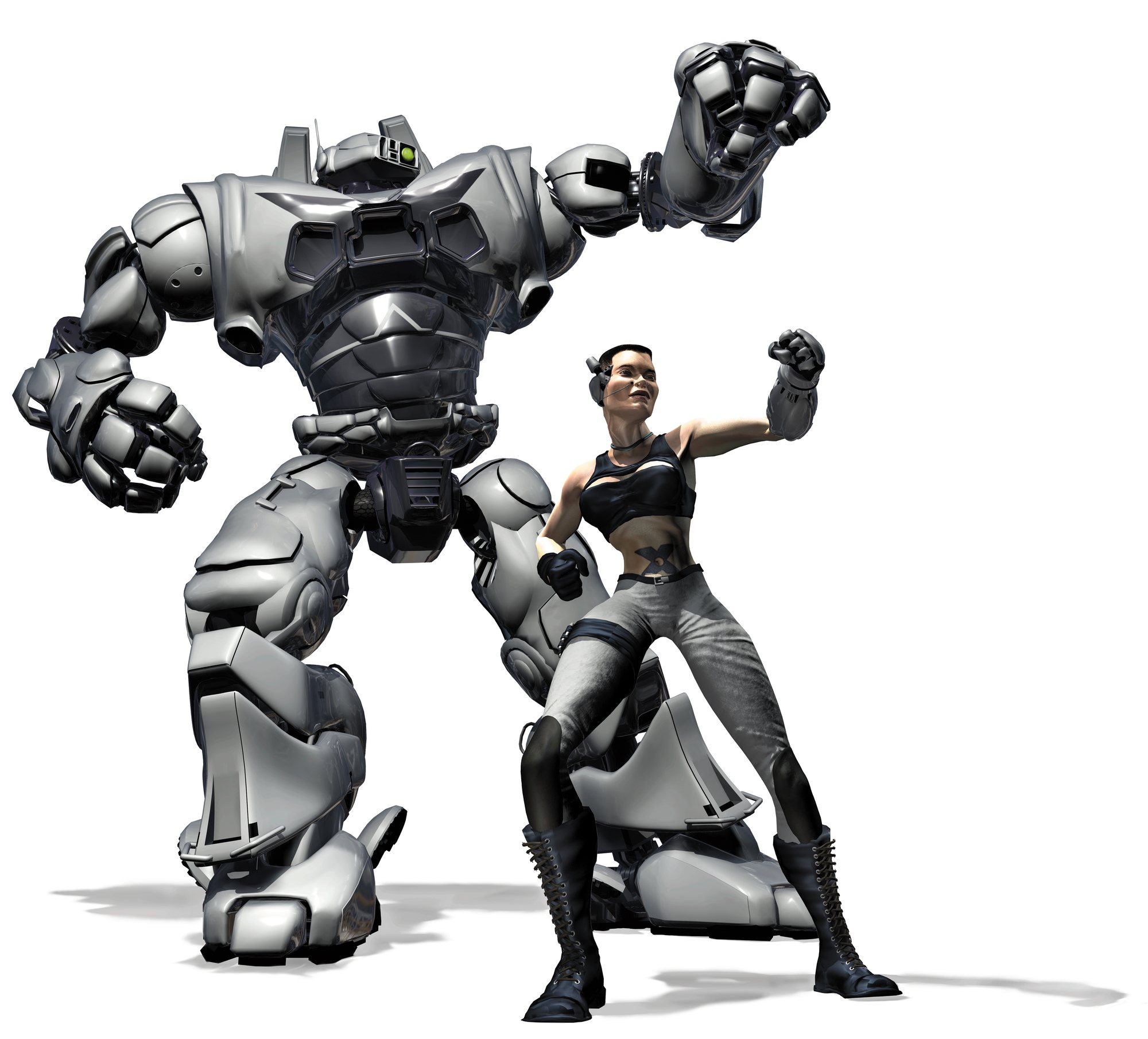
Arran's makeover
My most important quality win was pushing for a more interesting, iconic hero. Working closely with Steven Morrison (Art Lead) and Ray Lederer (Sr. Artist), I gave Arran a complete makeover from head to toe.
Raven & Rex
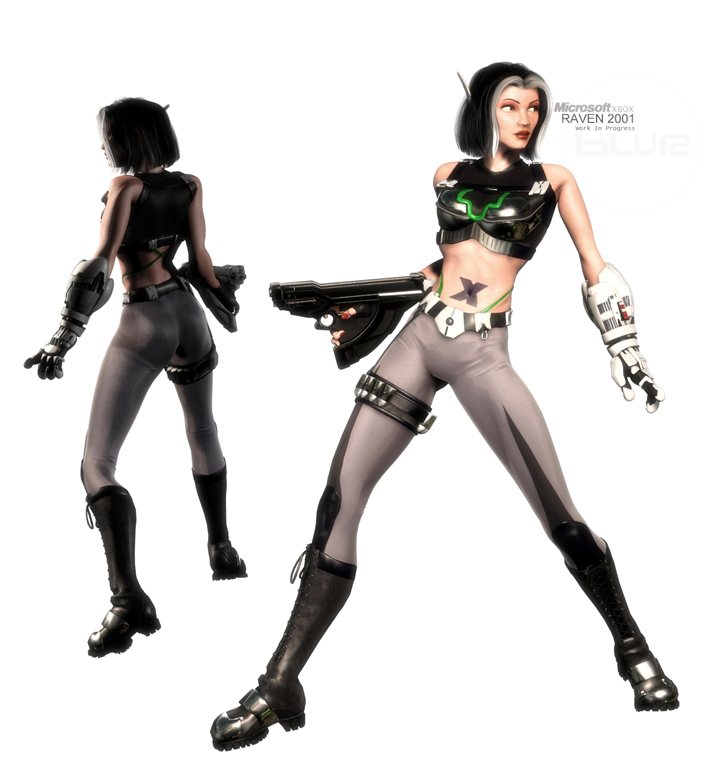
Turning a tomboy tech-demo heroine into a would-be Xbox spokesmodel, with four concept artists at Blur Studio. The project was mothballed, but the before and after tells the story.
- Character design
- Concept direction
- IP
2001
A before and after story
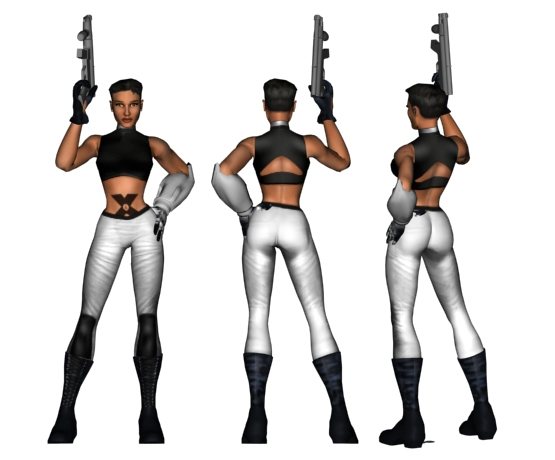
One of the first projects I received when I returned to Microsoft was building a game and IP around an Xbox tech demo called "Two to Tango." It starred a very butch girl named Raven and her pet robot, Rex.
Pipeworks, the developer, did a fine job translating Rex into real-time-friendly polygons, but Raven needed a makeover. The plan was to make her a spokesmodel for Xbox, and the tomboy girl-next-door with a machine pistol wasn't going to cut it.
Enter Blur
We contracted Blur Studio to re-envision Raven as a cute but capable action heroine. We worked with four concept artists on a variety of stylistic approaches, and after several revisions ended up with a nice result: several of her original identifying marks, with a look updated for our intended audience.
Unfortunately, the game never really got off the ground and the project was mothballed. So it goes.
Cavedog
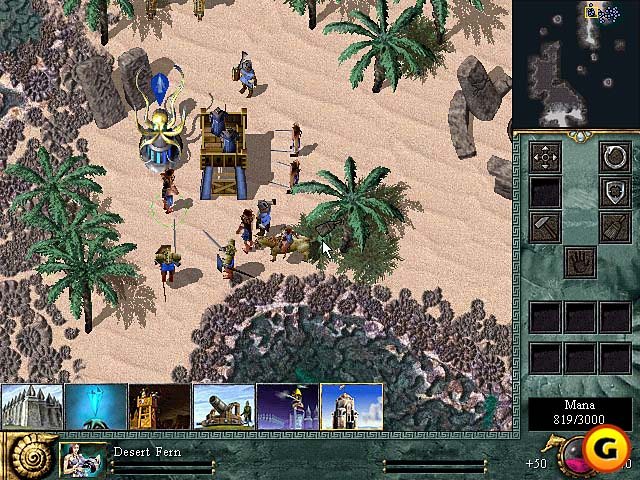
Taking Total Annihilation online: the Boneyards interface, the Darien Crusades metagame for Kingdoms, and multiplayer balance for Iron Plague.
- Interface
- Game design
- Online
1999
The constant state of change
Lured by the charisma of Scott Wallin and Ron Gilbert (creator of Maniac Mansion, Monkey Island and SCUMM), I left a fortune in Microsoft stock options to join the company that had just released Total Annihilation. The game was a critical success, the studio was growing, and the opportunity looked fantastic.
Hours after setting up my office I was deep in conversation with Ron about taking Total Annihilation and future Cavedog games online. I was so excited!
Boneyards
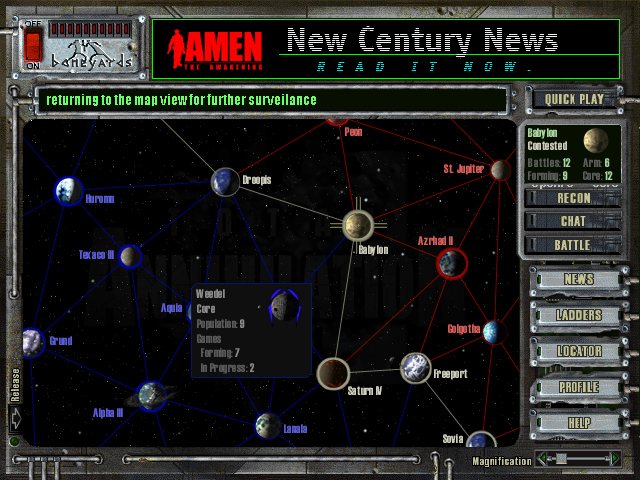
I slid right into a project called Boneyards and helped build an interface around the Galactic War expansion for Total Annihilation. With rookie artist and designer Brad Rebh, I designed the entire interface in a couple of weeks and built a Macromedia Director prototype in about a week. We weren't allowed rollovers, so the navigation may seem very quaint by today's standards.
The Darien Crusades
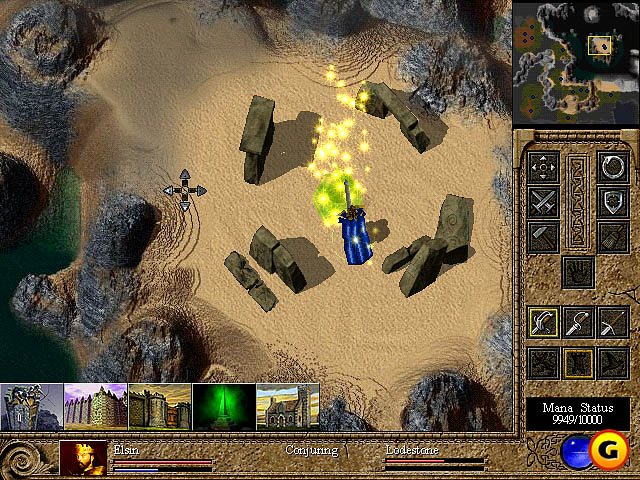
Next came TA: Kingdoms. I took a leadership role designing the Darien Crusades, the persistent metagame for Kingdoms. I sketched out high-level objectives and interface design, and worked closely with programmer David Satnik to refine the mechanics into an algorithm for contested spaces and escalating victory conditions. Moving from Galactic War's point-node map to something more like Risk was a challenge.
Boneyards' interface needs were substantial, so I took on more and more of the main game's interface to keep things consistent. I made a lot of gold buttons for that game.
Leveling the field
I also spearheaded rebalancing the game for multiplayer. The single-player balance worked very well for missions but was easily exploited in multiplayer. With two online-focused designers, JC Connors and Brandon Franklin, I worked through significant challenges to give the four sides an even playing field. That effort carried into the quickly released Iron Plague expansion.
And a few more
Other highlights: I wrote the gameplay pitch for a Harry Potter game, assembled a production team to build the Humongous Family Entertainment Network, managed the sysops for Boneyards and the Backyard Sports Network, designed the Boneyards website, gave the Cavedog site a facelift, helped build little Flash apps for the Amen: The Awakening site and, lastly, hold the dubious distinction of creating the last downloadable unit for Total Annihilation. Oh yeah! Pretty sweet, huh?
Flash Folio Y2K
A narrated tour of my work from 1994 to 1999, built in Flash at the turn of the millennium and playable again thanks to the Ruffle emulator.
- Interface
- Flash
- Online games
2000
Flash Folio Y2K
A high-level overview of my work from 1994 to 1999. It was meant to be narrated over, and it's a healthy mix of things I directed and things I created.
Click it to start. The audio is turned down. For a bigger view, open it full size in a new window.
I was on TV
Back when that was hard to do. Interviews and coverage from the Agency years.